Volkswagen Group Rejects Rumours of Auto Union Rebrand
Speculation that Volkswagen Group would revive the Auto Union name was dismissed by the company, following reports suggesting a global corporate rebranding was under consideration.
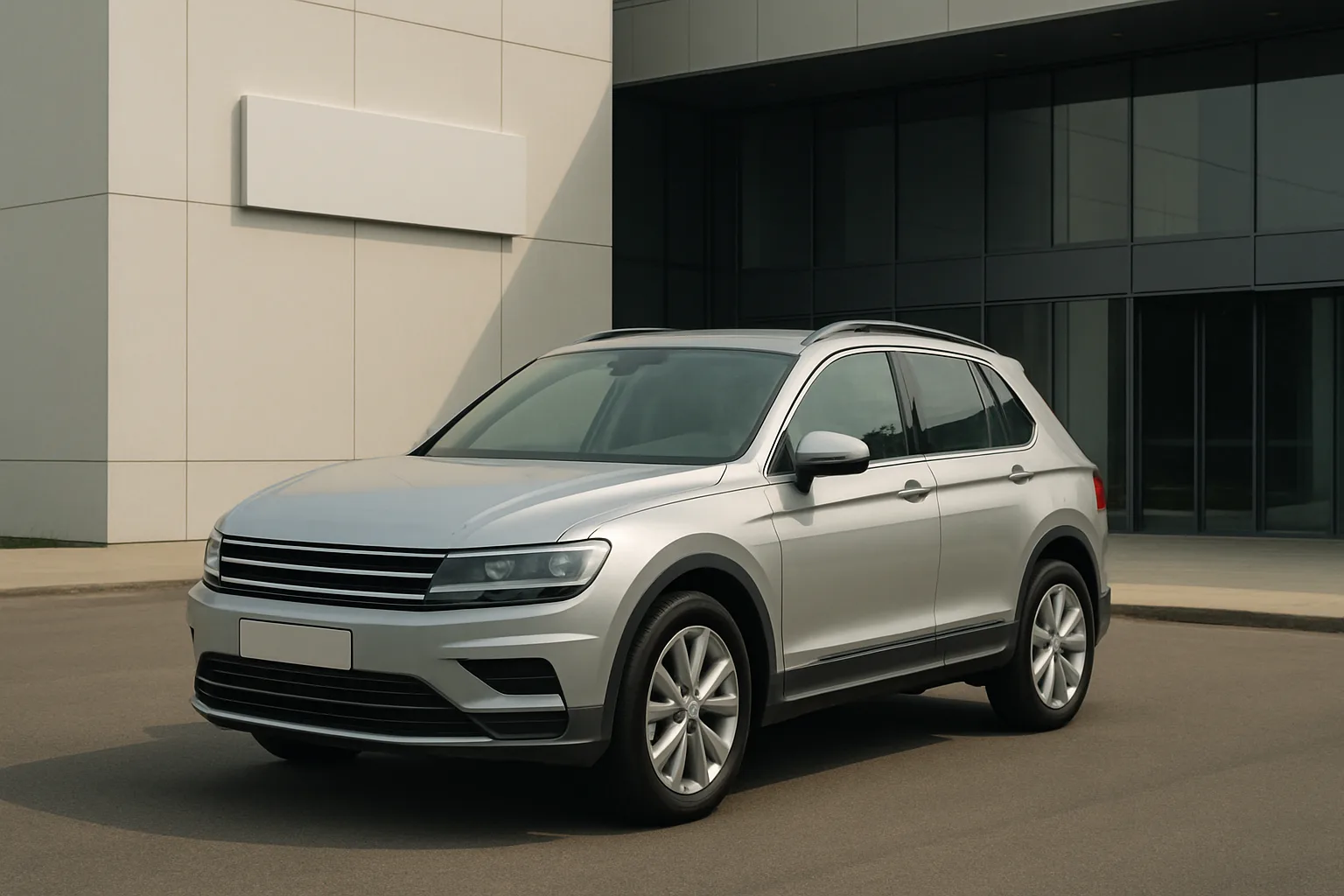
Volkswagen Group, one of the world’s largest automotive conglomerates, has faced periodic speculation about changing its corporate identity. In July 2014, reports circulated in Australian and European media suggesting that Volkswagen AG might be considering a global rebrand to "Auto Union." The speculation drew attention due to the historical resonance of the Auto Union name, which dates back to a 1932 merger of four German carmakers: Audi, DKW, Horch, and Wanderer. The four-ringed logo now used by Audi originates from this period.
Background: Volkswagen Group and the Auto Union Name
Volkswagen acquired the rights to the Auto Union name and its Ingolstadt factory in the 1960s. This acquisition led to the revival of the Audi brand as Volkswagen’s premium marque. Today, Volkswagen Group controls a broad portfolio of brands, including Audi, Porsche, Bentley, Lamborghini, Bugatti, SEAT, Škoda, Ducati, Scania, MAN, and Volkswagen-branded operations. This diverse brand structure has sometimes led to confusion between the Volkswagen car brand and the overarching group, which partly fuelled the rebranding speculation.
Origins of the Rebranding Rumour
The rumour that Volkswagen Group might rebrand as Auto Union first appeared in July 2014, reported by Australian automotive site GoAuto and subsequently picked up by outlets such as AUSmotive and GTspirit. According to these reports, the suggested rationale for a name change was to clarify the distinction between the Volkswagen car brand and the parent group, much as Daimler AG sits above Mercedes-Benz. The theory was that adopting a neutral umbrella name, such as Auto Union, could reduce confusion and better reflect the group’s multi-brand reality.
Similar speculation had emerged in 2004 and 2009, but the company took no action on those occasions. Each time, the recurring theme was the potential benefit of a corporate identity that reflected the group’s entire portfolio rather than being tied to a single marque.
Volkswagen Group’s Official Response
Volkswagen Group responded swiftly to the 2014 rumours. The company issued a clear statement to Dutch magazine Auto Visie, confirming that it had no plans to change its corporate name. The official position was unambiguous: the name Volkswagen Group would remain unchanged. This direct response was intended to put an end to speculation and reassure stakeholders that the group’s structure and branding would not be altered.
The company’s prompt and clear denial was consistent with its responses to similar rumours in previous years. Despite repeated speculation, Volkswagen Group has maintained its established brand structure, continuing to operate as the umbrella organisation for its extensive automotive interests.
Historical and Cultural Considerations
The prospect of reviving the Auto Union name carries both historical weight and potential controversy. While the name is associated with technical innovation and the origins of Audi, it is also linked to a period in German history marked by the rise of the Nazi regime and the use of forced labour during the Second World War. Some industry observers have noted that these associations could complicate any attempt to reintroduce the Auto Union name on a global scale.
The historical baggage attached to the Auto Union name, combined with the significant costs and logistical challenges of a global corporate rebrand, has led many analysts to view the idea with scepticism. The continued use of the Volkswagen Group name avoids these complications and preserves continuity for the company’s worldwide operations.
Context: Volkswagen’s Corporate Strategy in 2014
The 2014 rumours emerged at a time when Volkswagen Group was pursuing ambitious global expansion targets under then-CEO Martin Winterkorn. The company was aiming to rival Toyota and General Motors for global sales leadership, and was in the midst of significant investments in new markets and technologies. Against this backdrop, a major rebranding exercise would have represented a substantial distraction and risk, further reinforcing the group’s decision to retain its established identity.
Industry observers generally agreed that the scale, cost, and potential historical baggage made a rebrand unlikely. Volkswagen Group’s decision to maintain its name reflected both practical considerations and a desire to avoid unnecessary controversy.
Summary of Volkswagen Group’s Brand Portfolio
| Brand | Type |
|---|---|
| Volkswagen | Passenger Cars |
| Audi | Passenger Cars |
| Porsche | Passenger Cars |
| Bentley | Luxury Cars |
| Lamborghini | Supercars |
| Bugatti | Supercars |
| SEAT | Passenger Cars |
| Škoda | Passenger Cars |
| Ducati | Motorcycles |
| Scania | Commercial Vehicles |
| MAN | Commercial Vehicles |
Conclusion
Although the idea of a Volkswagen Group rebrand to Auto Union attracted attention in 2014, the company quickly and firmly dismissed the speculation. The historical significance and potential complications associated with the Auto Union name, combined with the practical challenges of a global rebrand, make such a move unlikely. Volkswagen Group continues to operate under its established name, overseeing a diverse portfolio of automotive brands.
For further reading on Volkswagen’s approach to branding and corporate identity, see coverage of the company’s decision to drop the “Das Auto” slogan as part of an image overhaul.