Volkswagen claims new EV could undercut Golf on price
VW says its next-generation electric car, built on the MEB platform, could be priced below a comparable Golf if group-wide scale is achieved.
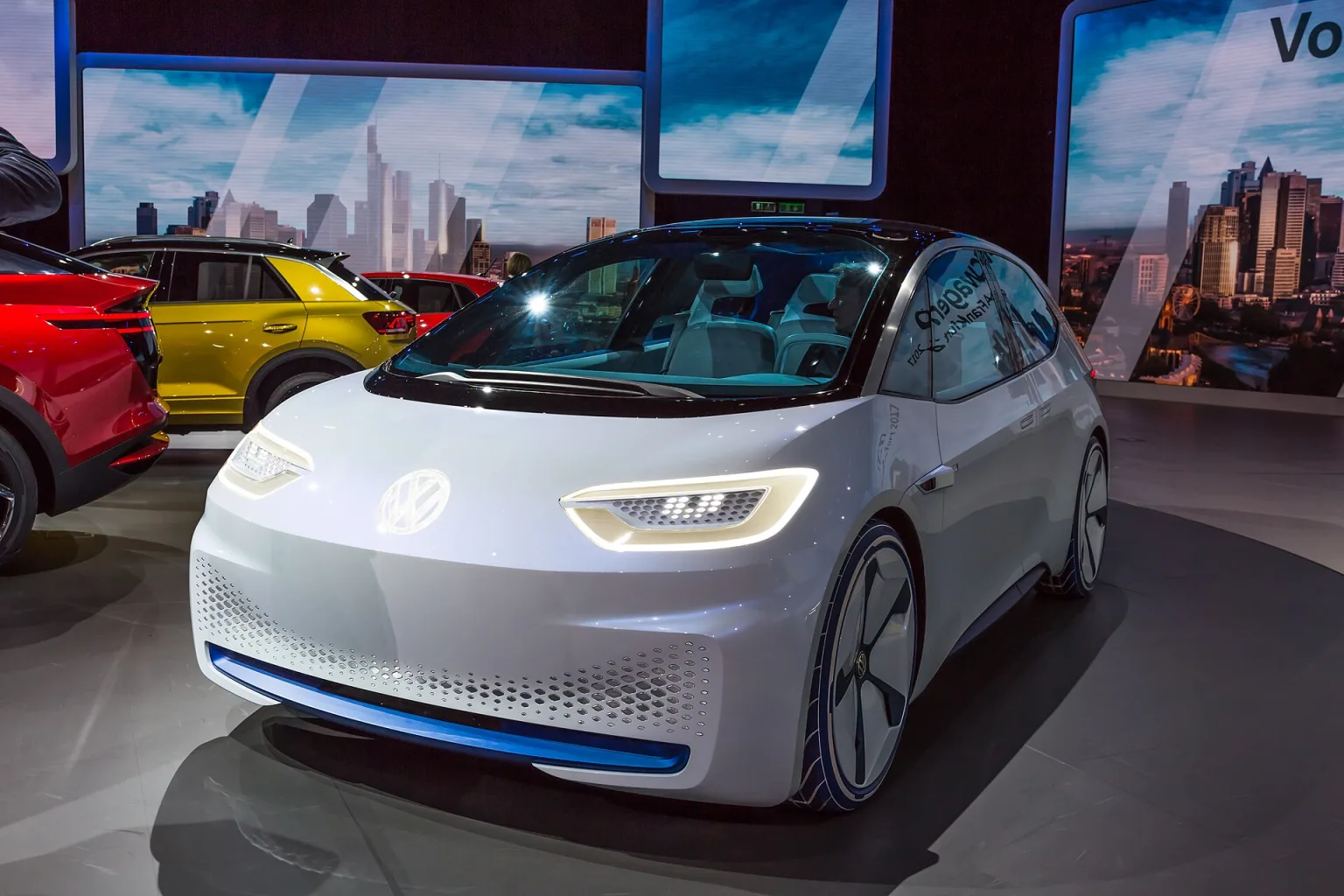
Volkswagen now claims it can produce and sell an electric vehicle for less than the price of a comparable Golf, provided it achieves sufficient scale across its group brands. The assertion marks a shift in the company’s public stance on electric vehicle affordability and comes as VW accelerates its electrification plans following the diesel emissions scandal.
MEB platform central to cost reduction
Central to Volkswagen’s claim is the new MEB (Modularer E-Antriebs-Baukasten) platform, which will underpin a wide range of electric vehicles across the group. By sharing components and production processes not only within Volkswagen but also with brands like Audi, SEAT and Skoda, the company believes it can drive down costs enough to make an electric car cheaper than a petrol-powered Golf. Achieving this depends on reaching high production volumes and spreading development costs across multiple models and brands.
The company’s plan calls for around 20 plug-in and electric models to be launched by 2020, all using the MEB architecture. This scale, Volkswagen argues, is essential to closing and even reversing the price gap between electric and internal combustion models. The business case, according to insiders, only works if the group can achieve this level of volume and component sharing.
Range and charging ambitions
Volkswagen’s chief executive at the time, Matthias Müller, outlined ambitions for a family-sized electric car with a range of up to 310 miles (500 km) on a single charge. Müller also claimed that a full recharge could be achieved in as little as 15 minutes, though this target is more aspirational than imminent given current battery and charging technology. Such claims indicate VW’s desire to match or exceed the capabilities of rivals like Tesla, at least on paper.
Implications for buyers and the market
If Volkswagen delivers on its claim, buyers could see a new generation of electric vehicles priced below mainstream petrol hatchbacks, potentially removing one of the main barriers to EV adoption. The company’s strategy also signals a push to rebuild its reputation with a focus on clean mobility after the diesel emissions crisis. The feasibility of a 15-minute full recharge and a 310-mile range will depend on advances in battery and charging infrastructure, but the pricing claim alone sets a new benchmark for mass-market EV ambitions.
For more on Volkswagen’s efforts to deliver affordable electric vehicles, seeVolkswagen targets world’s cheapest electric vehicle.