Rolls-Royce Wraith: Power, Presence and the Grand Touring Experience
The Rolls-Royce Wraith combines a twin-turbo V12 with advanced technology and unmistakable luxury, redefining the brand’s approach to grand touring coupes.
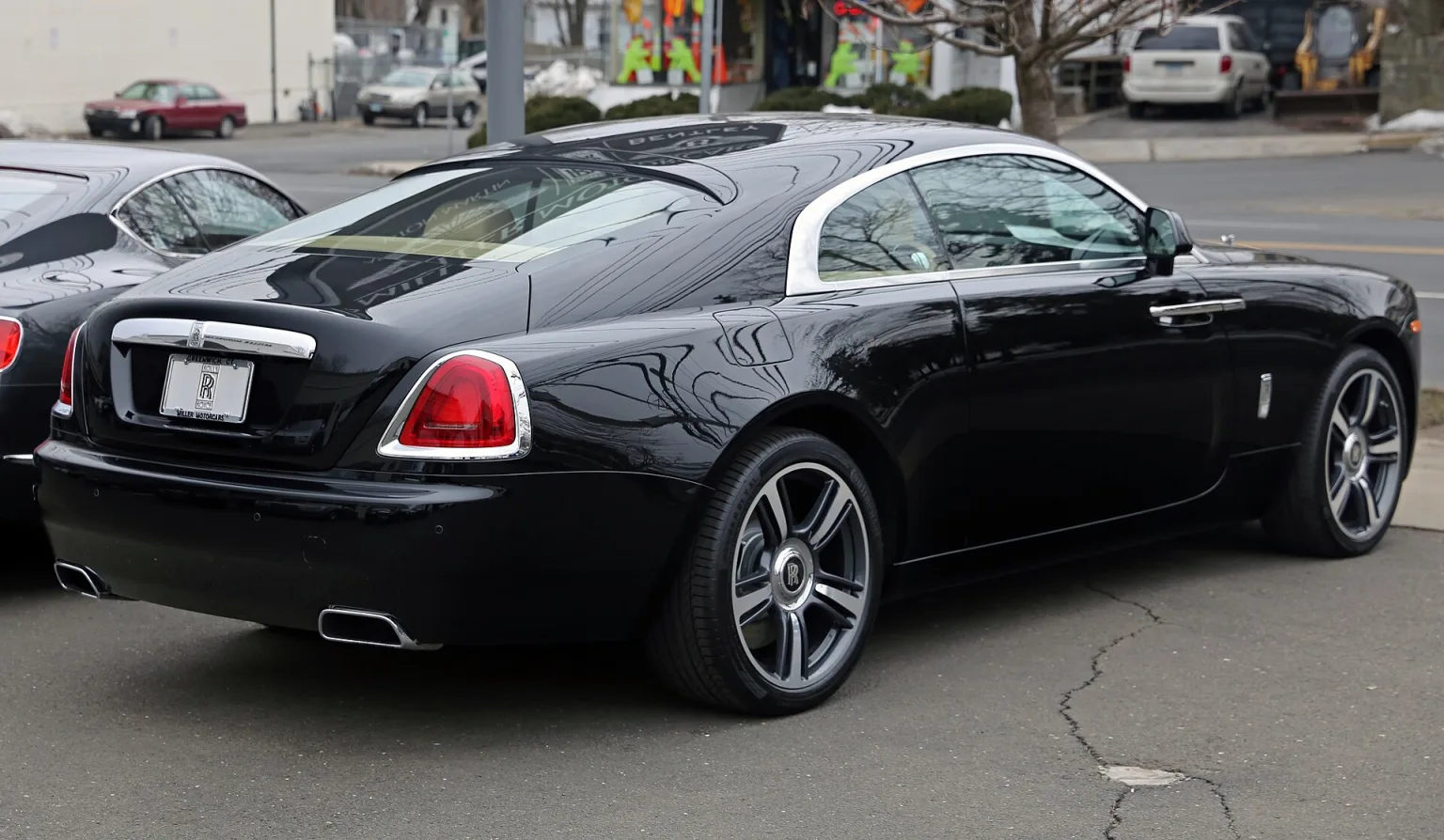
Rolls-Royce’s Wraith arrived with a clear intent: to offer the most powerful and dynamic car in the company’s history without compromising the comfort and presence that define the marque. Launched in 2013 as a coupe sibling to the Ghost, the Wraith set out to attract those who want to drive themselves rather than be driven.
The Wraith’s 6.6-litre V12 delivers 624bhp and 800Nm of torque, making it the most potent Rolls-Royce production car of its time. Despite its 2360kg kerb weight and imposing 5.3-metre length, the Wraith accelerates from 0 to 62mph in a claimed 4.6 seconds, putting it in the same performance territory as many sports cars. This power is managed through an eight-speed automatic transmission that uses satellite navigation data to anticipate gear changes for corners and gradients, a feature Rolls-Royce calls Satellite Aided Transmission.
Driving experience and refinement
On the road, the Wraith remains faithful to Rolls-Royce tradition with a ride quality that isolates occupants from rough surfaces. The air suspension continuously adjusts damping to maintain composure and comfort, even when the car is pushed harder than its size might suggest. While not intended as a sports car, the Wraith’s chassis and steering provide a level of assurance and directness uncommon in cars of this scale. Body roll is present but well controlled, and the car’s mass is always apparent, but the V12’s effortless torque masks the weight when overtaking or joining a motorway.
Noise insulation is exceptional. The engine remains discreet at low speeds, only making itself heard when provoked. Even at high speeds, wind and road noise are kept at bay, reinforcing the sense of isolation that is central to the Rolls-Royce experience.
Design, interior and technology
The Wraith’s styling draws heavily on the Ghost up to the A-pillar, but the coupe roofline, frameless coach doors and forward-leaning Spirit of Ecstasy give it a distinct character. The absence of a B-pillar and the long, flowing lines emphasise the car’s grand touring intent. Inside, the Wraith is finished to the highest standards, with extensive use of leather, wood and metal. The optional Starlight headliner, featuring hundreds of fibre-optic lights, adds a bespoke touch for those prepared to pay a premium.
Technology is adapted from parent company BMW, but Rolls-Royce’s approach is to simplify the user interface and maintain a sense of occasion. The infotainment and driver assistance features are comprehensive, though presented in a manner that avoids overwhelming the driver with controls or displays. Rear-seat space is generous for a coupe, and the seats themselves are large and supportive, maintaining comfort for all occupants on long journeys.
Grand touring credentials and ownership
The Wraith’s blend of power, refinement and long-distance comfort positions it as a true grand tourer. Fuel economy is predictably modest, with real-world figures in the region of 11 to 13 litres per 100km at motorway speeds, but running costs are secondary considerations for most buyers in this segment. The car’s exclusivity and bespoke options, including the ability to specify unique paint and interior details, appeal to those seeking individuality as much as performance.
Demand for the Wraith was strong from launch, with waiting lists reported in the months following its release. The car also attracted attention from high-profile buyers and tuners, further raising its profile among luxury coupes. For more on the Wraith’s early demand, seeRolls Royce Wraith Has a 7 Month Waiting List.