Samsung SDI to Supply Batteries for Tesla Model 3
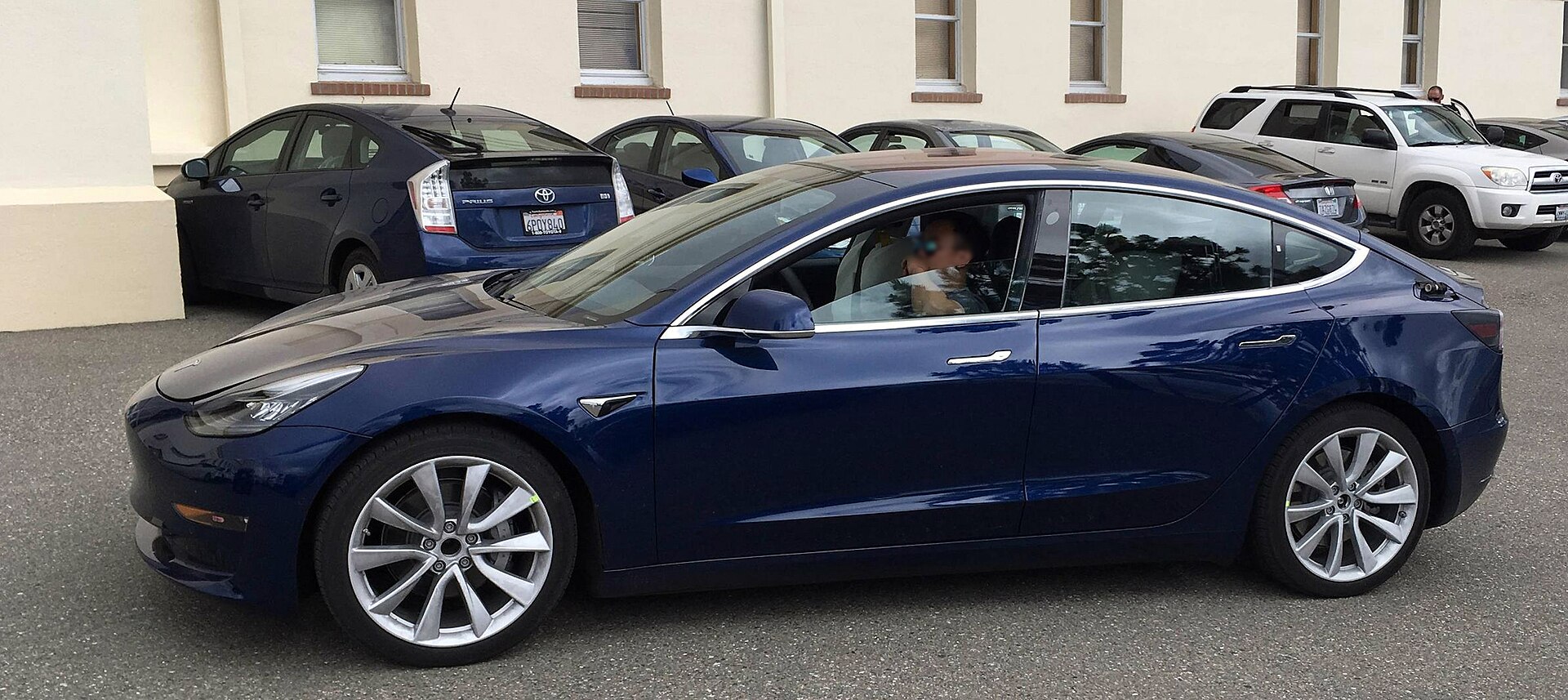
Samsung SDI has begun supplying battery cells to Tesla for Model 3 testing, as Tesla seeks additional suppliers to meet production targets for its most affordable electric car.
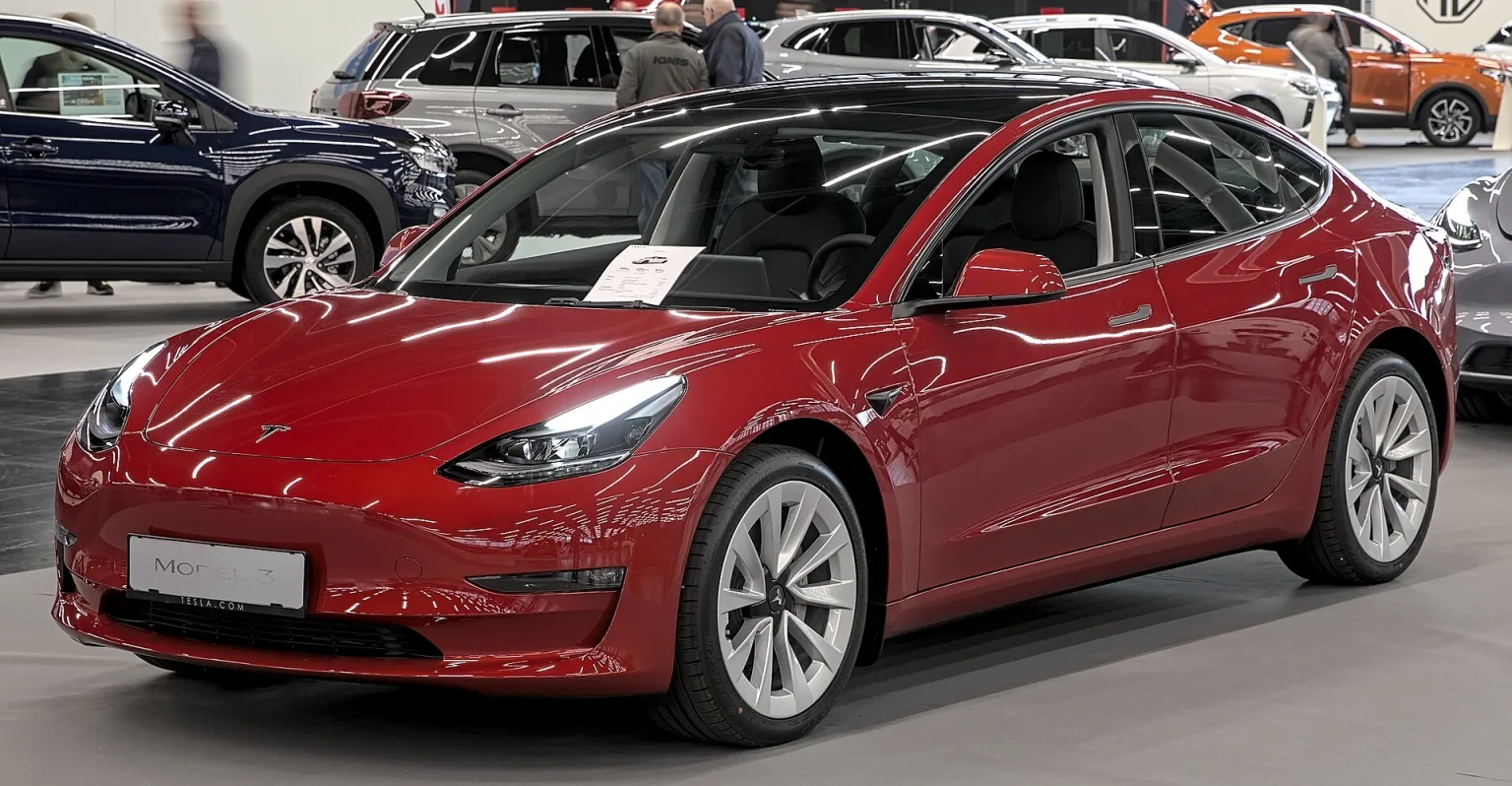
Samsung SDI has begun shipping lithium-ion battery cells to Tesla for testing in the upcoming Model 3, according to reports from Nikkei and Reuters in June 2016. The move comes as Tesla looks to secure additional battery supply beyond its main partner Panasonic, in order to support ambitious production plans for its first mass-market electric vehicle.
Tesla's Model 3 has drawn over 370,000 reservations, prompting the company to accelerate its target of building 500,000 vehicles annually by 2018, two years earlier than originally planned. While Panasonic remains the lead supplier for Tesla's battery packs and is heavily involved in the Nevada Gigafactory, the scale of Model 3 demand has led Tesla to seek further sources. Samsung SDI's cells have reportedly arrived at Tesla for full evaluation, though neither company has confirmed a formal long-term supply agreement at this stage.
Why Tesla needs more battery suppliers
The Model 3 is Tesla's entry into the affordable electric car market, with a starting price around $35,000. To meet both the price point and the production scale, Tesla requires a steady and substantial flow of battery cells. Panasonic has committed to joint investment in the Gigafactory, but the sheer volume required for Model 3 and Tesla's stationary energy storage products has forced the company to consider alternative suppliers. Samsung SDI, already active in the automotive battery sector, is a logical candidate.
- Samsung SDI: supplying test cells for Model 3, potential for further supply if tests are successful.
- Panasonic: main Gigafactory partner, primary supplier for Model S and Model X.
- LG Chem: not involved with Tesla, but a major supplier for other EV makers.
Implications for Samsung SDI and the battery sector
A deal with Tesla would mark a major step for Samsung SDI, which has previously supplied batteries to automakers including BMW and Audi. Entering Tesla's supply chain would not only boost Samsung's automotive battery business but could also strengthen its position in the growing market for stationary energy storage systems, an area where Tesla is expanding rapidly alongside its automotive ambitions.