Nissan Halts Next-Generation GT-R Amid Uncertainty
Nissan has shelved plans for the R36 GT-R, citing financial pressures, leadership changes and doubts over the business case for a new supercar.
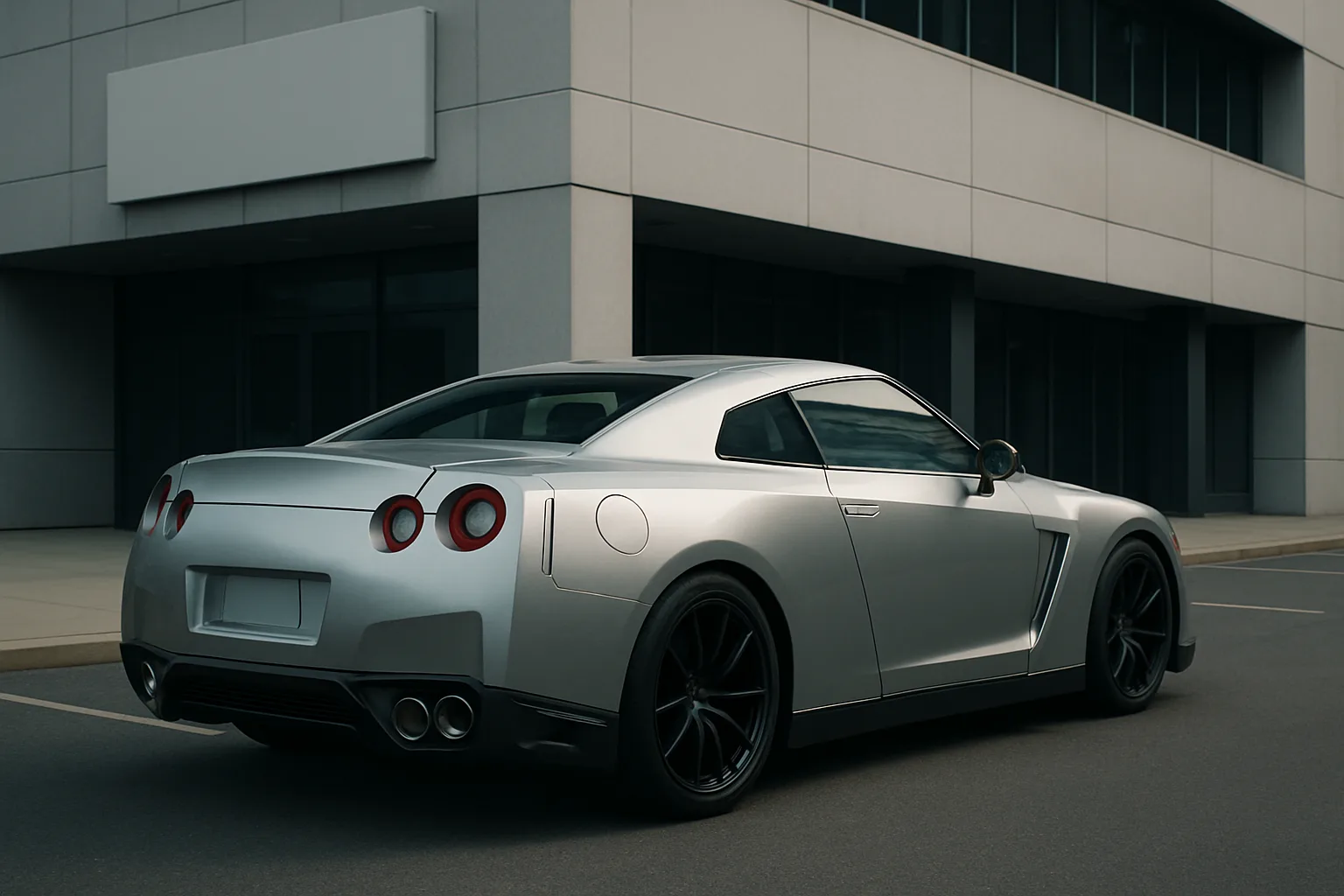
Nissan has halted development of the next-generation GT-R, with no approval given for the R36 project. Sources close to the company say CEO Carlos Ghosn has not authorised design or engineering work on a successor to the R35, which launched in 2007 and has since become one of the most recognisable Japanese supercars.
The move comes as Nissan faces financial challenges, partly linked to Renault's reported 37 percent drop in first-half profit. The company is also dealing with the retirement of Kazutoshi Mizuno, the chief engineer who led development of the R35. Finding a replacement with the same vision and expertise has proved difficult, leaving the GT-R project without a clear technical leader.
Sales of the current GT-R have not met expectations, making it harder for Nissan to justify investment in a new generation. The GT-R has always been a halo car, drawing attention to the brand rather than generating large profits. With the market for high-performance coupés under pressure and corporate resources stretched, the business case for the R36 has failed to convince Nissan’s top management.
No green light for R36 development
Speculation about the R36 had pointed to a possible launch in 2014, but insiders now say the project is effectively on hold indefinitely. Nissan has not officially confirmed the cancellation, but when pressed, the company declined to comment on future product plans for the GT-R. Without a decision from the executive board, suppliers and engineers remain in limbo.
To keep the R35 competitive, Nissan is planning a facelift for the 2013 model year. This update is intended to extend the car’s life while the company reassesses its supercar strategy. The 2013 GT-R remains a formidable performer, with a 0-60mph time of 2.7 seconds and a top speed estimated at 200mph. Pricing starts at $96,820 for the Premium model in the United States.
Uncertain future for Nissan's halo car
The lack of a clear successor leaves Nissan without a flagship performance model in development. The decision reflects wider industry trends, as manufacturers weigh the costs of low-volume sports cars against the need to invest in mainstream and alternative powertrain models. For now, the R35 will continue with incremental updates, but the prospect of a new GT-R is off the table unless Nissan’s financial position improves or the business case changes.
For more on next-generation Japanese performance models, seeNext-gen Nissan Qashqai leak reveals 2014 launch, new turbo engine