Scania breaks ground on Narasapura plant for trucks and buses
Scania has begun construction of a new manufacturing facility near Bangalore, aiming to produce trucks and buses for the Indian market from 2013.
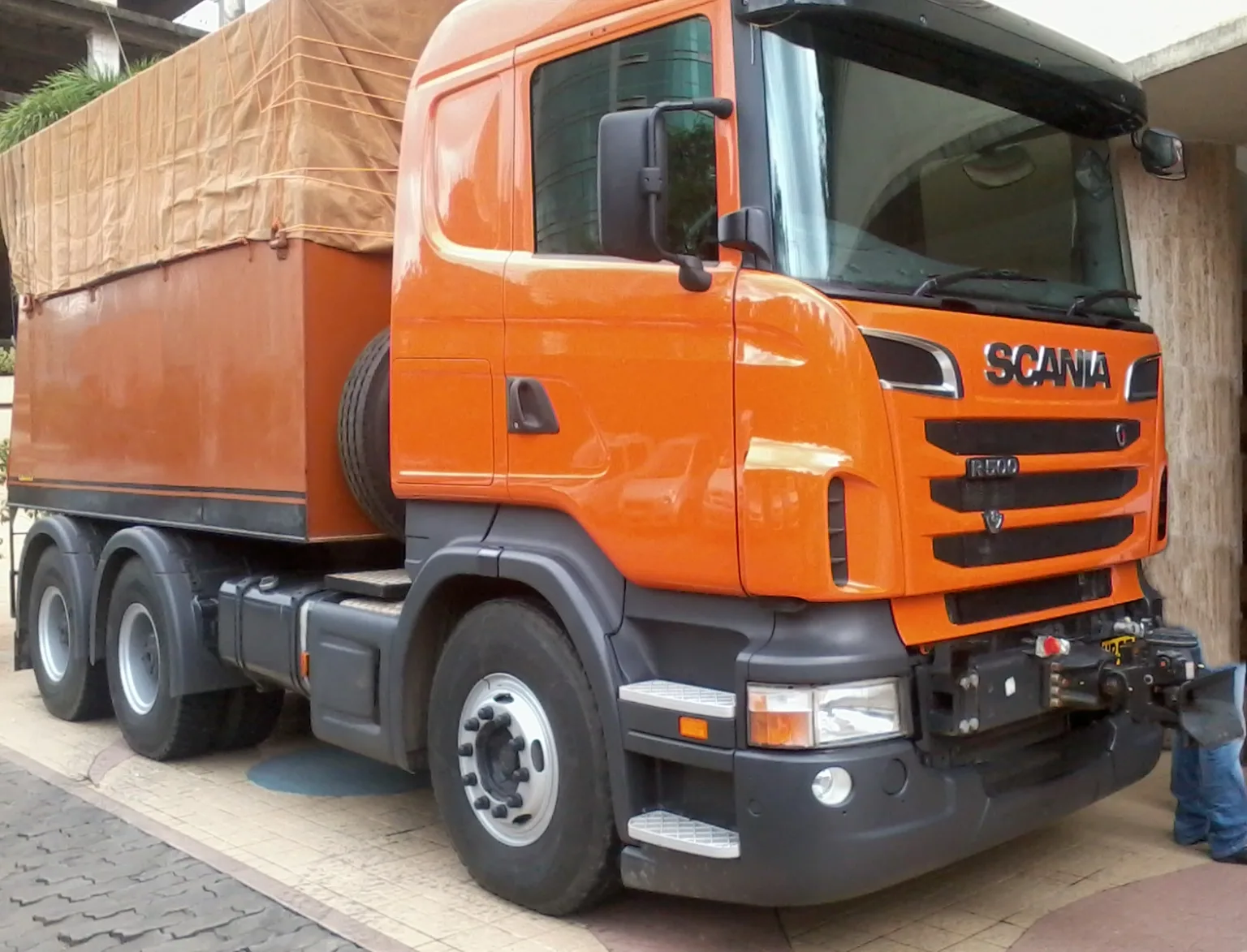
Scania has officially begun construction of its new manufacturing facility in Narasapura, near Bangalore, with the foundation stone laid on 27 July 2012. This marks a significant step for Scania as it expands its presence in India, targeting the growing demand for commercial vehicles in the region. The site is situated approximately 20 kilometres from Hosakote, strategically located to serve the Indian market.
Scania's Investment in Narasapura: Foundation Stone Laid
Facility Details and Investment
The Narasapura plant represents a major investment for Scania, with an initial outlay of INR 2.5 billion, equivalent to about SEK 322 million. The facility will cover an area of 140,000 square metres, providing ample space for the assembly of trucks and buses. Production is scheduled to commence in 2013, with the plant designed to handle completely knocked-down (CKD) assembly for both bus and truck chassis. This approach allows Scania to import vehicle kits and assemble them locally, a method that can reduce costs and adapt products to local needs.
| Aspect | Detail |
|---|---|
| Location | Narasapura, near Bangalore, India |
| Distance from Hosakote | 20 km |
| Plant Area | 140,000 m² |
| Investment | INR 2.5 billion (SEK 322 million) |
| Production Start | 2013 (expected) |
| Assembly Type | Completely knocked-down (CKD) units |
| Products | Trucks, intercity buses, city buses |
| Bodybuilding Facility | Yes |
| Employment Target | 800 jobs over five years |
Production Plans and Employment Targets
- Annual production target: 2,000 heavy trucks and 1,000 intercity buses and coaches within five years.
- The plant will offer bodybuilding for city buses and coaches, allowing customisation for Indian conditions.
- Scania plans to hire approximately 800 employees over five years, supporting local job creation.
The facility’s design enables Scania to customise vehicles for Indian operating conditions and regulatory requirements, which is essential for success in the local market.
Ground-Breaking Ceremony and Leadership
The ground-breaking ceremony was attended by several senior executives from Scania Commercial Vehicles India. Henrik Fagrenius, Managing Director, laid the foundation stone, joined by Sivakumar Viswam (Director Sales), Suresh Ekambaram (Director After Sales), and Stefan Wiklund (Director Finance). Their presence at the event highlighted the importance of the Narasapura facility in Scania’s regional strategy.
Localisation and Market Strategy
By establishing a dedicated facility for both assembly and bodybuilding, Scania is positioning itself to respond more rapidly to local demand and specification changes. The focus on local assembly reflects the company’s intention to adapt its products to Indian operating conditions, which can differ significantly from those in Europe or other markets. Local production is also expected to reduce lead times for customers and improve aftersales support, both of which are important factors for commercial vehicle operators in India.
Context: Commercial Vehicle Manufacturing in India
Scania’s investment in Narasapura comes at a time when global truck and bus manufacturers are increasing their presence in India. The country is one of the world’s fastest-growing markets for commercial vehicles, with both domestic and international companies competing for market share. By localising production, Scania follows a strategy similar to other manufacturers who have set up plants in key growth markets. For example, Toyota began production of the Camry in St Petersburg to serve the Russian market, demonstrating the benefits of building vehicles closer to where they are sold.
- India’s commercial vehicle market is expanding rapidly, attracting investments from global manufacturers.
- Local assembly helps companies adapt products to local regulations and customer needs.
- Setting up manufacturing facilities in India supports job creation and technology transfer.
Potential Impact and Future Outlook
If Scania achieves its production and employment objectives, the Narasapura plant could become a major manufacturing hub for the company in South Asia. The facility’s ability to assemble and body-build both trucks and buses locally will help Scania tailor its offerings to the specific requirements of Indian customers. As demand for commercial vehicles continues to rise in the region, there is potential for the plant to expand further, supporting Scania’s long-term growth ambitions in India and neighbouring markets.
The Narasapura project represents a significant commitment by Scania to the Indian market, with the company aiming to play a larger role in the country’s commercial vehicle sector. The combination of local assembly, customisation, and increased employment is expected to strengthen Scania’s position as competition intensifies. As the plant moves from construction to production, its progress will be closely watched by industry observers and competitors alike. Scania’s approach in Narasapura illustrates how global manufacturers are adapting to the unique demands of emerging markets, investing in local infrastructure and talent to support long-term growth.