Nissan's Scratch Shield Paint Licensed for Mobile Phones
Nissan's self-healing Scratch Shield paint, first used on its cars, will be applied to NTT DoCoMo mobile phones in Japan and has also appeared on prototype iPhone cases.
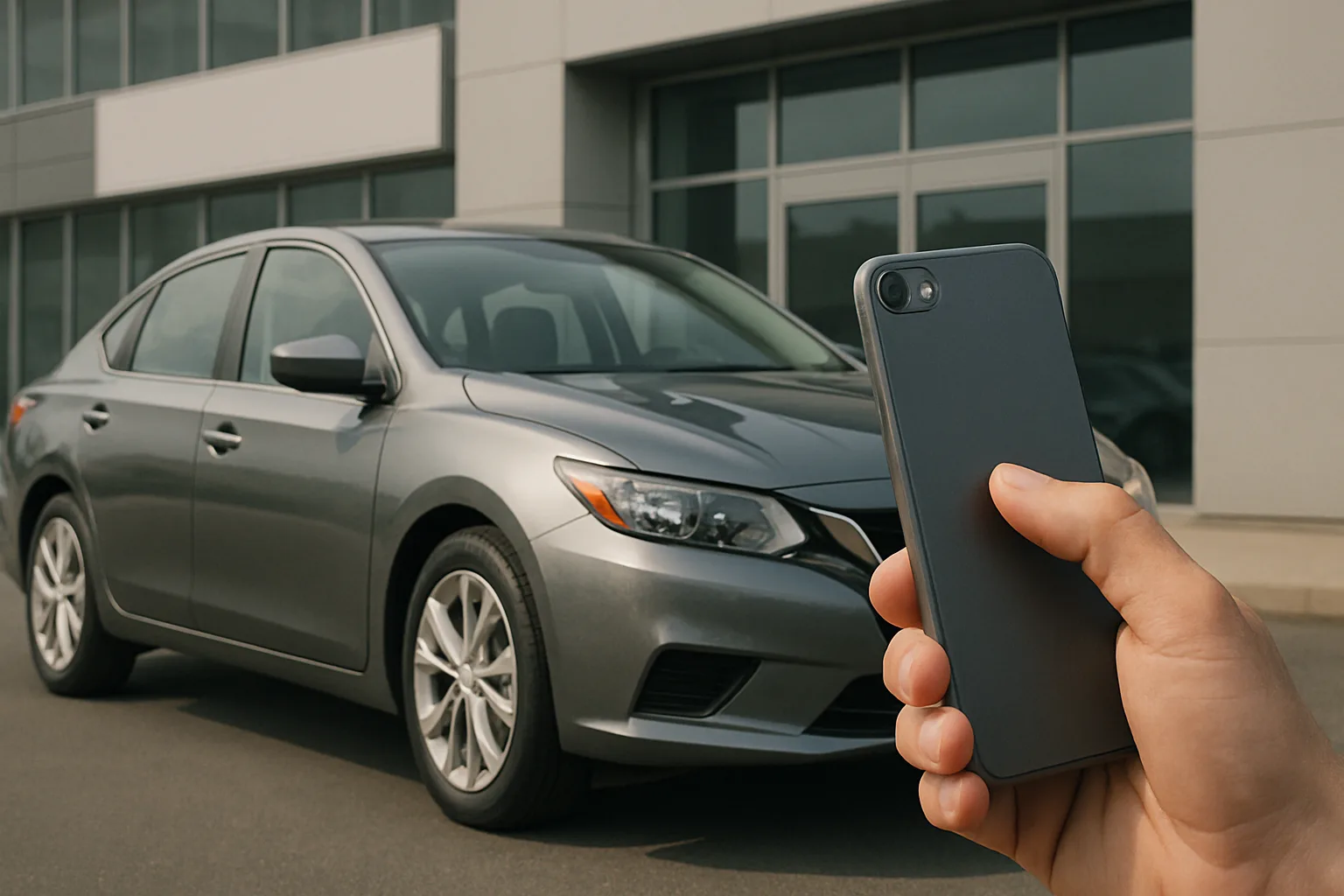
Nissan has agreed to license its Scratch Shield self-healing paint technology to NTT DoCoMo for use on mobile phones sold in Japan, marking a notable move for the automotive-derived innovation beyond the car industry. The announcement, made in November 2009, followed Nissan's earlier commercial introduction of the paint on select Nissan and Infiniti models in 2005.
Scratch Shield is based on a polyrotaxane resin that allows the paint to heal fine scratches by reforming its chemical structure. On vehicles like the Murano, 370Z, X-Trail and Infiniti models, the coating can restore minor abrasions overnight, while deeper marks may take up to a week to disappear. The technology was developed in collaboration with the University of Tokyo and Advanced Softmaterials Inc.
From cars to consumer electronics
Nissan's decision to license the paint to NTT DoCoMo reflects a strategy to extend its proprietary technologies into non-automotive markets. Mobile phones, which are frequently exposed to daily wear, stand to benefit from a coating that can self-repair surface scratches and provide a more durable finish. NTT DoCoMo plans to introduce phones featuring the Scratch Shield coating as a value-added feature for Japanese customers.
The Scratch Shield paint is not only self-healing but also more resistant to scratches than traditional coatings. This is achieved by increasing the density and flexibility of the resin in the clearcoat, making it particularly suited to devices handled and carried every day. However, the self-repairing effect is limited to superficial scratches; deeper damage that goes through the clearcoat cannot be restored by the paint.
Prototype iPhone case and further applications
By 2012, Nissan had developed a prototype iPhone case using the same Scratch Shield technology. The case, designed for the iPhone 4 and 4S, features an ABS plastic shell coated with the self-healing paint. In addition to repairing scratches, the finish provides a grippy texture, distinguishing it from the glossy coatings of most phone cases. Nissan distributed early prototypes for beta testing and indicated that commercial production could follow if demand proved sufficient.
Nissan has a history of licensing automotive innovations for broader use. Other technologies, such as the around-view monitor and far infrared image sensors, have found applications outside the car industry since 2004. The company has stated its intention to continue developing and promoting such cross-industry technologies.
What it means for buyers and manufacturers
For mobile phone buyers, the adoption of Scratch Shield paint could reduce the visible effects of daily wear, potentially extending the aesthetic life of devices. For manufacturers, it offers a way to differentiate products in a crowded market by addressing a common consumer complaint. Nissan's licensing model also demonstrates how carmakers are seeking to monetise proprietary technology outside their core business, opening new revenue streams and partnerships.