Second-generation MINI Clubman Spied Testing on UKL Platform
A test mule for the next MINI Clubman has been photographed, revealing a larger body and confirmation it will use BMW’s UKL front-wheel-drive architecture.
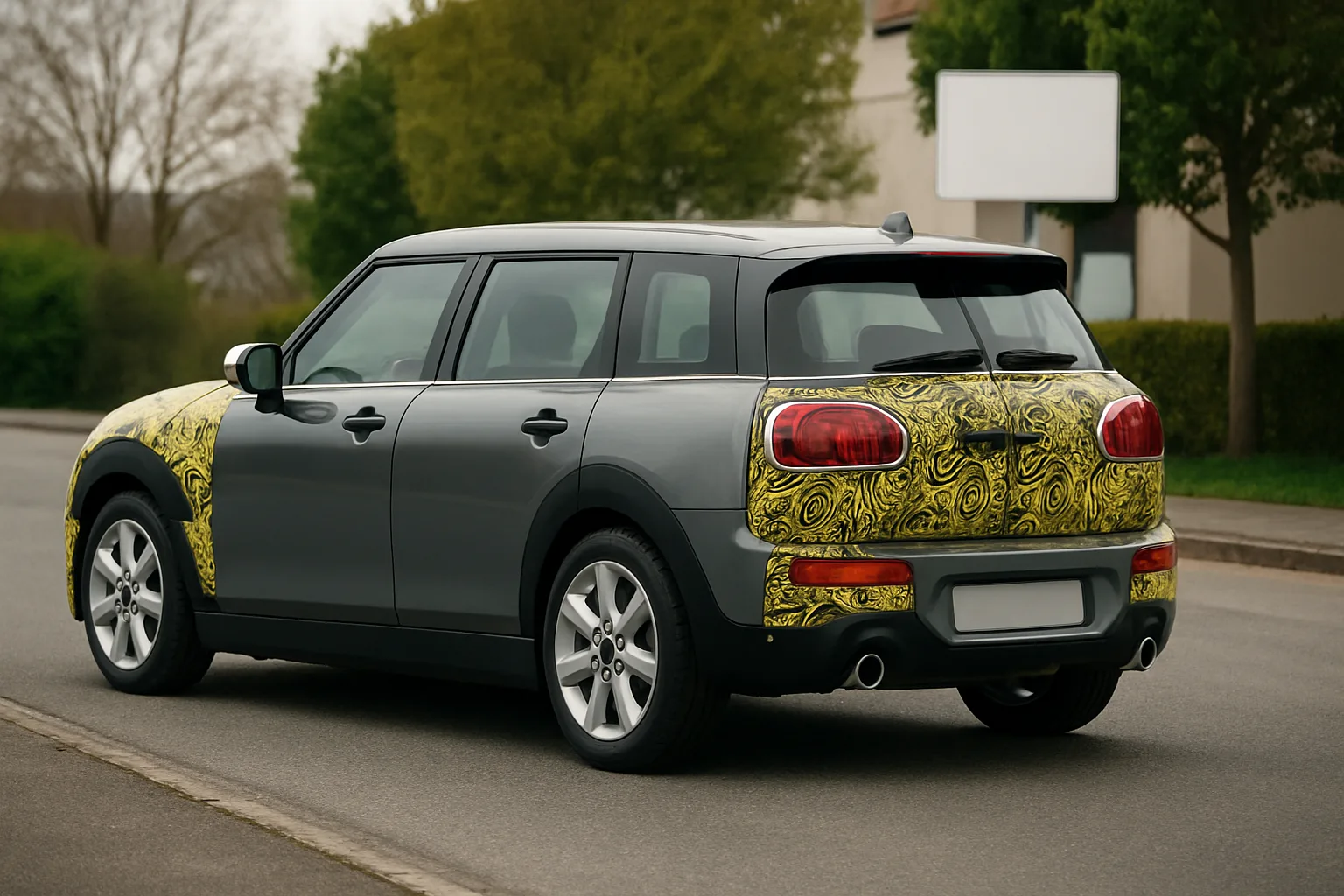
MINI’s next-generation Clubman has been caught in testing, with images showing the prototype on a platform and revealing a larger body than its predecessor. The test mule, spotted ahead of the model’s expected 2015 launch, confirms that the new Clubman will be built on BMW’s UKL front-wheel-drive architecture.
Larger body and new platform
The new Clubman’s proportions suggest a clear move up in size, with the prototype’s footprint appearing close to that of a BMW 3 Series Touring. This is a notable shift from the outgoing Clubman, which had been on sale for six years. The increase in size aligns with BMW’s strategy to offer more space and practicality in MINI’s estate-bodied models, aiming to compete more directly with compact premium wagons.
The switch to the UKL platform, already underpinning the third-generation MINI Hatch, allows for improved packaging and compatibility with a wider range of engines. This architecture is also set to support future BMW models, including a seven-seat MPV, and potentially a MINI Traveller variant. The modular platform is designed for front-wheel drive but can accommodate all-wheel-drive systems for certain variants.
Design changes and engine options
Spy shots show that the prototype retains the Clubman’s signature split rear doors, often referred to as “barn doors”, but with revised taillights and altered rear bodywork. The test car’s camouflaged panels hint at further styling tweaks, likely to bring the Clubman in line with the latest MINI design language. The increase in width and length is expected to translate into a more usable rear seat and improved luggage space, addressing criticisms of the outgoing model’s practicality.
Under the bonnet, the next Clubman is likely to share engines with the latest MINI Hatch. This includes the 1.5-litre three-cylinder petrol and diesel engines, as well as the 2.0-litre four-cylinder petrol for the Cooper S variant. The UKL platform’s flexibility also opens the door for all-wheel-drive versions and further engine options in the future. Full technical details will be confirmed closer to launch.
Position in the MINI range
The Clubman’s move upmarket puts it above the standard MINI Hatch in size and practicality, but below the Countryman SUV. MINI’s strategy appears to be broadening the appeal of the Clubman, targeting buyers who need more space but want to stay within the MINI brand. With the UKL platform underpinning a growing family of models, the Clubman will share key components with both MINI and BMW stablemates.
Production Clubman prototypes have since been seen testing with minimal camouflage, and the model made its public debut at the 2015 Frankfurt Motor Show, confirming the shift to a larger, more practical estate. For more on the production version, see2016 MINI Clubman debuts at Frankfurt with bigger body and new engines