Marchionne: Fiat Loses $14,000 on Every 500e Sold
Fiat Chrysler CEO Sergio Marchionne admitted in 2014 that the company lost $14,000 on each Fiat 500e sold, highlighting the cost pressures of early electric vehicle production.
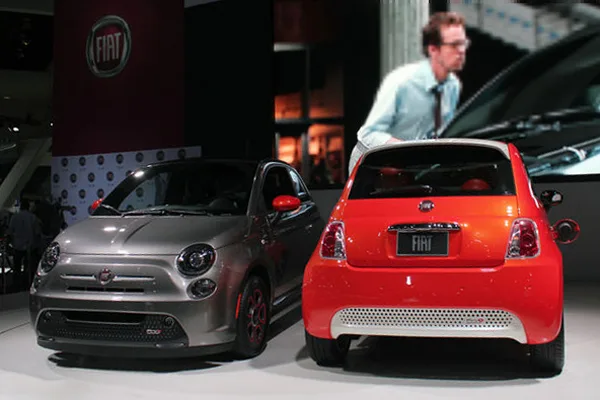
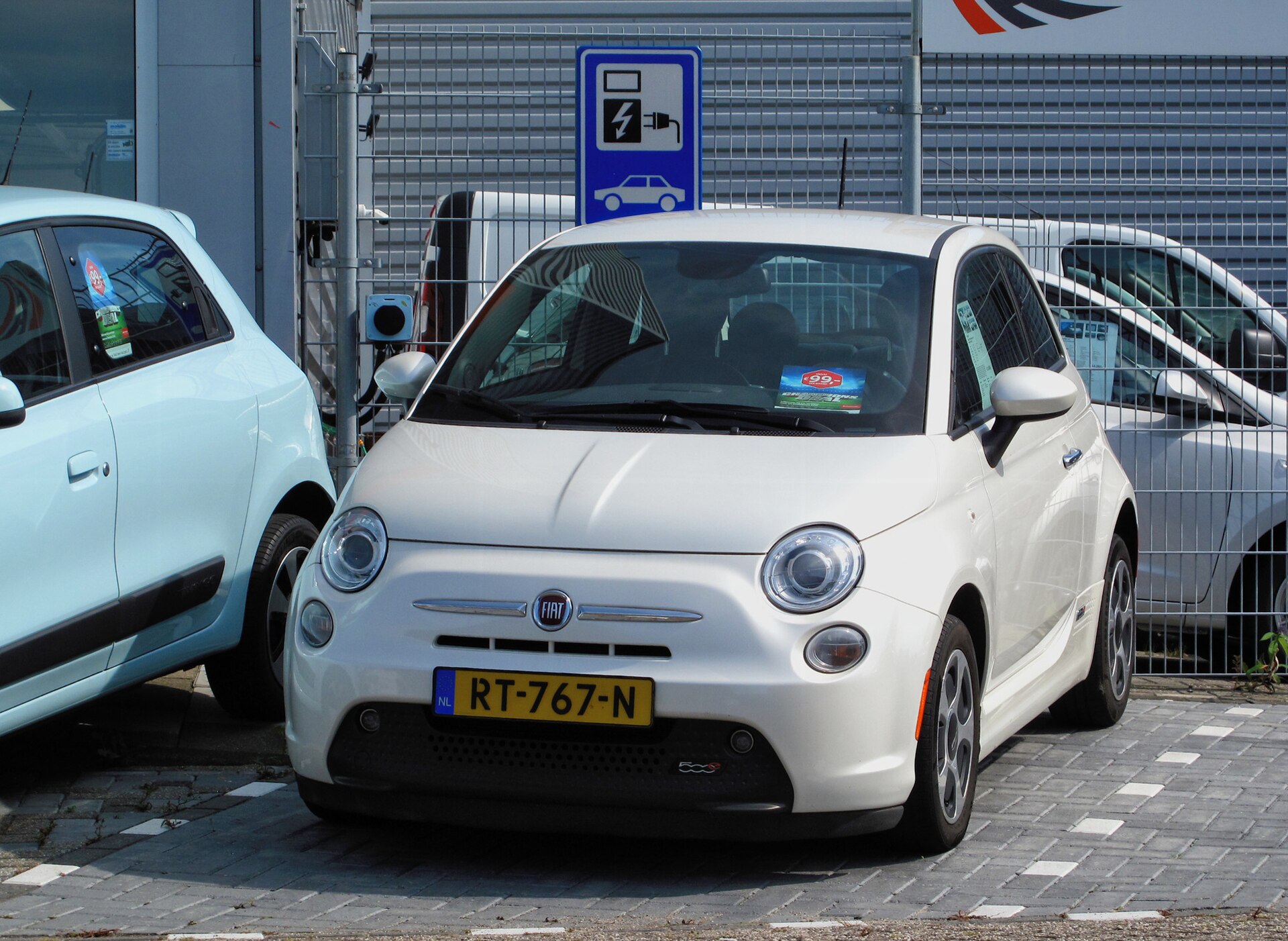
Fiat Chrysler Automobiles CEO Sergio Marchionne publicly stated in 2014 that the company lost $14,000 on every Fiat 500e electric car sold in the United States. The admission, made at a press event in Washington, DC, put a spotlight on the financial strain early electric vehicles placed on manufacturers facing regulatory pressure to offer zero-emission cars.
Why Fiat Built the 500e Despite Losses
Marchionne was clear that Fiat did not bring the 500e to market out of commercial optimism. Instead, regulations in the US, especially California's zero-emission vehicle mandate, forced manufacturers to offer electric cars if they wanted to keep selling conventionally powered vehicles in those states. Marchionne told the Brookings Institution audience, “I hope you don’t buy it because every time I sell one it costs me $14,000.” He also said the company would only sell the minimum required by law.
The 500e was produced in low volumes and sold almost exclusively in California, a compliance move rather than a true market play. Fiat Chrysler's main goal was to meet regulatory targets for fleet fuel economy and CO2 emissions, not to establish itself as an electric vehicle leader. Marchionne argued that the economics of electric vehicles were not viable at the time, with battery costs making up around half the 500e’s $32,300 price tag, double the starting price of the petrol-powered 500.
Technical Details and Market Context
The 2014 Fiat 500e used a 24 kWh lithium-ion battery and an 83 kW (111 hp) electric motor, delivering a claimed range of 87 miles (140 km) and a top speed of 85 mph (137 km/h). Despite its $32,300 base price before federal incentives, the 500e was far more expensive than the standard 500, which started at $16,195. Battery costs and limited production volumes made it impossible for Fiat Chrysler to break even on the model.
| Battery capacity | 24 kWh lithium-ion |
|---|---|
| Motor power | 83 kW (111 hp) |
| Torque | 200 Nm (147 lb-ft) |
| Claimed range | 87 miles (140 km) |
| Top speed | 85 mph (137 km/h) |
| Base price (US) | $32,300 |
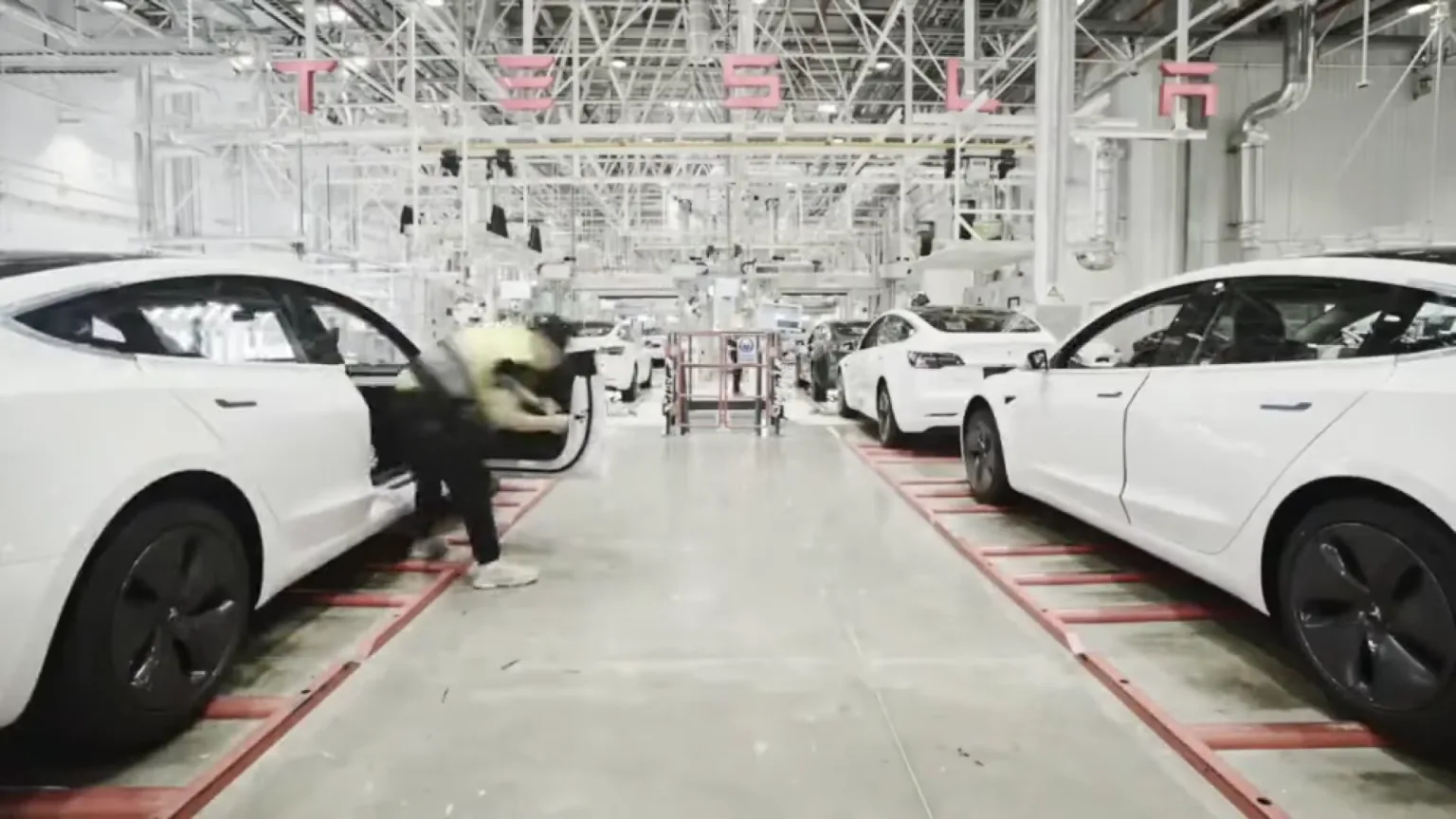
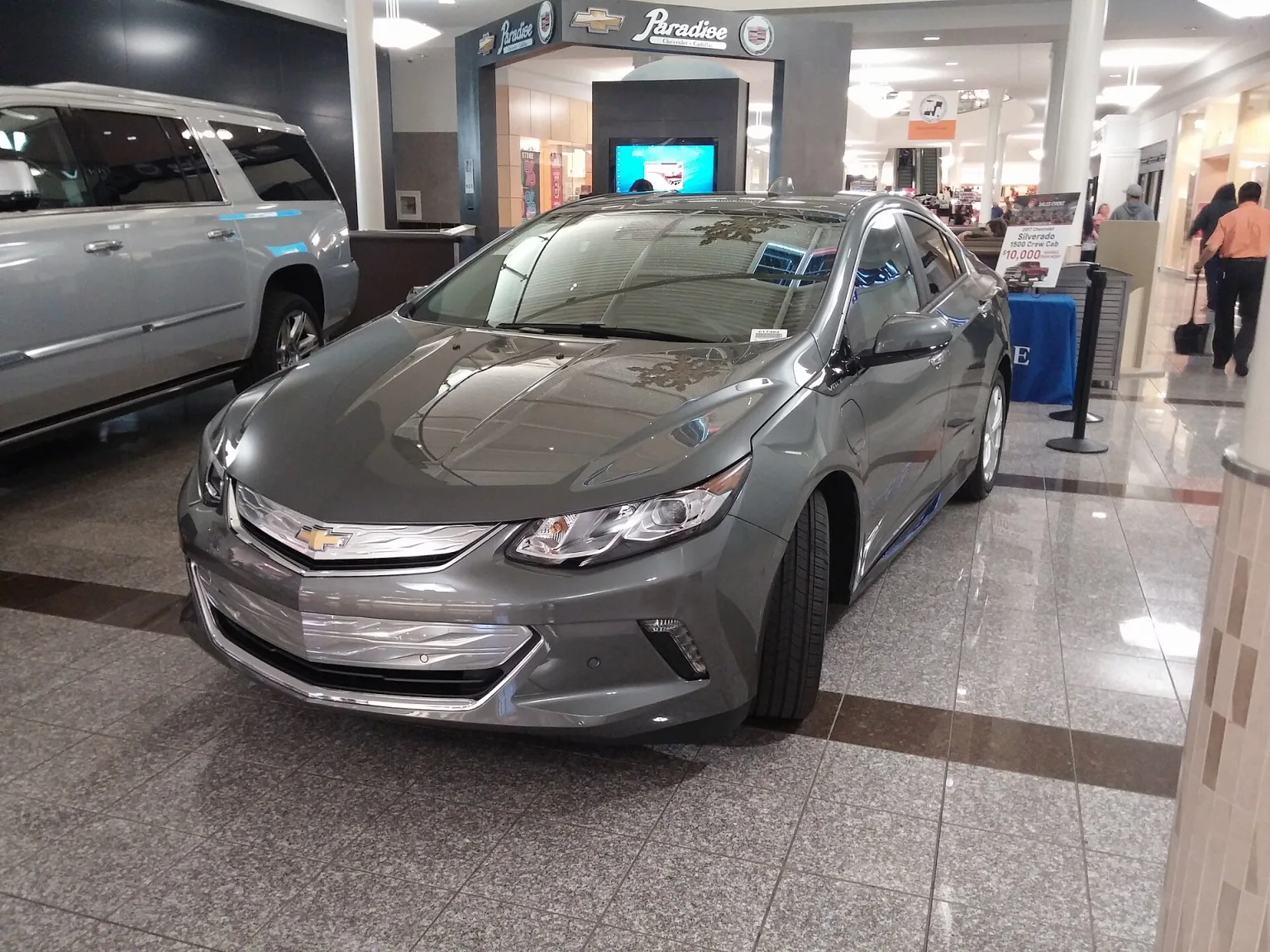
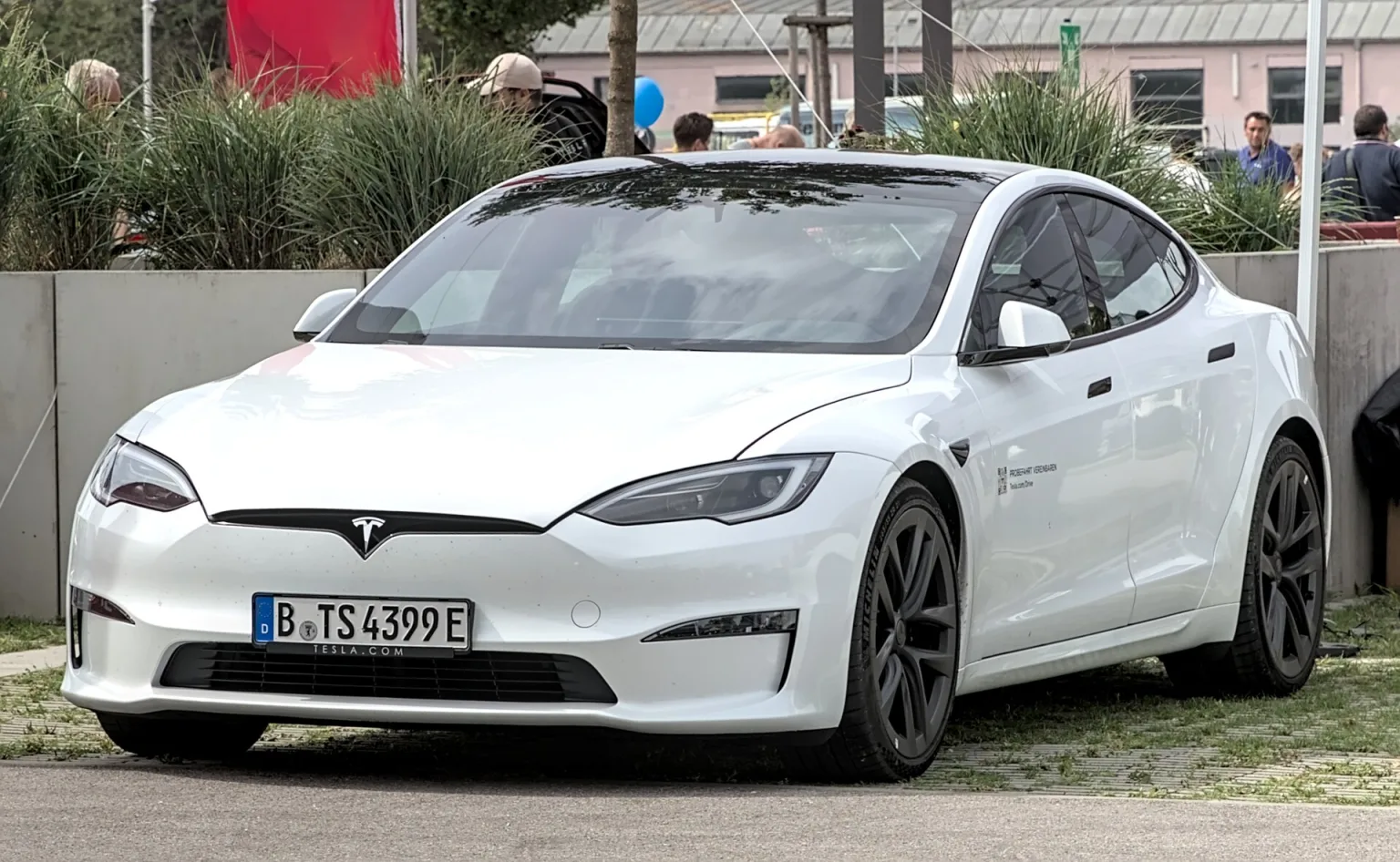
Marchionne contrasted Fiat Chrysler’s approach with that of Tesla, which he said was the only manufacturer making money on electric cars at the time, due to higher pricing and a different business model. He also pointed to the Chevrolet Volt’s struggles with volume and profitability, reinforcing his view that the technology was not yet commercially sustainable for mainstream brands.
Regulatory Pressures and Strategic Choices
Fiat Chrysler’s decision to build the 500e was driven by the need to comply with US and California regulations. Marchionne argued that the government should set emissions targets and allow the industry to choose the best technological path. He was adamant that pure electrification alone could not deliver the required fleet averages without putting the company at financial risk.