Six strange concept cars that defied convention
From an aluminium egg to a shape-shifting BMW, these six cars pushed boundaries with their design, technology or sheer eccentricity, leaving a lasting mark on automotive history.
Some concept cars are built to hint at future models. Others are pure experiments, unconcerned with practicality, cost or conventional taste. Here are six that stand out for their boldness, technical ambition or sheer strangeness.
1932 Ford Speedster: ahead of its time
The 1932 Ford Speedster emerged from the collaboration between Edsel Ford and designer Eugene Gregorie. Its long bonnet and low-slung body set the template for later American roadsters. The real oddity was the starter button, a feature that would not become widespread for decades. The Speedster’s minimalist cockpit and streamlined silhouette looked to Europe for inspiration, but its technical features were ahead of Detroit’s curve.
1936 Stout Scarab: the art deco MPV
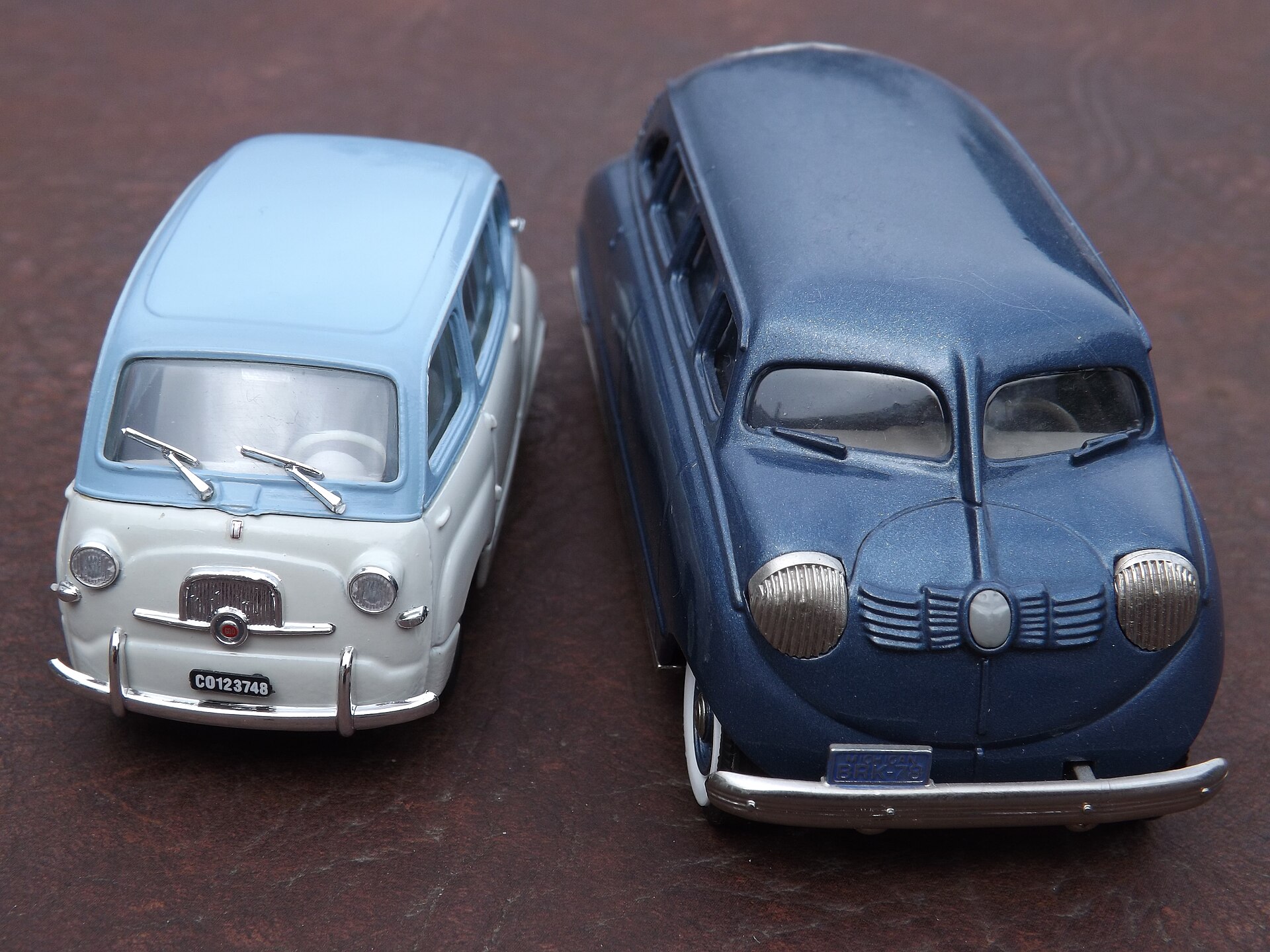
William Stout, an engineer with an aviation background, created the Scarab as a rolling lounge. Its aluminium body, rear-mounted Ford V8 and flexible interior made it one of the earliest attempts at a people carrier. The Scarab’s rounded, beetle-like shape was dictated by aerodynamics rather than fashion. Inside, passengers sat on movable chairs around a table, more like a train carriage than a car. Only a handful were built, but the Scarab’s influence can be seen in later multi-purpose vehicles.
1942 Oeuf électrique: the electric egg
Long before electric cars returned to fashion, French industrial designer Paul Arzens built the Oeuf électrique. The name means “electric egg”, and the car’s shape fits the description. Built from hand-formed aluminium and curved Plexiglass, the Oeuf ran on batteries at a time when petrol was rationed during the war. Its tiny three-wheeler layout and transparent canopy made it look more like a science experiment than a car, but it anticipated the current interest in lightweight, efficient city vehicles.
1959 Cadillac Cyclone: radar on the road
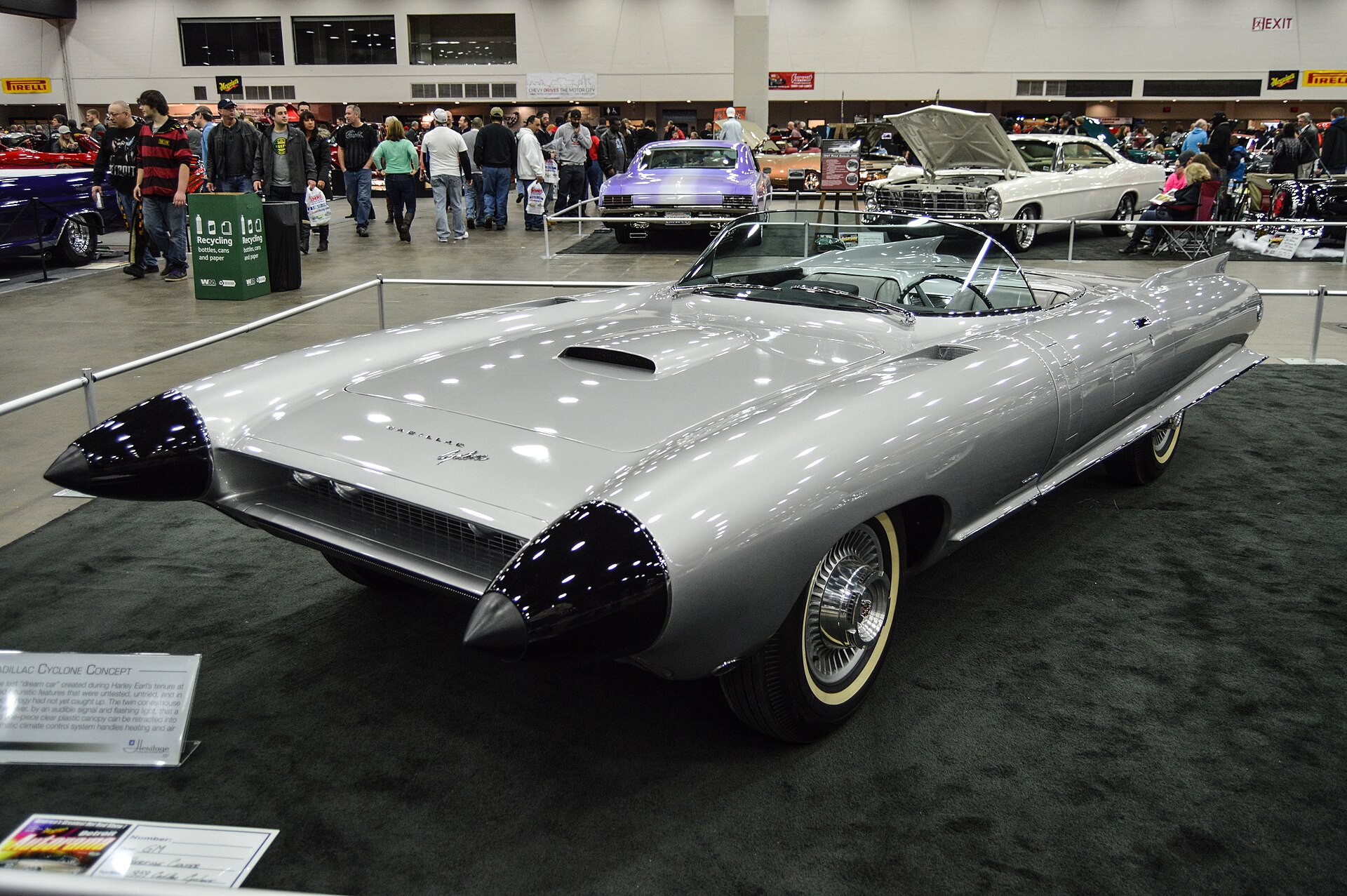
The Cadillac Cyclone’s most striking feature was the pair of black cones at the front, which housed radar sensors for an early crash avoidance system. General Motors engineers fitted the Cyclone with warning lights and audible chimes to alert the driver of an impending collision. The system could even apply the brakes if a crash seemed unavoidable. While the technology was rudimentary by today’s standards, the Cyclone previewed features now common in modern safety systems.
1970 Ferrari 512 S Modulo: form over function
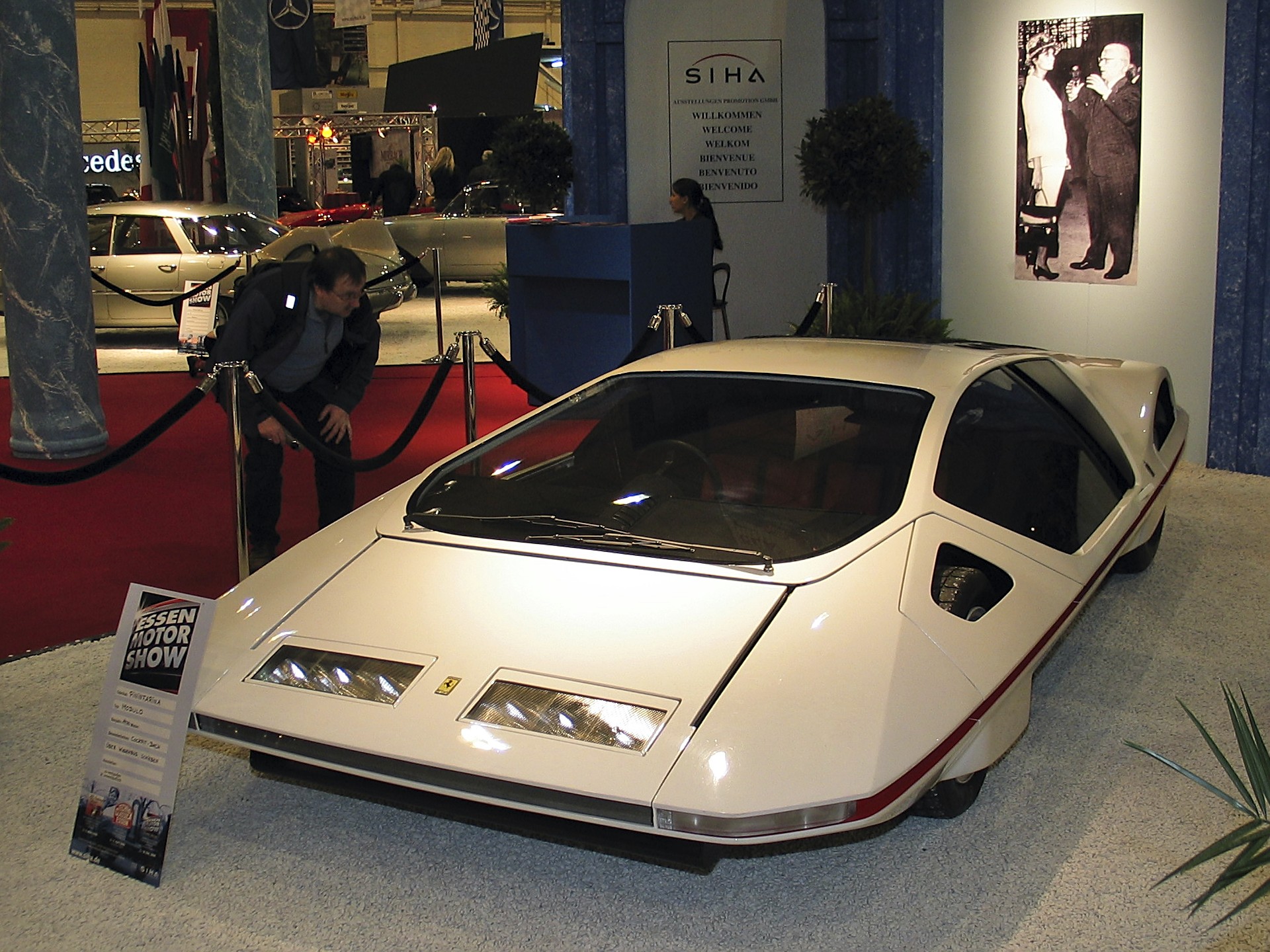
Pininfarina’s Ferrari 512 S Modulo was a radical departure from Maranello tradition. Built on a Ferrari 512S racing chassis, the Modulo wore a wedge-shaped, ultra-low body with partially covered wheels and a canopy-style roof. The design prioritised aerodynamics and visual drama over usability. Entry required sliding the roof forward. The Modulo’s futuristic look has made it a favourite at concours events, but it was never intended for the road.
2001 BMW Gina: the shape-shifting vision
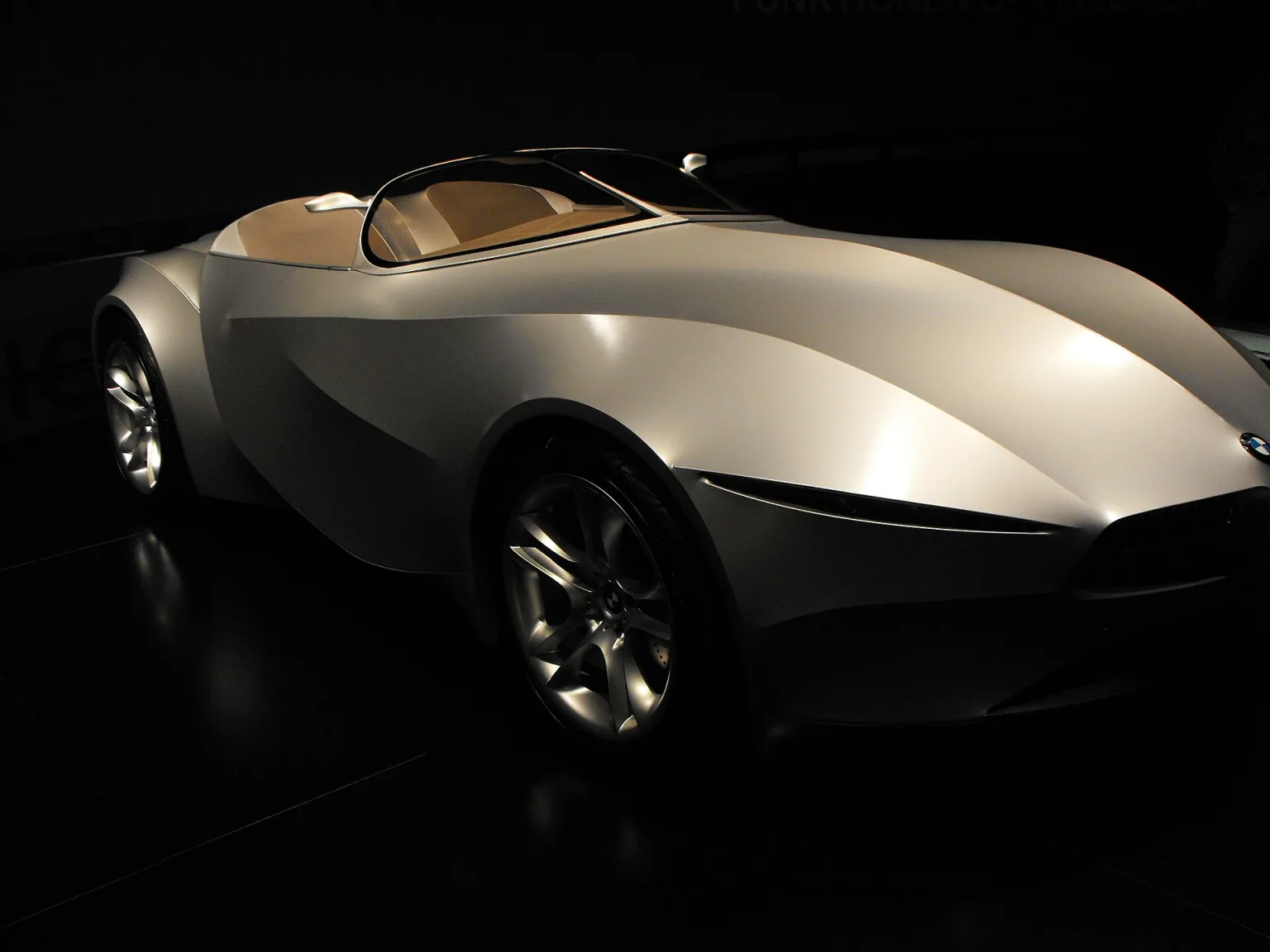
BMW’s Gina Light Visionary Model, revealed in 2001, took flexibility to extremes. Designed under Chris Bangle, the Gina used a polyurethane-coated spandex skin stretched over a moveable frame. The body could change shape for aerodynamics or access, with headlamps and spoilers appearing only when needed. The Gina was never meant for production, but it pushed the idea of adaptable car design further than any previous concept. Its influence is still debated among designers.
Why these cars matter
Each of these cars broke with convention, whether by rethinking how a car should look, what it should be made of, or what technology it could offer. While few made it past the concept stage, their ideas have filtered into mainstream design and engineering. For more on unusual show cars, see the story of the transparent 1939 Pontiac Deluxe Six atTransparent 1939 Pontiac Deluxe Six 'Ghost Car' Heads to Auction.