SRT Viper Production Cut After Weak US Sales
Chrysler has reduced SRT Viper output by a third, responding to low demand and a backlog of unsold cars at dealerships across the United States.
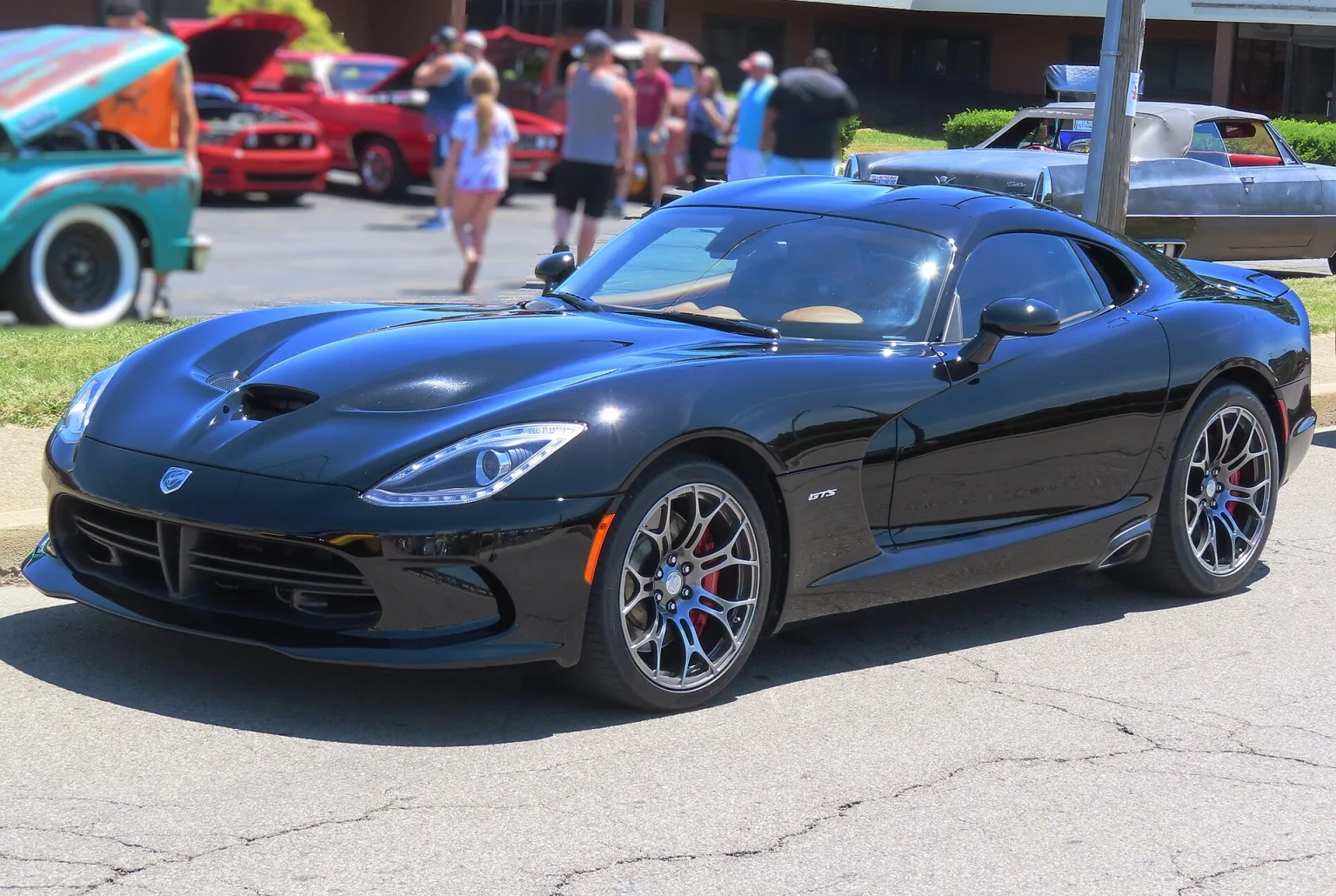
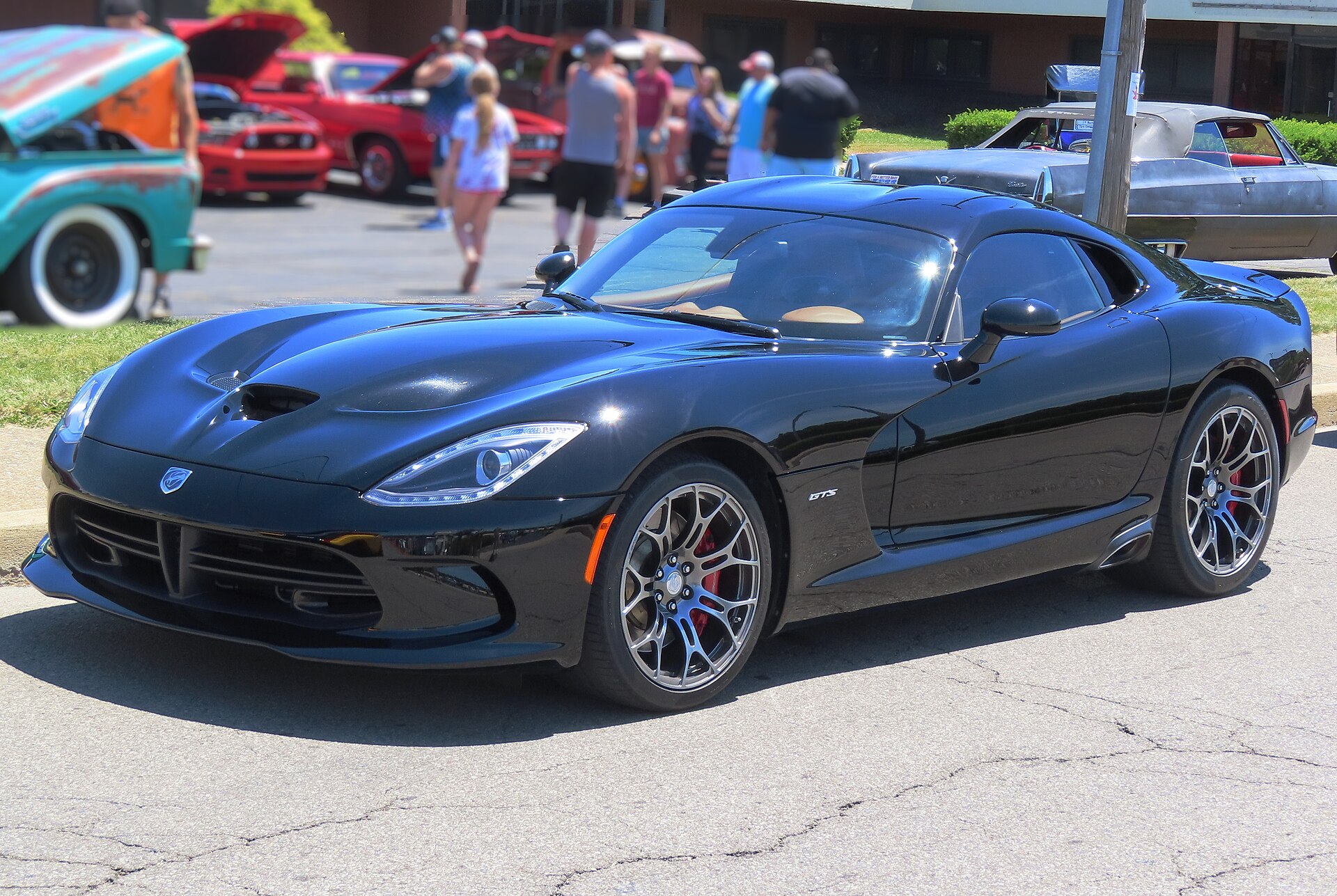
Chrysler has slashed production of the SRT Viper by a third after slow sales left hundreds of unsold cars sitting in US dealerships. The move comes less than a year after the new Viper’s launch, with the company forced to adjust its plans to match demand.
The SRT Viper, relaunched as a flagship for Chrysler’s standalone SRT performance brand, had been intended as a low-volume but high-impact sports car. Chrysler originally aimed to build around 2,000 units per year, but actual sales fell far short of that figure. In the eight months following launch, only 426 cars found buyers in the United States, according to company figures. As a result, a 289-day supply of unsold Vipers accumulated at dealerships, far above the typical industry norm.
To address the surplus, Chrysler cut daily production by three units. While the exact new build rate was not disclosed, the reduction is substantial for a car already produced in small numbers. The company’s decision follows a pattern seen elsewhere in the industry when specialist models miss sales targets, with production scaled back to avoid further swelling dealer inventories.
Viper faces tough competition and market realities
The Viper’s slow sales contrast sharply with the Chevrolet Corvette Stingray, which at the time had waiting lists stretching up to six months. The Viper’s higher price, more focused character, and limited dealer network all contributed to its slower take-up. The car launched with a starting price of $99,390 in the US, positioning it firmly in the supercar bracket rather than as a direct Corvette rival. For context on the Viper's launch pricing, see 2013 SRT Viper pricing revealed: starts at $99,390 in the US.
Unlike the Corvette, the SRT Viper remained a North American exclusive, with no plans for European sales. This limited its potential market further, especially as rivals such as Porsche and Nissan offered global reach and larger dealer support. For more on the Viper’s regional exclusivity, see SRT Viper to Remain a North American Exclusive for 2013.
What the production cut means for dealers and buyers
Dealers faced with almost 300 days’ worth of unsold stock may be forced to offer incentives or discounts to move cars off the forecourt. For buyers, this could mean better deals on new Vipers, though the limited production and specialist nature of the car may still keep volumes low. The cut in output is intended to bring supply back in line with demand, stabilising the model’s position in Chrysler’s range.