Spyker reveals Saab strategy and funding details after acquisition
Spyker plans to position Saab as a premium niche manufacturer, with renewed model lines and funding secured through a mix of GM support and a European Investment Bank loan.
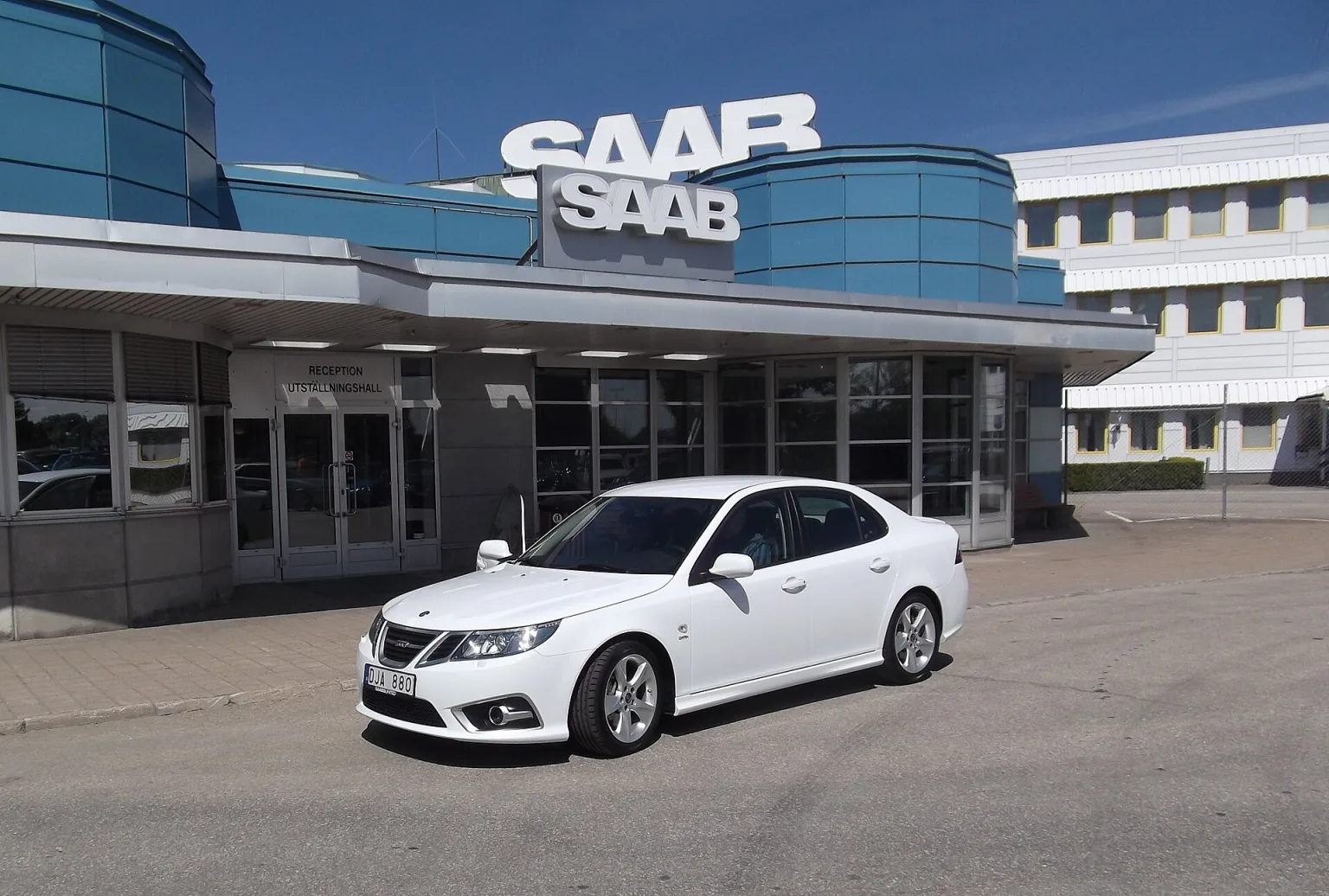
Spyker Cars N.V. has set out its strategic and financial plans for Saab following the completion of its acquisition from General Motors, aiming to re-establish Saab as a stand-alone premium carmaker with a refreshed model range and a focus on environmental leadership.
Saab's new direction under Spyker
Spyker intends to reposition Saab as an independent, performance-oriented niche brand, drawing on its Swedish heritage and aeronautical roots. The company will adopt the name Saab Spyker Automobiles NV, running Saab and Spyker as separate entities under one holding company. Saab's management will remain in place to execute a business plan developed over the previous ten months, with input from advisors including Booz & Co and KPMG Transaction Services.
Saab's product strategy centres on three main model lines: the 9-3 (in saloon, hatchback, estate, X and convertible forms), the 9-5 (saloon, estate and X), and the 9-4X crossover, targeting both the US and European markets. The company will also investigate the feasibility of a smaller 9-1 model if the segment continues to grow, though this is not included in the current business plan and would require additional financing if pursued.
Model launches and production plans
The model renewal will begin with the launch of the new 9-5 in summer 2010, followed by the 9-4X in early 2011 and an all-new 9-3 in 2012. Saab will continue to compete against premium brands such as Audi and BMW, aiming to rebuild production and sales to pre-crisis levels of 100,000 to 125,000 vehicles annually, including the 9-4X built in Mexico.
Saab's Trollhättan technical centre will remain responsible for complete vehicle development. The company plans to leverage its expertise in safety, turbocharging and environmental technologies, while gradually reducing its reliance on GM for sourcing. Ancillary agreements with GM will continue for the time being, but Saab expects to increase independent sourcing and seek new supplier partnerships.
Financial structure and funding
Spyker's plan for Saab requires approximately $1 billion in peak funding before a return to profitability, which is forecast for 2012. General Motors will provide $326 million in redeemable preference shares, along with favourable supply terms and deferred payments. The European Investment Bank is expected to provide a €400 million loan for Saab's research and development projects, with securing this loan a condition for closing the deal.
Saab's dealer network of 1,100 outlets will be revitalised with a new sales and distribution approach during 2010. Saab Spyker also expects both brands to benefit from shared engineering and technology services in the future, with opportunities to share parts, components and marketing activities.
What the deal means for Saab and Spyker
Spyker sees the acquisition as a rare chance to revive a global car brand with a distinctive identity. The company aims to rebuild Saab’s volumes and reputation while maintaining its independence from mass-market rivals. If the business plan and funding are delivered as outlined, Saab could return to profitability within two years of the takeover.
For more on the sequence of Saab ownership and subsequent developments, see Youngman Makes New Bid to Acquire Saab After Bankruptcy.