Youngman Makes New Bid to Acquire Saab After Bankruptcy
Chinese firm Youngman has submitted a fresh offer for bankrupt Saab, aiming to revive the Swedish marque but faces obstacles over technology rights and asset sales.
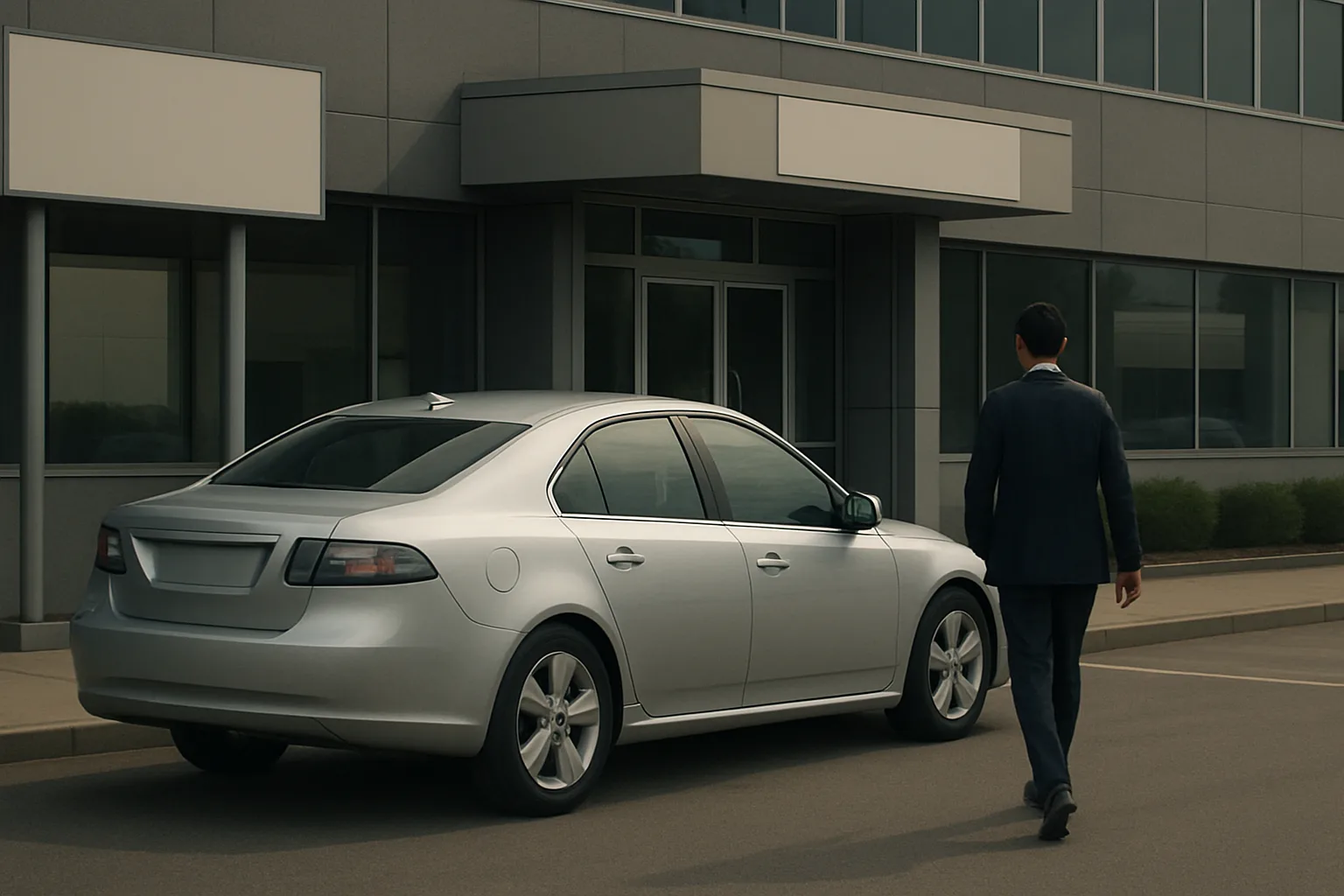
Chinese automaker Zhejiang Youngman Lotus Automobile has submitted a renewed bid worth several billion Swedish crowns for Saab, the Swedish carmaker that entered bankruptcy in December 2011. The move comes as Saab’s administrators seek a buyer for the defunct company’s remaining assets, but the sale process remains fraught with complications over intellectual property and asset ownership.
GM’s technology blocks Chinese bid
General Motors, Saab’s former owner and still the licensor of key vehicle technology, has repeatedly expressed opposition to any deal that would see its technology transferred to a Chinese company. This stance has already derailed previous attempts by Youngman and other Chinese investors to take control of Saab. According to Youngman’s legal representatives, the company intends to proceed by developing technology not controlled by GM, aiming to sidestep the restrictions that have held up earlier negotiations.
Despite these assurances, the practicalities of restarting Saab production remain uncertain. Youngman has indicated plans to launch production of a new Saab 9-3 model within approximately 15 weeks should its bid succeed. However, without access to GM’s platforms and intellectual property, the technical basis for such a vehicle is unclear.
Asset sales complicate acquisition
Further complicating Youngman’s attempt is the sale of key Saab assets to engineering firm Semcon. According to sources close to the bankruptcy process, agreements between Saab, Semcon and the receivers could leave the carmaker’s intellectual property and brand rights unavailable to any single buyer. This fragmentation of assets means any prospective owner would face substantial hurdles in reuniting the necessary components to restart production under the Saab name.
Potential buyers are left with little clarity over which rights and assets remain for sale. This uncertainty increases the risk and scale of investment required to revive Saab as a functioning automaker. The situation may deter less committed bidders, but Youngman has signalled its willingness to commit substantial resources to the process.
Competition from other bidders
Saab’s administrators have previously confirmed interest from several parties, including Indian manufacturer Mahindra. The presence of multiple bidders has raised hopes among some stakeholders that a deal could be struck to preserve at least part of Saab’s operations, but the combined challenges of technology restrictions and asset fragmentation remain formidable.
For more on the later fate of Saab and its assets, see Asian Consortium Plans to Revive Saab as Electric Vehicle Brand. For background on GM’s opposition to Chinese bids, refer to General Motors Blocks Saab Sale to Chinese Investors Again.