US millennials put phones ahead of cars, studies find
Multiple studies show most American millennials would rather lose their car than their smartphone, reflecting changing priorities and the rise of on-demand mobility.
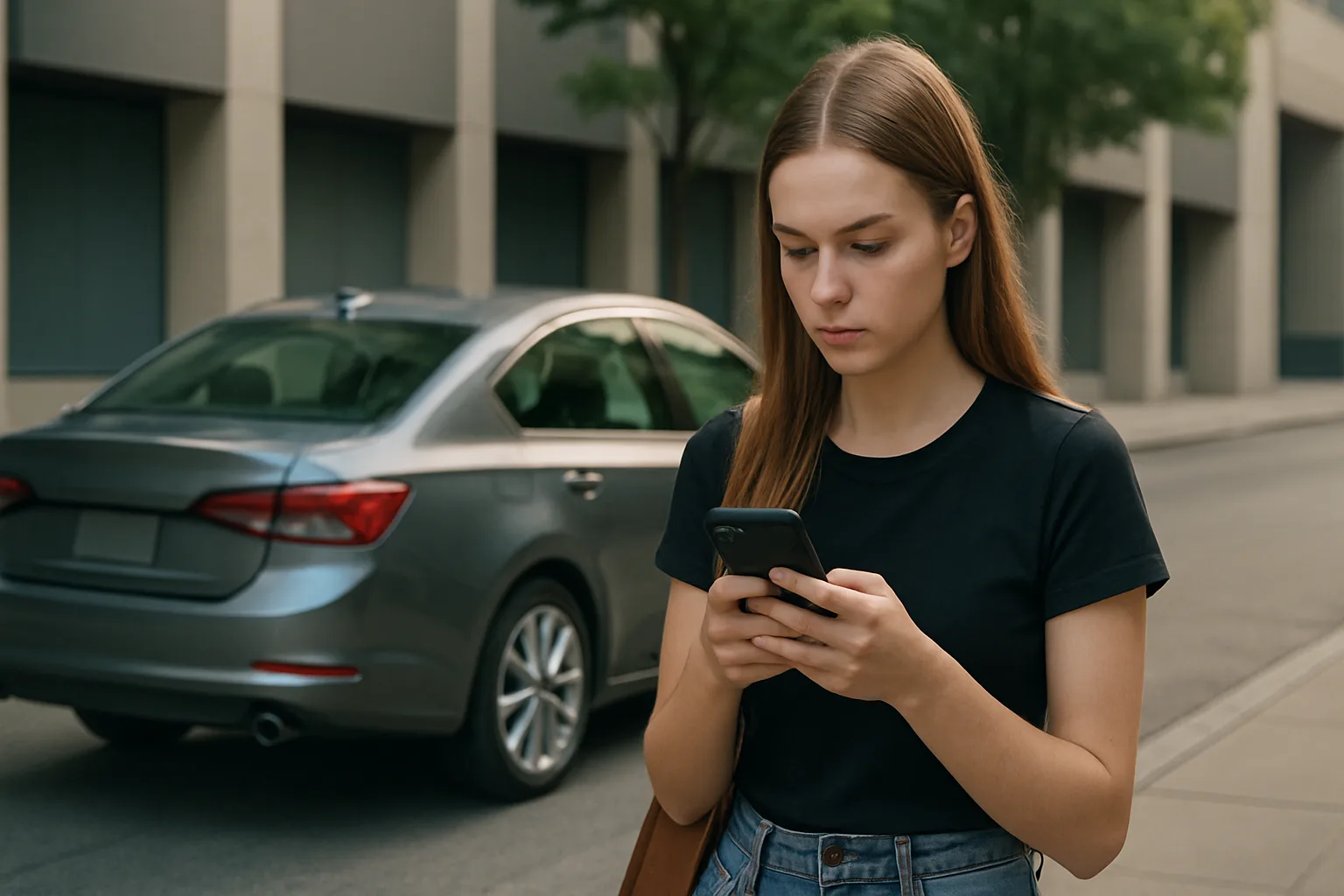
Most American millennials now consider their smartphones or computers more essential to daily life than their cars, according to research by Legg Mason and Zipcar. Both studies, conducted among 18- to 35-year-olds, suggest a marked shift in priorities compared to previous generations.
Phones and technology take priority
The Legg Mason study polled over 5,000 affluent millennials across 19 countries, including the US, and found that 65 percent would be more disrupted by losing their phone or computer than their car. Zipcar’s 2013 survey of over 1,000 US adults reached a similar conclusion: only 28 percent of millennials said losing their car would have the greatest negative impact, compared to 65 percent for their phone or computer. The findings point to a generation that sees mobile technology as central to both work and social life.
This shift has practical consequences for the car industry. Millennials are more likely to use smartphones to research vehicles and arrange transport than to value car ownership itself. According to Zipcar, nearly half sometimes choose to spend time with friends online rather than drive to meet them in person. Three quarters would rather shop online than drive or use public transport to visit a store.
On-demand mobility changes habits
Zipcar’s research highlights the impact of on-demand mobility services. Car sharing, ride-hailing and transportation apps have made it easier for millennials to live without owning a car, especially in urban areas. One in four millennials said transportation apps had reduced their driving frequency, compared to fewer than one in eight among those over 45. The high cost of car ownership and environmental concerns also play a part, but technology is the main driver of this change.
The trend does not mean millennials dislike cars. An MTV study found that most still drive and would rather give up social media or texting than their car. However, the process of buying or leasing is seen as inconvenient, and many use technology to streamline research and avoid time at dealerships. For more on how smartphone features influence car buying, seeUS Auto Customers See Smartphone Sync More Important Than Cars Price or Size.
Implications for carmakers and mobility providers
As millennials become the largest cohort in the US workforce, their consumer habits are forcing manufacturers and mobility providers to adapt. Car companies face the challenge of appealing to a generation that expects digital convenience and may not see car ownership as a necessity. Mobility firms, meanwhile, are expanding app-based services to meet demand for flexible, on-demand transport.
The studies suggest that for millennials, the smartphone is now the primary mobility tool. The car, once a symbol of independence, is increasingly just one option among many for getting around.