Tata Nano Showcases Fuel Efficiency with Jamaican Road Trip
Two Tata Nano city cars toured Jamaica to highlight their fuel economy, as the Indian brand sought to make inroads in the Caribbean market with its ultra-low-cost model.
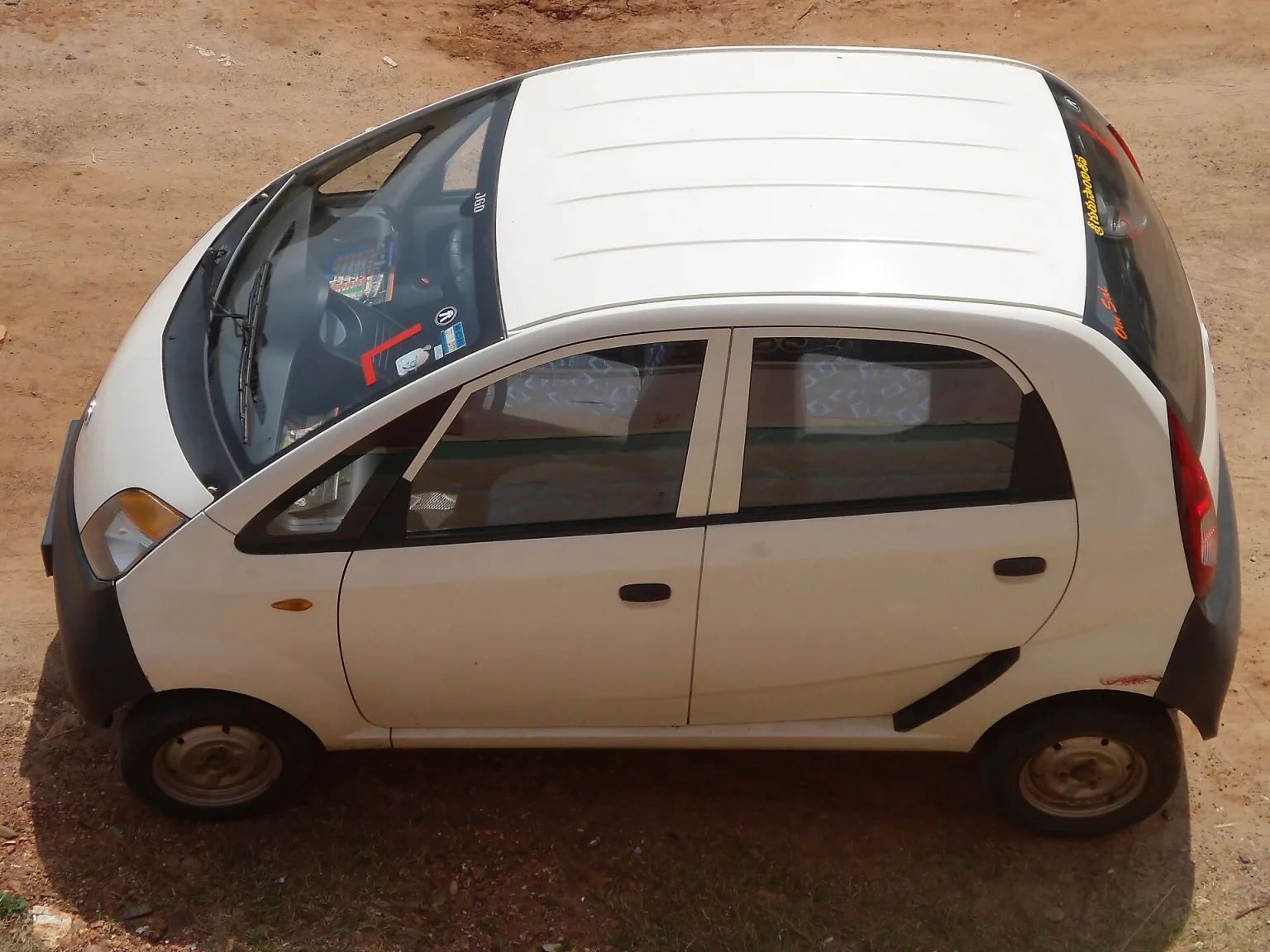
Tata sent two Nano city cars on a promotional road trip across Jamaica to demonstrate the car’s fuel efficiency to local buyers. The campaign followed the Nano’s introduction to the Jamaican market, where Tata positioned the car as an affordable, economical option for city driving. The road trip aimed to show that the Nano could handle the diverse road conditions found across the island, while highlighting its low running costs.
Tata Nano's Road Trip Promotion in Jamaica
Nano's Engine and Performance in Jamaica
| Engine | 624cc petrol, 38bhp |
|---|---|
| Transmission | Manual |
| Driven Wheels | Rear |
| Claimed Fuel Economy | 60mpg |
| Starting Price | 990,000 Jamaican Dollars |
| Trim Levels | Single specification |
The Tata Nano sold in Jamaica in 2013 was equipped with a 624cc petrol engine producing 38bhp. This engine drove the rear wheels through a manual gearbox. Tata claimed a fuel economy figure of 60mpg for the car, which was a central message of the Jamaican road trip. The Nano was offered in a single trim level in the region, with a starting price of 990,000 Jamaican Dollars. By focusing on fuel efficiency, Tata aimed to appeal to Jamaican buyers looking for a vehicle with low daily running costs.
Features and Equipment of the Jamaican Nano
- Tubeless tyres
- Tip-tap driver’s side mirror
- Clear headlamps
- Booster-assisted brakes
- Front suspension with anti-roll bar
The Nano’s Jamaican version was based on the 2012 update, which included several practical features as standard. Unlike the Indian market, where buyers could choose from several trim levels, the Jamaican market received a single specification. This simplified the offering for local buyers but meant that some features available in India, such as air conditioning, central locking, and electric windows, were not included in the Jamaican model.
Comparison to Indian Market Variants
| Feature | Jamaica (Single Trim) | India (Entry/CX/LX) |
|---|---|---|
| Tubeless tyres | Yes | Yes |
| Clear headlamps | Yes | Yes |
| Tip-tap mirrors | Driver’s side only | Available |
| Air conditioning | No | Optional/Standard (CX/LX) |
| Front power windows | No | LX only |
| Central locking | No | LX only |
| Body-coloured bumpers | No | LX only |
| Fog lamps | No | LX only |
| Rear spoiler | No | LX only |
| Colour choices | Limited | Up to six (CX/LX) |
While the Jamaican Nano was available in just one trim, Indian customers in 2012 could choose between three versions: the entry-level, the CX, and the LX. The Jamaican version’s simplified specification meant it was easier for buyers to understand, but those seeking more comfort or convenience features had fewer options.
Tata Nano's Positioning in the Caribbean Market
Tata’s decision to bring the Nano to Jamaica reflected its strategy to reach budget-conscious buyers in new territories. With a price under one million Jamaican Dollars and a focus on low running costs, the Nano targeted urban drivers seeking a practical alternative to used imports or motorcycles. The road trip campaign was intended to build awareness and demonstrate that the Nano could cope with local roads while delivering on its fuel economy promise. By focusing on affordability and efficiency, Tata hoped to establish a foothold in the Caribbean city car market.
Context: City Cars and Market Trends
The Nano’s Jamaican launch came as other manufacturers were also exploring ultra-low-cost city cars for emerging markets. Globally, there was growing interest in compact, fuel-efficient vehicles that could serve as alternatives to larger, more expensive cars. For example, manufacturers like Renault and Nissan were developing city cars priced to compete with the Nano in markets such as India. The Nano’s presence in Jamaica highlighted the increasing demand for economical transport solutions, especially in regions where fuel prices and import taxes made car ownership expensive.
Impact and Reception in Jamaica
The promotional road trip was designed to raise the Nano’s profile among Jamaican drivers and demonstrate its suitability for local conditions. By driving across various parts of the island, Tata aimed to show that the Nano could handle both city streets and less developed roads while maintaining its promise of high fuel efficiency. The campaign emphasised the car’s affordability, ease of use, and low maintenance requirements. While the Nano’s basic equipment level may have limited its appeal to buyers seeking more comfort features, its low price and running costs made it a compelling option for those prioritising economy.
Summary
The Tata Nano’s promotional road trip in Jamaica showcased the car’s strengths as a budget-friendly, fuel-efficient city car. With a simple specification, low price, and a focus on practical features, the Nano was positioned to attract urban drivers seeking an economical alternative to more expensive vehicles. Tata’s campaign in Jamaica reflected broader trends in the global automotive market, where manufacturers continue to develop affordable solutions for emerging markets.