Automotive Technology Tackles Distracted Driving, But Risks Remain
Carmakers and suppliers are rolling out advanced systems to combat driver distraction, but some features risk creating new sources of inattention behind the wheel.
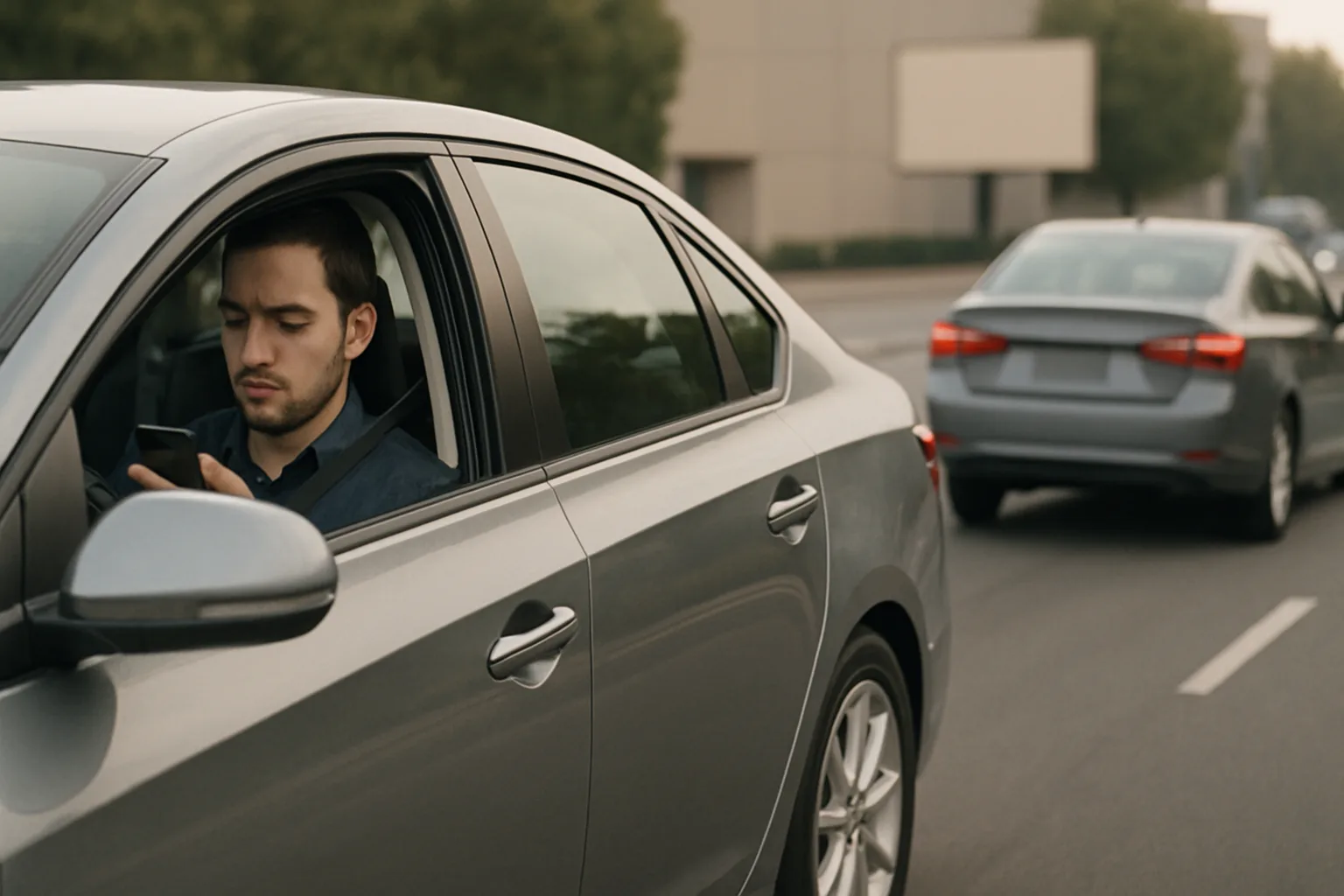
Car manufacturers and technology suppliers are stepping up efforts to address distracted driving, deploying a mix of voice control, head-up displays and driver monitoring systems. While these features aim to keep drivers’ eyes on the road, the complexity of in-car technology can also introduce new distractions.
How carmakers are responding to distraction
Voice command systems are now widespread, allowing drivers to adjust navigation, audio and climate settings without reaching for buttons. General Motors, Ford and other major manufacturers have made these features standard on many new models. Head-up displays, once limited to premium cars, now appear in mainstream vehicles such as the Mazda3, projecting key information onto the windscreen to reduce the need for glances down at the dashboard.
Infotainment systems are also evolving. Cadillac’s CUE system uses proximity sensors to reduce on-screen clutter until a hand approaches, while Microsoft’s Driving Mode for Windows Phone and Apple’s Do Not Disturb function aim to limit smartphone interruptions. The effectiveness of these measures depends on user activation and acceptance, with some systems requiring manual engagement.
Suppliers target drowsiness and inattention
Suppliers are investing in technology that monitors driver behaviour in real time. Bosch’s Driver Drowsiness Detection analyses steering patterns for signs of fatigue, issuing warnings if it detects lapses in concentration. Lexus and Mercedes-Benz have adopted similar systems, with Lexus adding a camera to monitor the driver’s eyes for signs of drowsiness.
Continental’s approach combines interior monitoring with active safety systems. An infrared driver analyser in the steering column tracks attentiveness, while external sensors watch for obstacles. These systems can intervene if the driver fails to respond, steering around hazards or applying the brakes automatically. Delphi is also working on reconfigurable displays and voice interfaces to keep critical information in the driver’s line of sight.
Technology: solution or new source of distraction?
While these systems are designed to help, there is growing concern that complex infotainment and driver assistance features risk becoming distractions themselves. Touchscreen menus, gesture controls and voice interfaces can demand attention, especially if usability is poor or the system fails to recognise commands. Some studies suggest that advanced driver assistance systems may even encourage complacency, as drivers rely on automation for routine tasks. For a deeper look at these risks, seeDriving assistance systems risk fuelling driver distraction.
The industry continues to seek a balance between useful assistance and potential distraction. As autonomous features develop further, the challenge will shift from keeping drivers engaged to ensuring they remain ready to take control when needed. For now, both regulators and manufacturers face the task of ensuring that technology reduces, rather than increases, the risks of distraction on the road.