Elon Musk Targets Tesla’s First Profit in 2013
Tesla CEO Elon Musk told reporters in Detroit that the company expects to post its first quarterly profit by the end of 2013, following strong Model S production.
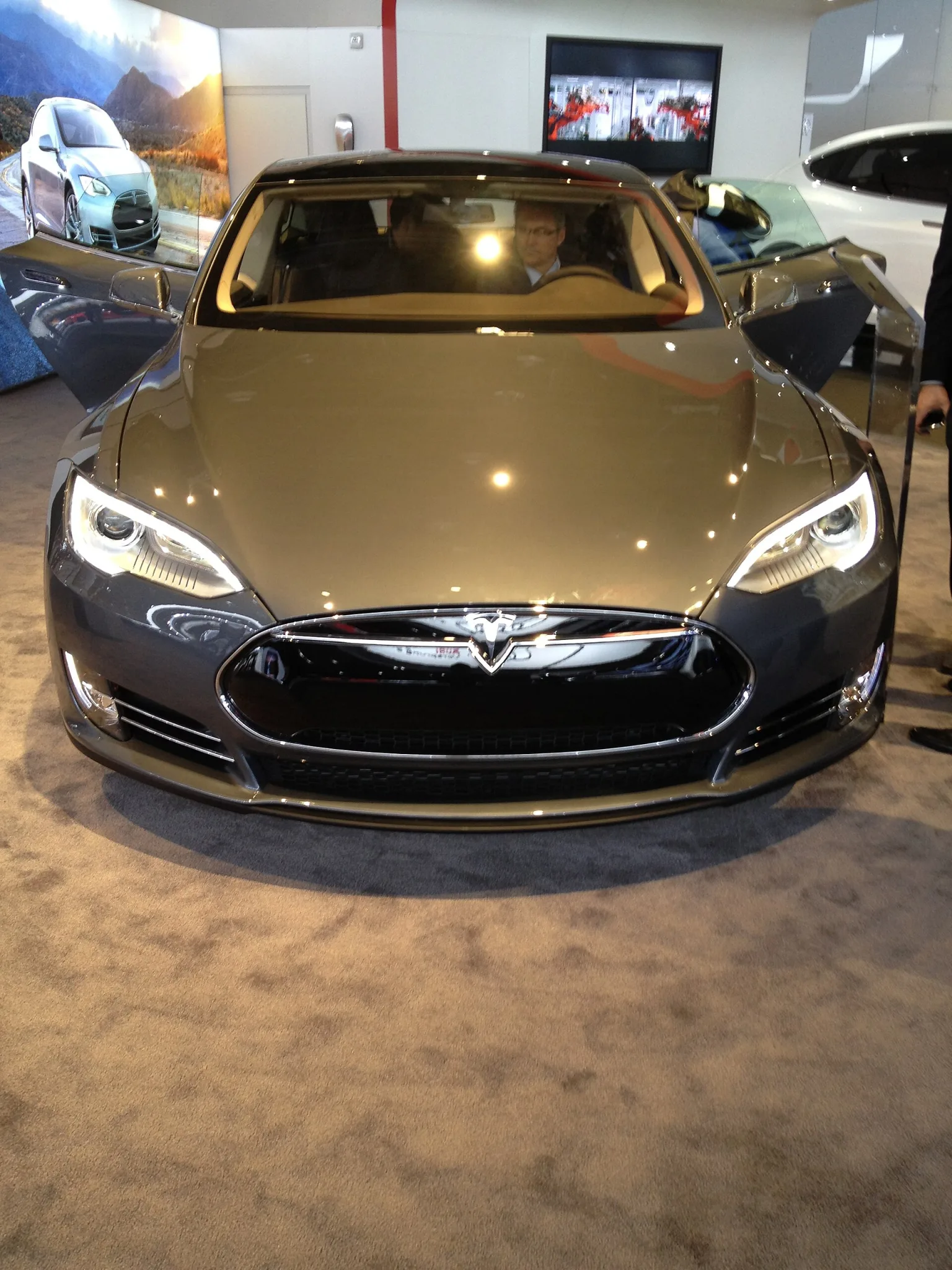
Tesla CEO Elon Musk said in January 2013 that the company expects to achieve its first quarterly profit by the end of the year, following the successful ramp-up of Model S production to 20,000 units annually. Musk made the statement while accepting an award in Detroit, describing profitability as the next major milestone for the electric car maker.
Tesla, founded in 2003, had previously focused on the Roadster and then the Model S, which entered production in 2012. The Model S, with a base price of $60,000 before federal incentives, marked Tesla’s first attempt at high-volume manufacturing. Achieving the planned 20,000 annual production rate was seen as critical to the company’s financial prospects.
Musk told reporters that turning a profit is what would make Tesla a “real company.” Analysts at the time forecast a modest profit of 6 cents per share in the third quarter of 2013, reflecting optimism about the company’s ability to convert demand for the Model S into sustainable earnings.
Future models and pricing plans
Beyond the Model S, Tesla outlined plans to expand its range. The Model X, a luxury crossover based on the Model S platform, was scheduled for launch in the second half of 2014. Musk also said Tesla was working on a third-generation vehicle, expected to be smaller and priced between $30,000 and $35,000. This model was targeted for release within three to four years, aiming to make electric vehicles accessible to a wider market.
The company’s strategy relied on moving from low-volume, high-price vehicles to higher-volume, lower-cost models. The Roadster established Tesla’s credentials, the Model S brought the brand into the premium saloon segment, and the Model X was intended to tap into the growing luxury SUV market. The planned third-generation car would compete directly with mainstream saloons and crossovers on price.
Profit target in context
Tesla’s push for profitability in 2013 came as other car makers were also focused on cost control and new model launches. Chrysler’s CEO, for example, described a $3 billion profit target as within reach at the start of 2012. Opel’s management was under pressure to meet profit targets despite headwinds in Europe and Russia. Tesla’s ambitions were notable because the company was still a new entrant in an industry dominated by established giants.
If Tesla delivered a profit in 2013, it would mark a turning point for the company and for electric vehicles more broadly, showing that a dedicated EV manufacturer could achieve sustainable financial results while scaling up production. The company’s plans for future models and lower prices signalled a long-term strategy to expand its market reach beyond early adopters and luxury buyers.