Tesla Cybercab and Semi share core thermal system, claims report
A third-party report says Tesla has engineered a shared thermal architecture for the Cybercab and Semi, using common components and promising efficiency gains.
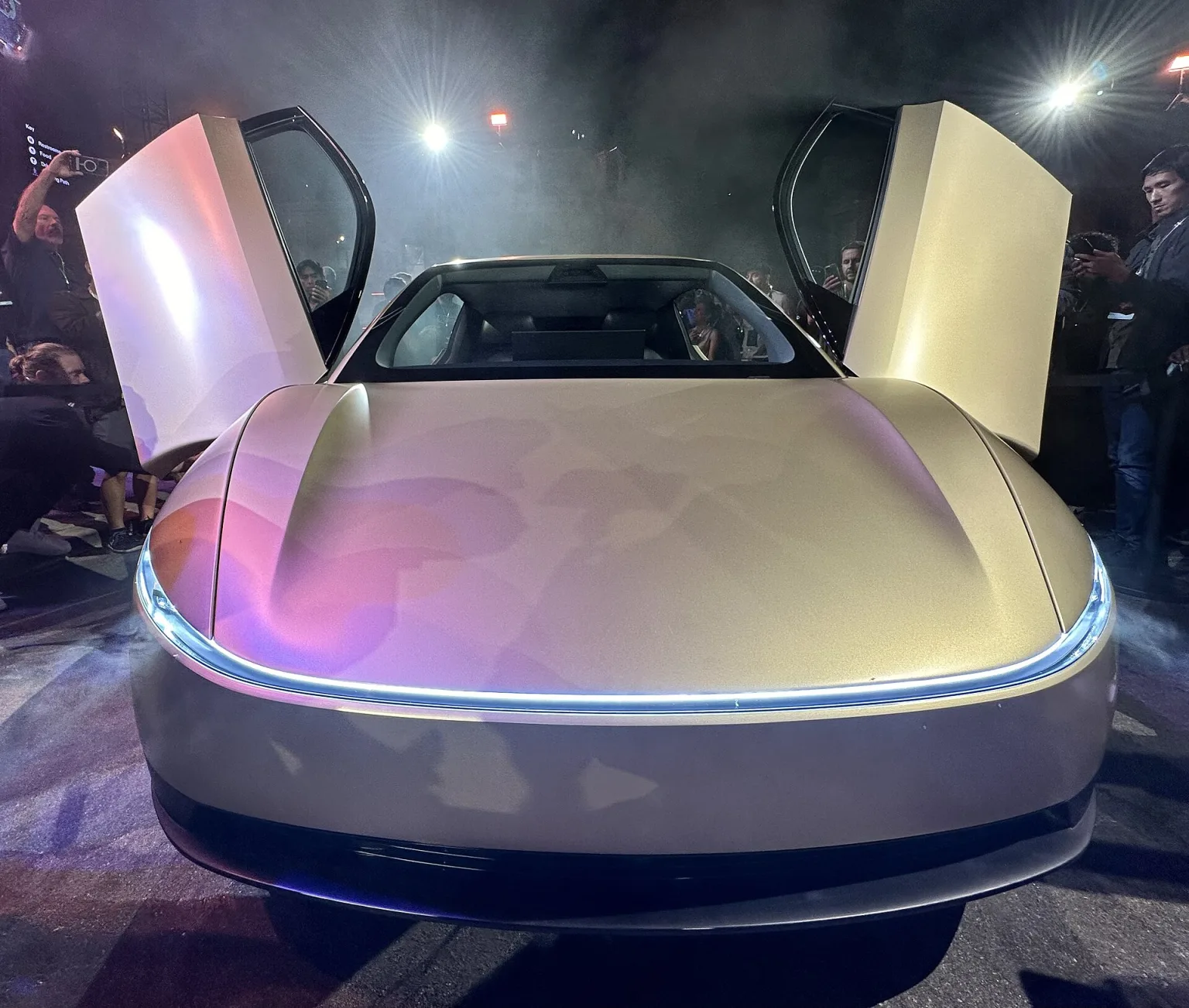
Tesla has reportedly developed a shared thermal architecture for both its Cybercab and Semi models, according to Teslarati (30 September 2026). The report states that both vehicles make use of common core parts in their thermal management systems, including the compressor, pumps, and heat exchangers. These components are modified to suit the specific requirements of each vehicle, but the underlying system remains largely the same.
Shared Thermal Architecture for Cybercab and Semi
By using the same basic parts, Tesla can streamline production, potentially reduce costs, and simplify maintenance. Each vehicle adapts the system to its own needs, but the core elements remain consistent. The design removes traditional air conditioning and refrigerant lines. This could help reduce the risk of leaks, which are a common maintenance issue in conventional automotive thermal systems. By eliminating these lines, Tesla aims to lower maintenance needs for both the Cybercab and the Semi.
Efficiency Claims and Testing
Tesla claims the shared thermal system is 38% more efficient than typical automotive thermal systems. This figure is cited by Teslarati, but the report does not provide independent verification or detailed technical data to support the claim. The efficiency improvement is attributed to the integration of components and the simplified system layout. If accurate, such an improvement could have significant implications for vehicle range, energy consumption, and operational costs.
To ensure reliability and performance, Tesla is reportedly stress-testing the shared thermal system at passenger-car production volumes with the Cybercab. This approach allows Tesla to validate the system under less demanding conditions before scaling up for the Semi, which will likely face more rigorous operational requirements due to its size and intended use.
Implications for Tesla and the Industry
The development of a shared thermal architecture could offer several advantages for Tesla. By standardising parts across multiple vehicle platforms, Tesla may be able to reduce manufacturing complexity and costs. Simplifying the thermal management system could also make it easier to maintain, which is especially important for commercial vehicles like the Semi that are expected to spend more time on the road.
If the claimed efficiency gains are realised in production, the new system could improve energy efficiency for both passenger and commercial vehicles. For the Cybercab, this may translate to longer range or reduced energy consumption. For the Semi, increased efficiency could mean lower operating costs and potentially greater competitiveness in the commercial trucking sector.
Limitations and Unanswered Questions
While the reported efficiency improvement is promising, the lack of independent verification or detailed technical information leaves some questions unanswered. It remains to be seen how the system will perform in real-world conditions, especially when scaled up for the Semi. Details on the specific modifications for each vehicle and the long-term durability of the shared components have not been disclosed.
As Tesla continues to test and develop the shared thermal system, further information may become available. For now, the approach highlights Tesla's ongoing efforts to innovate in vehicle design and manufacturing.