Tesla Model S crashes into California restaurant after driver error
A Tesla Model S smashed through the front of a California restaurant in May 2013 when the driver reportedly pressed the accelerator instead of the brake.
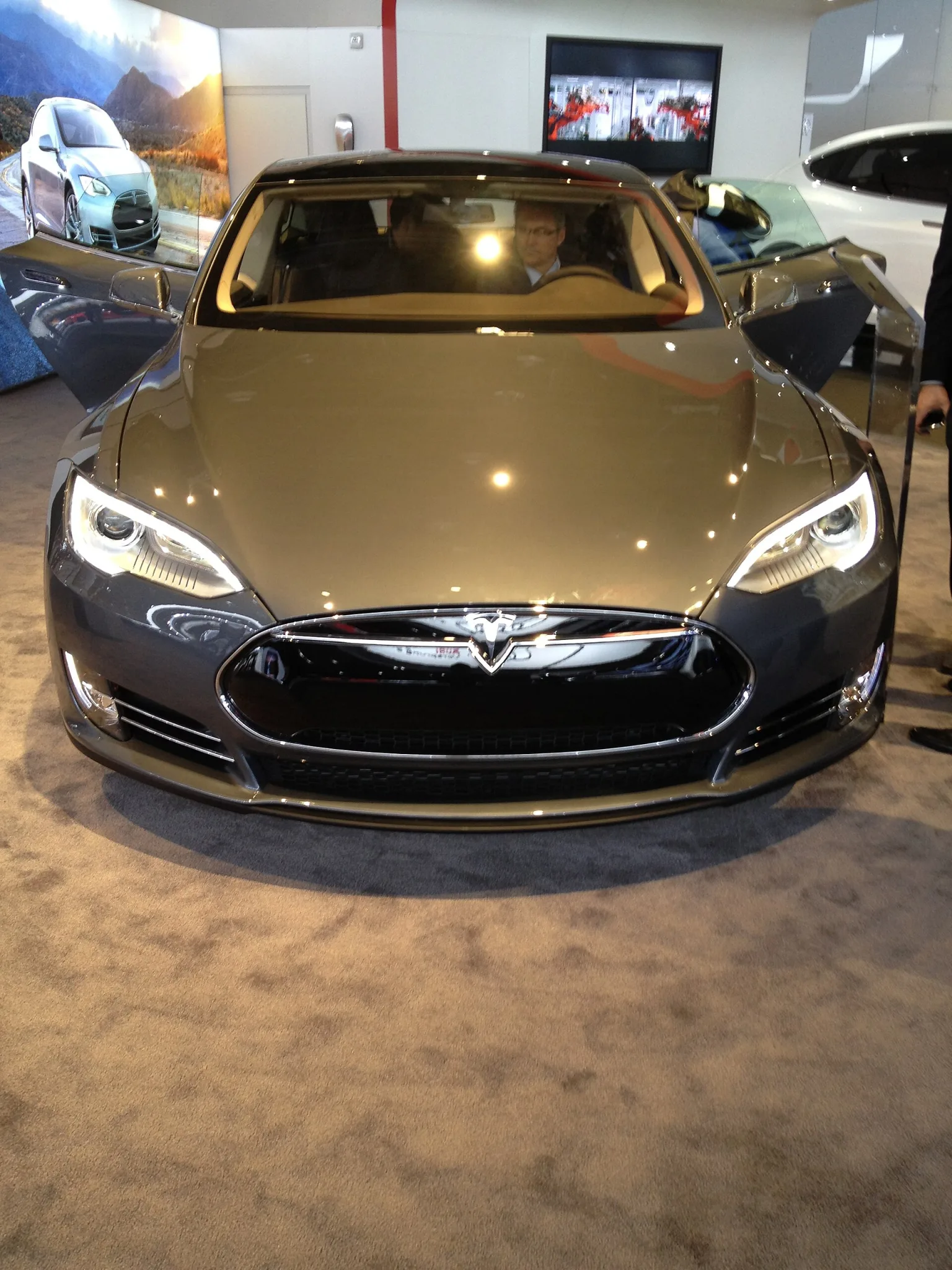
A Tesla Model S crashed through the front of a restaurant in California in early May 2013 after the driver reportedly pressed the accelerator pedal instead of the brake. The incident resulted in extensive damage to both the electric saloon and the restaurant, but there were no reports of serious injuries.
Details of the Incident
According to information shared by Wrecked Exotics, the driver of the Model S, identified as a woman, lost control of the vehicle while attempting to park. Instead of coming to a halt, the car surged forward, breaking through the restaurant’s glass facade and coming to rest inside the dining area. Photographs from the scene show the Tesla’s front end embedded in the restaurant, with shattered glass and debris scattered across the floor. Emergency services attended the scene, and the restaurant was evacuated as a precaution. The precise extent of the structural damage to the building was not detailed in initial reports.
The crash took place in a busy area, drawing attention from bystanders and local media. The restaurant was open at the time, but prompt evacuation meant that diners and staff avoided injury. The Model S itself sustained significant damage to the front section, requiring extensive repairs. The driver was reportedly shaken but not seriously hurt, and there were no reports of injuries among restaurant patrons or employees.
Tesla Model S: Features and Context
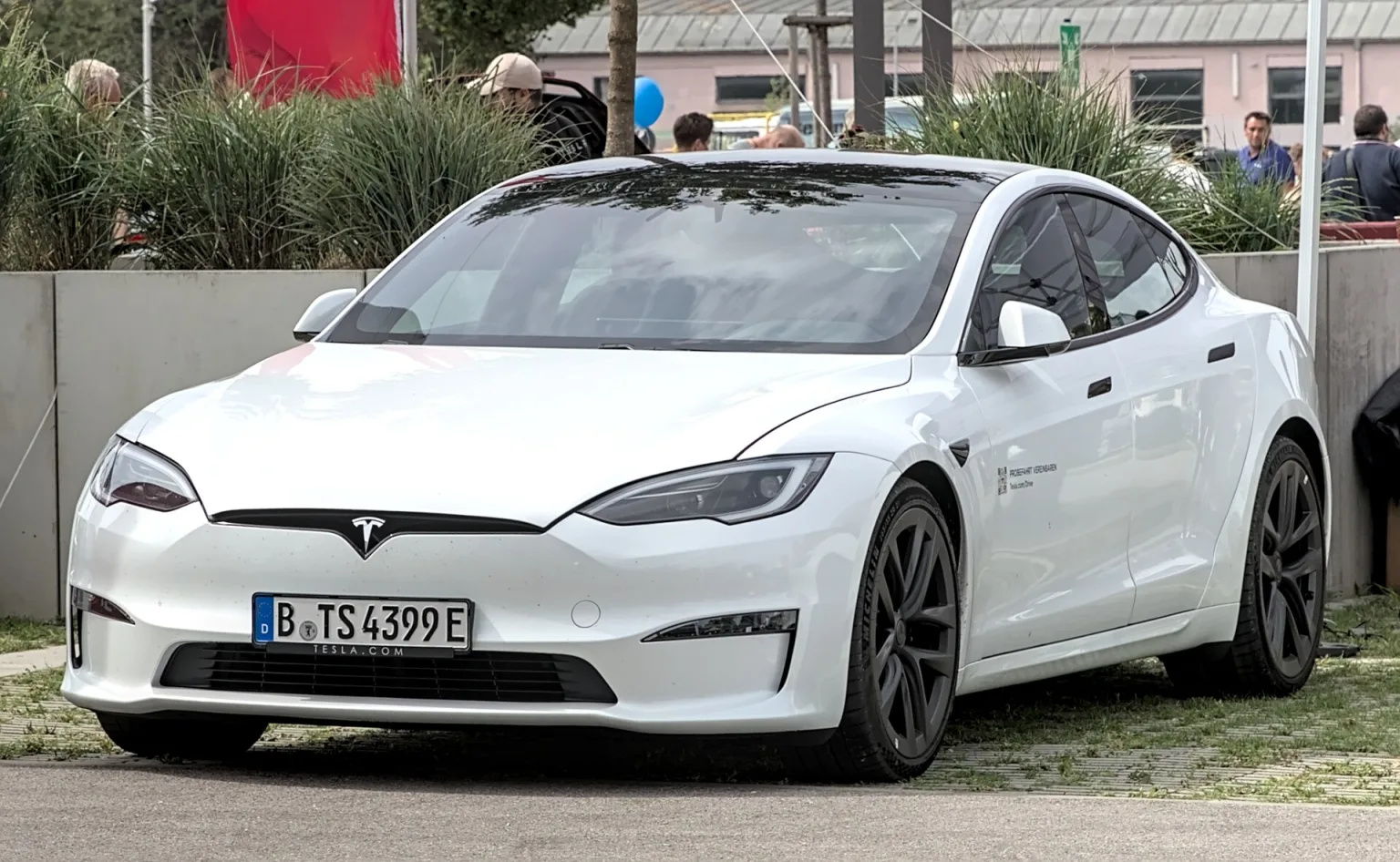
The Model S, produced at Tesla’s Fremont, California plant, had been on sale for less than a year at the time of the crash. The car is a full-size electric saloon available in several battery and powertrain configurations. Early versions included a rear-wheel drive layout and single-speed transmission, with battery options such as 60 kWh and 85 kWh, and power outputs ranging from 302 to 420 horsepower depending on the model.
| Battery options | 60 kWh or 85 kWh |
|---|---|
| Power output | 302–420 hp (225–310 kW) |
| Torque | 430–600 Nm |
| Drive layout | Rear-wheel drive |
| Transmission | Single-speed fixed gear |
At the time, the Model S was gaining attention for its performance and electric range. The car was marketed as a high-tech alternative to traditional luxury saloons, with an emphasis on acceleration, handling, and zero-emission driving. Tesla’s design placed much of the battery weight low in the chassis, contributing to stability and a low centre of gravity. The Model S was also notable for its minimalist interior, large touchscreen interface, and over-the-air software updates.
Incidents involving high-performance vehicles in public places were not uncommon, especially as electric cars with instant torque became more widespread. Similar accidents involving pedal confusion have been reported with both conventional and electric cars. In parking situations, the risk of pressing the wrong pedal is a known issue, particularly in unfamiliar or high-powered vehicles.
Safety and Aftermath
No serious injuries were reported as a result of the crash. The incident did not involve any malfunction of the Model S’s systems, according to available reports. The restaurant was temporarily closed for repairs, and the Tesla required extensive bodywork. There was no indication that Tesla investigated the car for defects related to the incident.
The Model S has undergone various safety tests and was later awarded top marks by US safety agencies. The crash in California was attributed to driver error rather than any technical fault with the vehicle. Pedal misapplication accidents are a known risk in parking situations, affecting both electric and conventional vehicles. Such incidents have led to calls for improved driver awareness and, in some cases, for manufacturers to consider additional safety features to help prevent unintended acceleration.
Pedal Confusion and Vehicle Crashes
Pedal misapplication, sometimes called pedal confusion, occurs when a driver accidentally presses the accelerator instead of the brake, or vice versa. This type of error is most common in low-speed manoeuvres such as parking or pulling away from a stop. Studies have shown that pedal confusion can affect drivers of any age, though it is more frequently reported among less experienced or elderly drivers.
In the case of the Tesla Model S crash, the high torque available from the electric motor may have contributed to the rapid forward movement once the accelerator was pressed. However, pedal confusion is a risk in all types of vehicles, regardless of whether they are powered by petrol, diesel, or electricity. Safety experts recommend that drivers take extra care during parking and low-speed manoeuvres, and some advocate for technologies such as automatic emergency braking or pedal misapplication mitigation systems to reduce the likelihood of such incidents.
The 2013 Tesla Model S restaurant crash in California remains a reminder of the importance of driver attention and familiarity with vehicle controls, especially as new technologies and high-performance cars become more common on public roads.