Tesla Fremont Plant Hits Full Output as Model S Demand Surges
Tesla’s Fremont, California facility is running at its current production limit, with Model S orders filling the 20,000-unit annual capacity and wait times stretching up to six months.
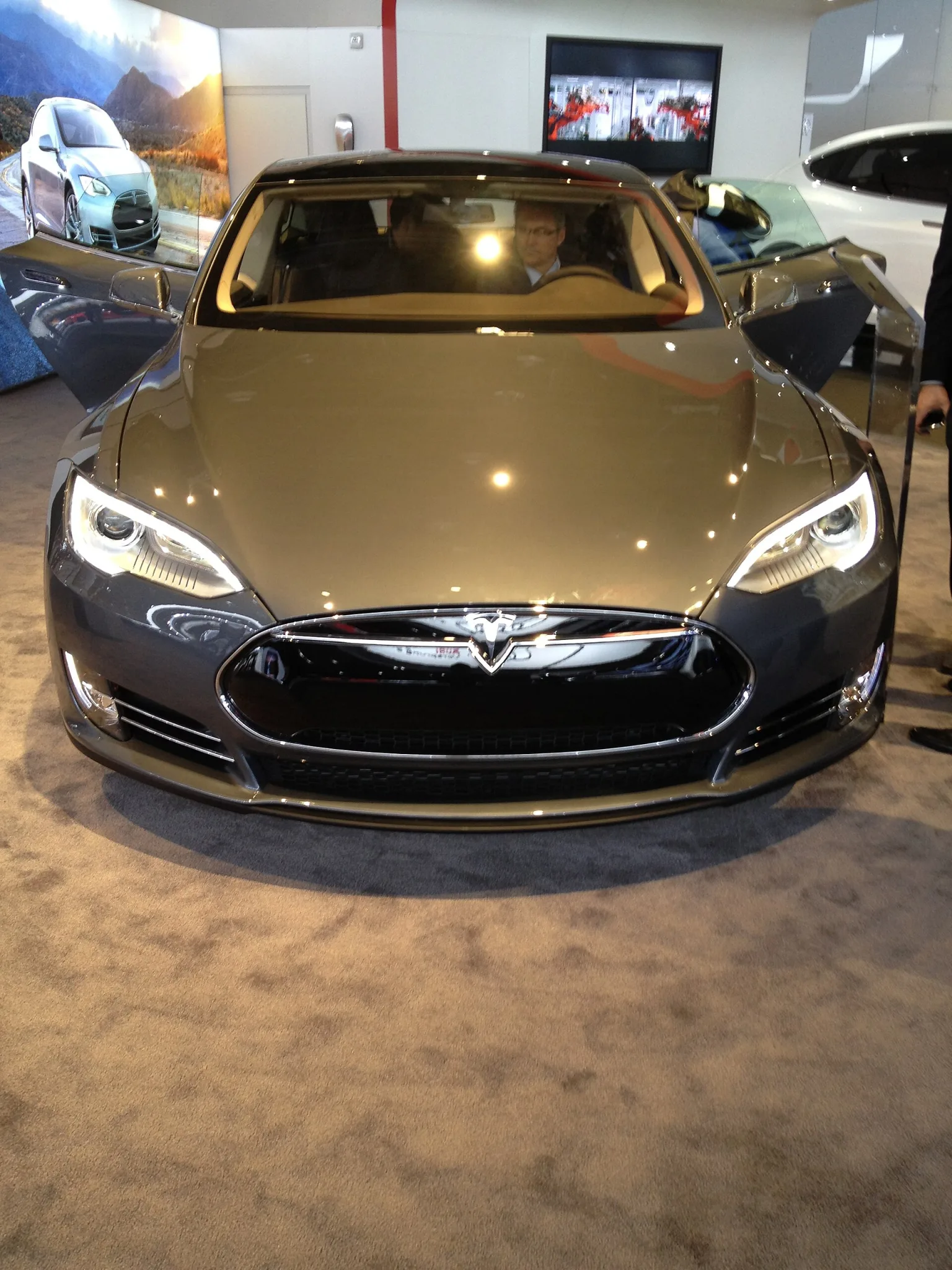
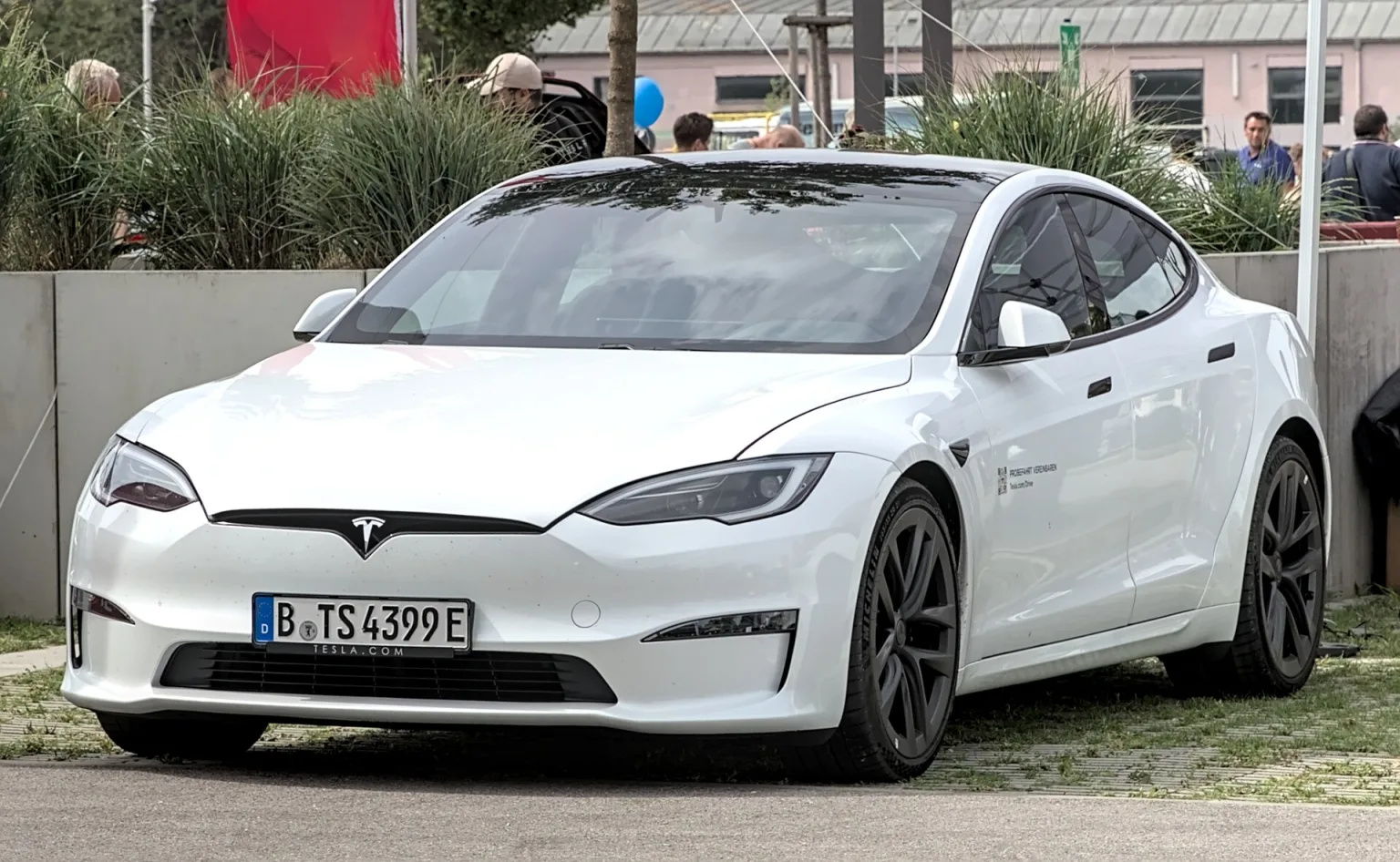
Tesla’s Fremont plant in California is operating at its present capacity, with Model S production filling the 20,000-vehicle annual limit for 2013. The company’s director of Model S programs, Jerome Guillen, confirmed that strong demand for the electric saloon has extended customer wait times to between four and six months, depending on specification.
Until January 2013, Tesla had only been delivering Model S units fitted with the 85 kWh battery pack, the highest-capacity option. The company has now begun assembling vehicles with the lower-priced 60 kWh battery, broadening its offering to customers. Tesla has not released official figures for orders or deliveries, citing regulatory restrictions, but company statements and independent tracking suggest the order book is full for the year’s planned production.
Order backlog and customer wait times
At the end of the third quarter in 2012, Tesla reported 13,000 Model S orders. According to Guillen, this number rose significantly by early 2013, though precise figures remain undisclosed. Industry observers and members of the Tesla Motors Club have tracked reservation numbers, option selections and VIN assignments, indicating that all 20,000 vehicles scheduled for 2013 production have been reserved.
Capacity constraints and future production
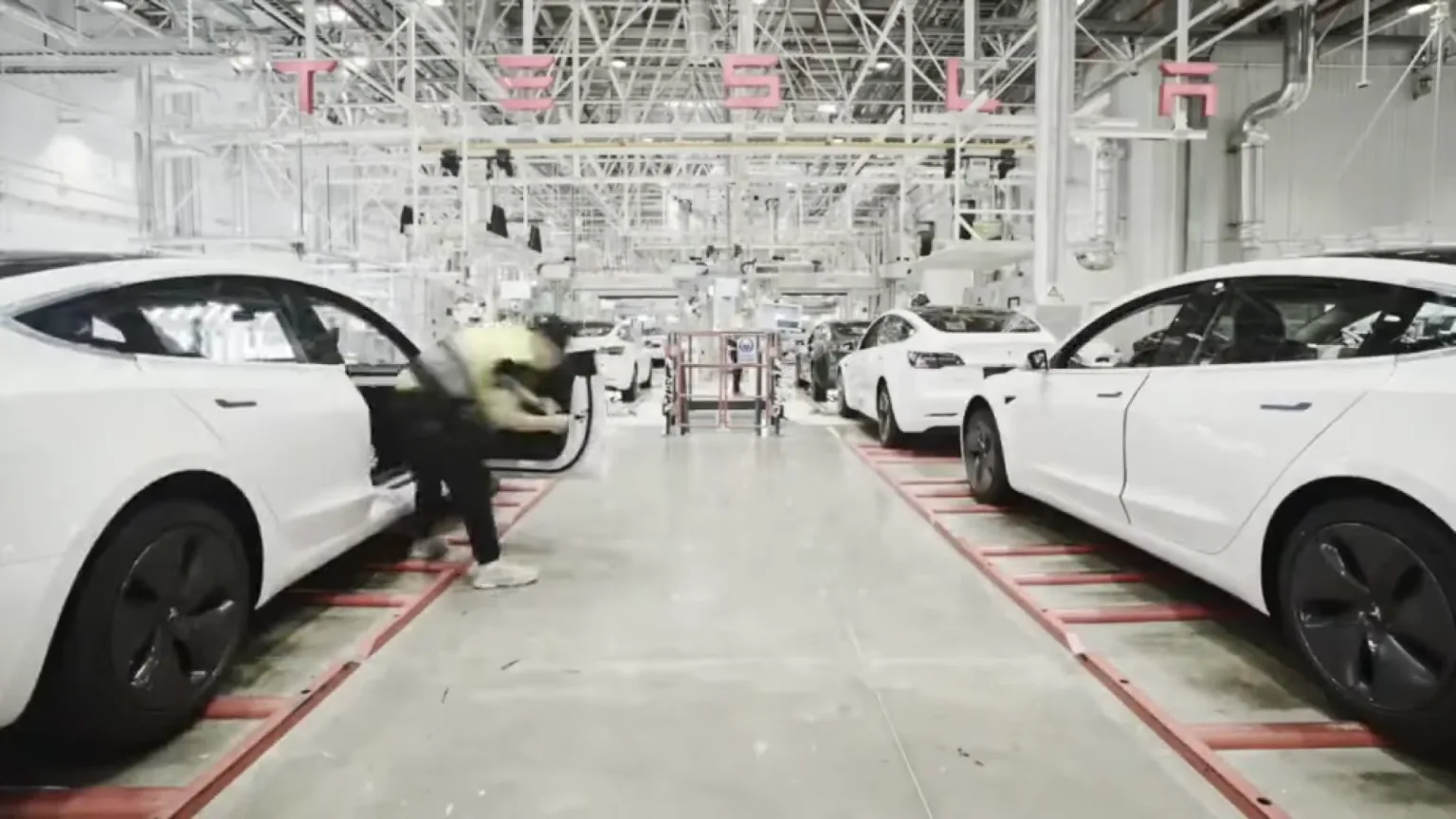
The current Model S production line at Fremont is running a single shift, with capacity for 20,000 vehicles per year. The line is designed to support up to three shifts, which could theoretically raise output to 60,000 units annually. The plant itself, inherited from the former NUMMI joint venture, is physically capable of much higher output, but Tesla’s production is limited by current demand, workforce and supply chain maturity.
Buyers placing new orders in early 2013 face delivery times of four to six months, depending on the chosen battery pack and options. The company’s decision to expand production to include the 60 kWh variant is aimed at broadening the appeal of the Model S and reducing the entry price, but the waiting list remains substantial.
What it means for Tesla and buyers
For Tesla, operating the Fremont plant at full capacity is a milestone for a manufacturer still scaling up from low-volume production. For buyers, the extended wait times reflect both demand and the realities of ramping up a new vehicle and manufacturing process. The company has indicated that more detailed production and delivery figures will be released in February, in line with SEC reporting requirements.
Tesla’s experience at Fremont highlights the challenges of balancing strong demand with production constraints, a situation familiar to many fast-growing manufacturers. The next steps for the company will likely involve increasing shifts and investing in capacity as Model S and future models attract more orders.