Mitsubishi Space Star 1.0 MT: City Car Focuses on Comfort, Not Pace
Mitsubishi’s Space Star 1.0 MT offers practical city transport and low running costs, but buyers should weigh its modest performance and real-world fuel economy before making a decision.
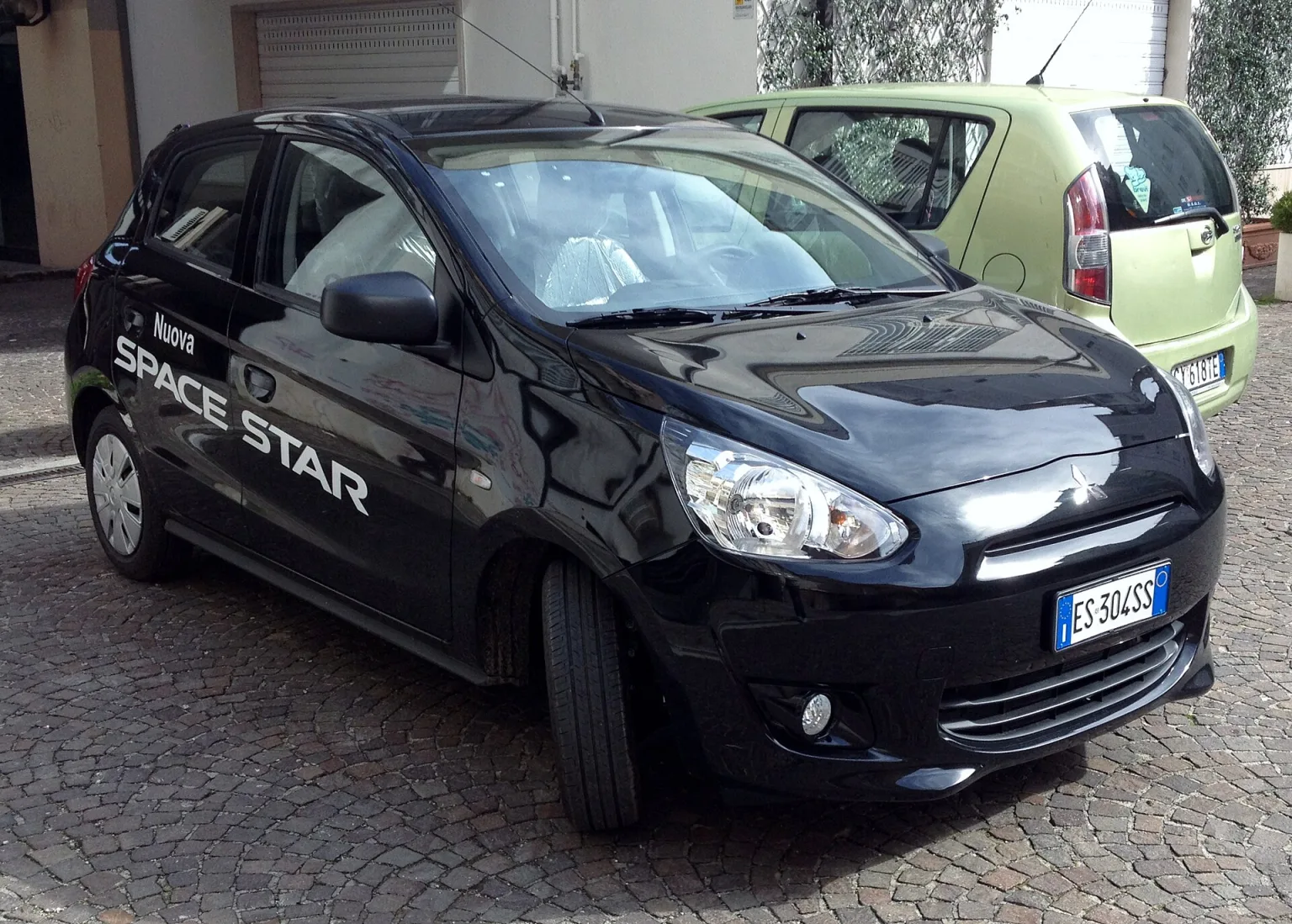
Mitsubishi’s Space Star 1.0 MT entered European showrooms in 2013, positioned as an affordable, compact city car. With its 1.0-litre three-cylinder petrol engine and manual gearbox, the Space Star aims to deliver low running costs and easy urban manoeuvrability. In practice, though, its performance and real-world consumption figures may not match the promise on paper.
Engine and performance in daily use
The Space Star’s 999cc engine produces 71hp at 6,000rpm and 88Nm of torque at 5,000rpm. On paper, these figures place it squarely in the territory of other entry-level city cars. The five-speed manual gearbox is light and direct, making for easy shifts in traffic. However, the engine’s limited torque means progress is slow, especially with the air conditioning running or when carrying passengers. Mitsubishi’s claimed 0-100km/h time of 13.6 seconds feels optimistic in real-world conditions, where the car can struggle to keep pace with traffic from a standstill.
The Space Star is front-wheel drive and, like many in its class, prioritises efficiency over outright speed. The engine’s character suits gentle city driving but can feel strained on inclines or when merging onto faster roads. The gearbox itself is a strong point, offering a positive action that stands out among budget rivals.
Fuel economy: official figures versus reality
Mitsubishi advertises a combined fuel consumption of 4.0L/100km for the Space Star 1.0 MT, with 4.6L/100km in city driving and 3.6L/100km on the open road. In practice, actual consumption can be considerably higher. Urban use, especially with the air conditioning engaged and typical traffic conditions, can push the average closer to 8.7L/100km. On the motorway, consumption above 6L/100km is possible at 100km/h with the AC on. Achieving the official figures requires a light right foot and steady speeds well below the legal limit.
Cabin comfort and equipment
Inside, the Space Star offers decent comfort for a car of its size. The seats are well-cushioned and supportive enough for city journeys, though side bolstering is minimal. The dashboard layout is simple, with controls where expected and enough storage spaces for daily clutter. Equipment in the 1.0 MT includes single-zone air conditioning, an AUX input, front electric windows, electric mirrors and a trip computer. The materials are predominantly dark plastics, but the overall design is more appealing than some direct competitors, such as the Nissan Micra of the same era.
Practicality is helped by features like door pockets that fit small bottles and cup holders ahead of the gear lever. The lack of a front armrest is a notable omission, and rear seat space is limited, as expected in this segment. The stop/start system is present but disables itself if the air conditioning is set to higher speeds.
Ride, handling and safety
The Space Star shares its platform with the Nissan Micra, which brings benefits for ride comfort and handling. The suspension is tuned for urban roads, soaking up bumps and potholes better than some rivals. Steering is light and accurate at city speeds. While not intended for spirited driving, it feels secure and predictable in typical use.
Safety was an area of focus compared with the previous generation, which only achieved a three-star Euro NCAP rating. Mitsubishi aimed for a higher result with the Space Star, though buyers interested in the safest options should consult the latest Euro NCAP tests for the segment. For more on recent safety ratings, see Mercedes-Benz A-Class awarded five stars in 2013 Euro NCAP tests.
Verdict: Who should consider the Space Star?
- Buyers prioritising low purchase price and simple, reliable running gear
- Drivers needing a comfortable, compact car for short city journeys
- Those willing to accept modest performance and real-world fuel economy that may exceed official figures