Renault Megane GT Line blends RS chassis with diesel efficiency
The Megane GT Line adopts the Renaultsport Megane’s chassis and pairs it with a 1.6 dCi diesel, offering a mix of dynamic handling and strong fuel economy.
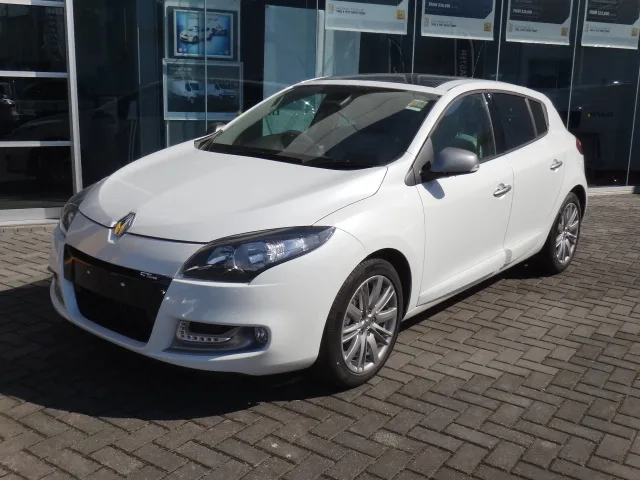
Renault’s Megane GT Line set out to combine the sharper chassis from the Megane RS with the efficiency of the brand’s 1.6-litre dCi diesel engine. The result is a C-segment hatchback that aims to deliver both dynamic handling and everyday usability, without the running costs of a full Renaultsport model.
Engine and transmission
The 1.6 dCi engine in the GT Line produces 130hp and 320Nm of torque, delivered through a six-speed manual gearbox. Renault’s start/stop system is standard and helps keep official fuel consumption at 4.0 litres per 100km. The diesel’s strong mid-range torque suits relaxed driving and motorway cruising, but the engine’s character is typical of its type: it prefers lower revs and brisk gear changes, especially when overtaking. The manual gearbox is shared with other Renault and Nissan models, offering a positive shift, though some drivers may prefer an automatic option, which was not available on this generation of the GT Line.
Chassis and ride
The GT Line’s main technical distinction is its use of the Megane RS chassis. This brings firmer suspension, sharper steering and a lower driving position than standard Megane models. The steering is direct, and the chassis is capable of carrying speed through corners with confidence. Traction control can be switched off for those seeking a livelier drive, though the front-wheel drive layout means understeer can appear if pushed hard. The ride remains comfortable enough for daily use, but the chassis tuning does encourage enthusiastic driving. Sports seats provide good side support, adding to the sense of control behind the wheel.
Fuel economy in real conditions
Renault claims a combined fuel consumption of 4.0 l/100km for the Megane GT Line. In steady motorway driving at 80–90km/h, the trip computer can show figures just above 3.0 l/100km. At higher speeds with climate control and other electrical loads, consumption rises to around 5.6 l/100km, which remains competitive for the segment. Urban driving with the stop/start system engaged keeps figures around 7.0 l/100km. Disabling stop/start and adopting a more aggressive style can push that towards 8.5 l/100km. Overall, the GT Line delivers on its promise of strong real-world economy.
Interior and equipment
Inside, the GT Line features sports seats trimmed in leather and fabric, a TomTom navigation system operated by a central joystick, and a Bose premium audio setup. The cabin layout is functional, with all major controls within easy reach. Dual-zone climate control and heated front seats are included. Practicality is mixed: rear legroom is tight for taller passengers, and front cupholders are limited. The rear-view camera can struggle in wet weather, and the rain-sensing wipers are inconsistent in operation. Despite these niggles, the GT Line’s interior offers a good mix of comfort and equipment for the price.
How it compares and who it suits
The Megane GT Line’s appeal lies in its balance of sporty handling and fuel efficiency. Buyers wanting the full RS experience will still need to step up to the dedicated Renaultsport model, but the GT Line offers much of the chassis feel with lower running costs. Those prioritising performance may find the diesel’s power delivery less engaging, especially at high revs, but for drivers covering longer distances or seeking a practical daily car with a sporting edge, it makes a strong case.
- Chassis and suspension from Megane RS
- 130hp 1.6 dCi diesel with strong mid-range torque
- Impressive real-world fuel economy
- Well-equipped interior with navigation and premium audio
- Limited rear legroom and some ergonomic quirks
For those interested in the Megane’s evolution, the GT Line’s chassis roots can be traced directly to the Renaultsport models, as covered in our report from the 2017 Frankfurt Motor Show: /2017-frankfurt-motor-show-live-renault-megane-rs.