Ford’s Moving Assembly Line Turns 100 Years Old
A century after Ford’s Highland Park plant revolutionised car manufacturing, the moving assembly line remains the backbone of global automotive production.
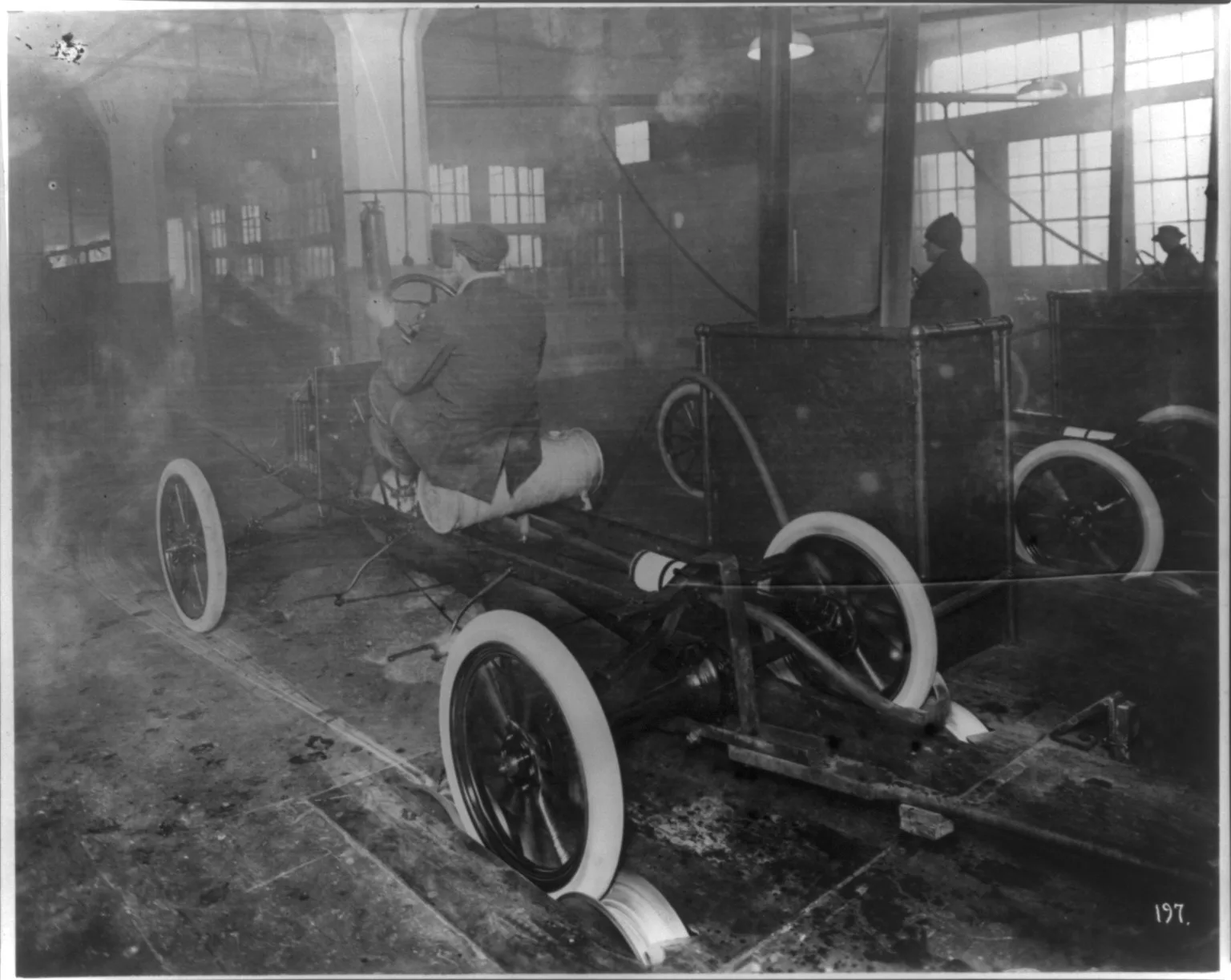
Ford’s Highland Park plant in Michigan launched the world’s first moving car assembly line 100 years ago today, setting in motion a manufacturing revolution that would transform not only the car industry but mass production across the globe.
The first moving assembly line for the Model T began operating on 7 October 1913. Using a simple winch and rope, Ford workers at Highland Park guided chassis down a line, with each of 140 men performing a single, repeatable task. This approach slashed the time needed to assemble a Model T from more than 12 hours to about 90 minutes. It also meant Ford could produce far more cars, much more cheaply.
The impact was immediate. Within five years, the price of a Model T dropped from $600 to $360. Car ownership in the United States soared, and the company’s production capacity outstripped anything that had come before. The Model T’s affordability is often credited with putting America on wheels, but the underlying story is one of industrial process rather than product innovation.
A new era for factory work
The moving line’s introduction created huge numbers of jobs, as Ford and other manufacturers raced to scale up. At the same time, it rendered some traditional skills redundant, as the process required less craft and more repetition. The line’s influence rapidly spread beyond the car industry, shaping production in everything from aircraft to consumer goods.
Ford did not invent the concept of interchangeable parts, which made the assembly line possible. That credit goes to earlier innovators such as Cadillac founder Henry Leland. But Ford was the first to apply the idea at scale, and to drive down costs to the point where the car became a consumer product rather than a luxury item.
Assembly lines today
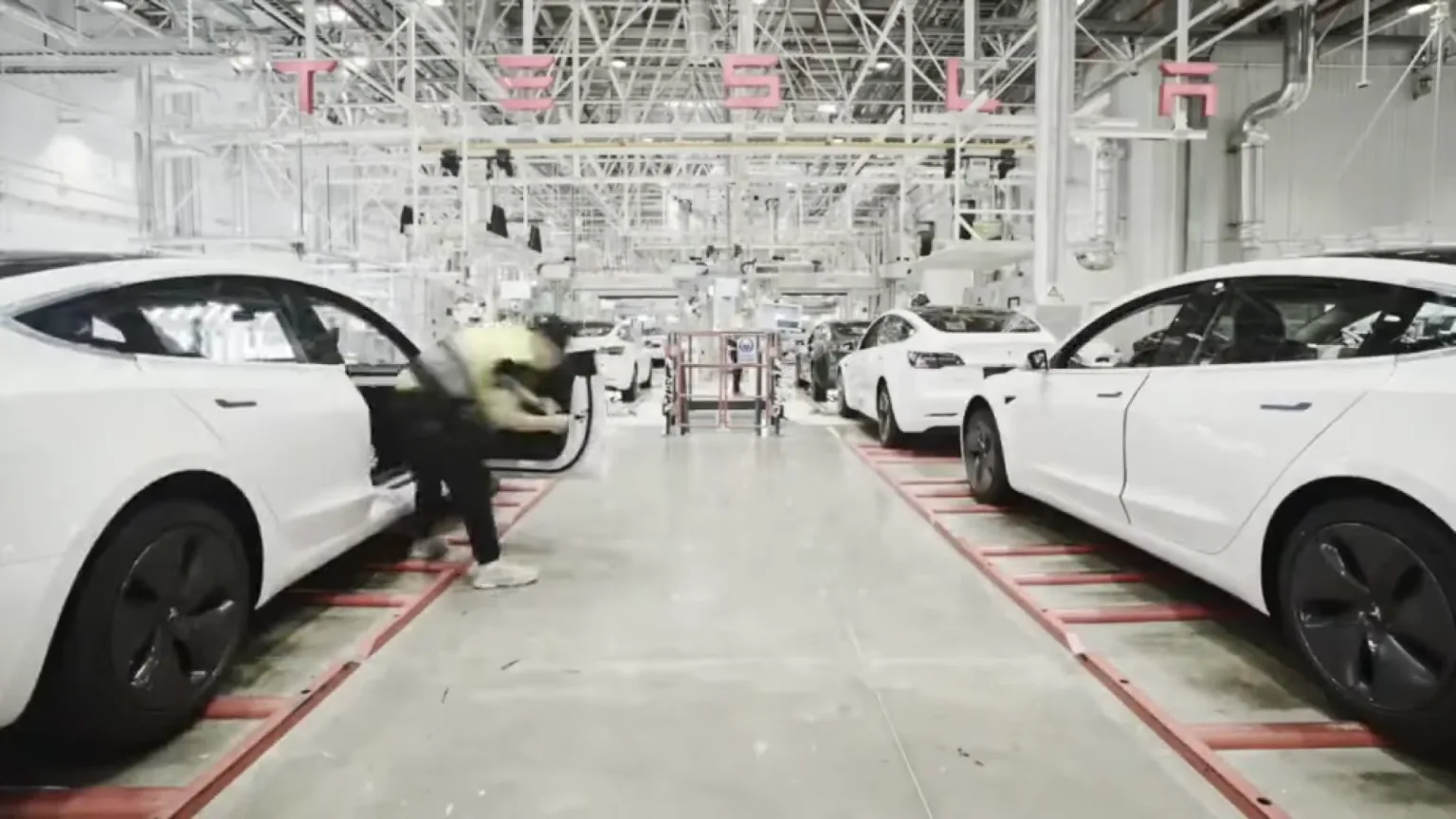
A century on, the fundamentals of the moving line remain, but technology has brought major changes. Modern plants blend robotics with human labour. Robots handle repetitive, precise welding and painting, while people take on tasks that require dexterity, judgement or adaptation. Increasingly, plants are designed for flexibility, with lines able to switch between different models or even powertrains as demand shifts.
At Ford’s Michigan Assembly Plant, for example, the same line can produce the Focus compact, the all-electric Focus, the Focus ST, and both hybrid and plug-in hybrid versions of the C-Max. This flexibility would have been unthinkable in 1913, but the principle remains: break down complex work into repeatable steps, and use the line to bring the work to the worker.
The moving assembly line’s centenary marks more than an industrial anniversary. It is a reminder of how a single process innovation can reshape entire industries and societies. Even as automation and digital control transform factories, the core idea that began at Highland Park still underpins how most of the world’s cars are built.