BMW unveils new 7-Series with lighter body and advanced tech
The latest BMW 7-Series arrives with a lighter chassis, new engine options including a plug-in hybrid, and a high-tech interior aimed at challenging the Mercedes S-Class.
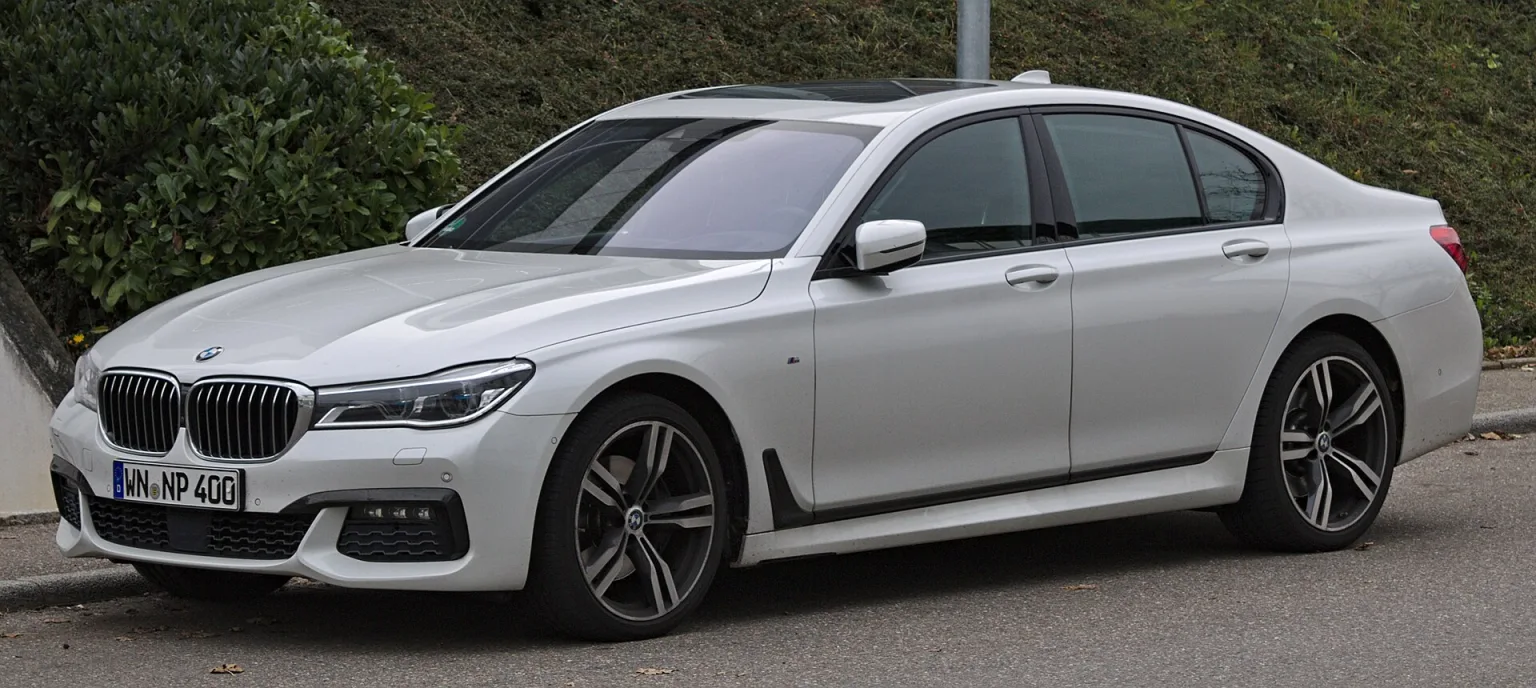
BMW has officially revealed its new 7-Series, introducing a lighter construction, updated powertrains and a technology-focused interior as it looks to sharpen its challenge to the Mercedes-Benz S-Class. The new generation, available in both standard and long-wheelbase forms, is the largest series-produced car BMW has built, with lengths of 5,098mm and 5,238mm respectively.
Weight savings are a central theme. BMW claims the new 7-Series is up to 130kg lighter than its predecessor, thanks to a mix of carbon-fibre-reinforced plastic (CFRP), aluminium and high-strength steel in the body structure. This reduction is intended to improve both efficiency and handling, while maintaining the comfort and refinement expected in a flagship saloon.
Engine range and performance
The new 7-Series launches with a range of petrol, diesel and plug-in hybrid engines. The flagship 750i xDrive uses a 4.4-litre V8 petrol engine delivering 450hp and 650Nm, enabling 0-100km/h in 4.4 seconds. The six-cylinder 740i offers 326hp from its 3.0-litre engine, while the 730d and 730d xDrive diesels use a 3.0-litre inline-six with 265hp and 620Nm. All models are limited to a top speed of 250km/h.
A new 740e plug-in hybrid joins the line-up, combining a 2.0-litre four-cylinder petrol engine with an electric motor for a system output of 326hp. BMW quotes a 0-100km/h time of 5.6 seconds and an electric-only range of up to 40km, with a claimed average fuel consumption of 2.1L/100km. This model is available in both rear-wheel drive and xDrive all-wheel drive configurations.
| Model | Engine | Power (hp) | Torque (Nm) | 0-100km/h (s) | Fuel consumption (L/100km) |
|---|---|---|---|---|---|
| 750i xDrive | 4.4L V8 petrol | 450 | 650 | 4.4 | 8.3–8.1 |
| 740i | 3.0L I6 petrol | 326 | 450 | 5.5 | 7.0–6.6 |
| 730d | 3.0L I6 diesel | 265 | 620 | 6.1 | 4.9–4.5 |
| 730d xDrive | 3.0L I6 diesel | 265 | 620 | 5.8 | 5.2–4.8 |
| 740e (hybrid) | 2.0L I4 petrol + electric | 326 | 400 (petrol) + 250 (electric) | 5.6 | 2.1 |
Design and technology features
The exterior design follows BMW’s latest family look, with a prominent kidney grille, slim headlamp units and a sloping roofline. BMW Laserlight is available as an option, while LED tail lamps are linked by a full-width chrome bar. Wheel sizes up to 21 inches are offered, and buyers can specify the M Sport package or BMW Individual paint finishes.
Inside, the 7-Series introduces new control and display elements, including a slimmer gear selector, updated graphics for the central display, and a multifunction steering wheel. Standard Dakota leather is joined by optional Exclusive Nappa leather in six colours. Four-zone climate control, extended use of wood and aluminium trims, and a suite of driver assistance systems are standard or available, depending on model.
Market context and rivals
The new 7-Series positions itself directly against the Mercedes-Benz S-Class in the luxury saloon segment, with a focus on technology and driving dynamics. BMW’s use of lightweight materials and the introduction of a plug-in hybrid variant reflect wider trends in the executive market, as seen in the latest BMW 5 Seriesand BMW 3 Series. The 7-Series’ hybrid system and advanced interior tech are clear responses to rival offerings from Mercedes and Audi.
Deliveries of the new BMW 7-Series are set to begin later in 2015, with full UK specifications and pricing to follow. The model’s mix of reduced weight, updated engines and new interior features is aimed at maintaining BMW’s position in the competitive luxury saloon market.