Toyota targets tenfold growth in hydrogen car output post-2020
Toyota is investing in new Japanese facilities to scale up fuel cell stack and hydrogen tank production, aiming for at least 30,000 fuel cell vehicles annually after 2020.
Toyota has set out plans to increase its global production of hydrogen fuel cell vehicles to at least 30,000 units a year after 2020, a tenfold jump from the 3,000 units it was producing in 2017. The company is investing in new facilities in Japan to mass-produce fuel cell stacks and high-pressure hydrogen tanks, which are core to scaling up output and reducing costs.
A new eight-storey building at the Honsha Plant in Toyota City will handle fuel cell stack production, replacing the smaller-scale line in an existing facility. The plant sits near the site of Toyota’s first car factory, opened in 1938. Meanwhile, a new line for high-pressure hydrogen tanks is being installed at the Shimoyama Plant in Miyoshi City. These tanks, made from extra-thick carbon fibre, are designed to withstand major impacts and will be produced at a much greater scale than before.
Both facilities are expected to help lower the cost of fuel cell systems and reduce CO2 emissions during production, supporting Toyota’s wider environmental goals under its Challenge 2050 initiative. Construction on the hydrogen tank line began in 2018, while the exterior of the stack facility was completed with interior work following. Operations at both sites were targeted for around 2020.
Sales targets and market expansion
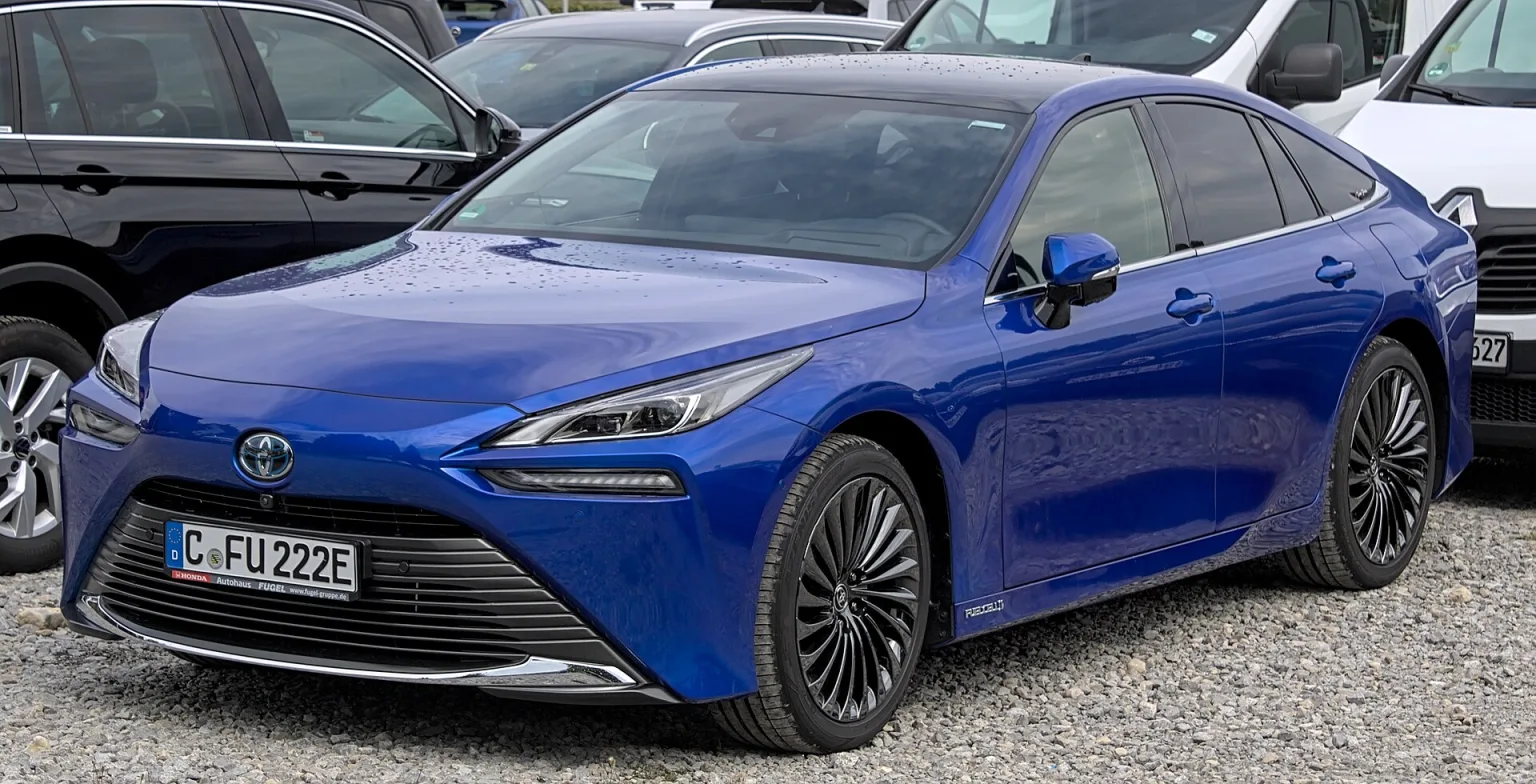
Toyota’s Mirai, the world’s first mass-produced fuel cell saloon, launched in 2014. Annual sales have climbed steadily, from 700 units in 2015 to about 3,000 in 2017. The Mirai is now offered in 11 countries, including Japan, the US and nine European markets. Demonstration trials are running in Australia, Canada, China and the UAE to assess demand and support hydrogen infrastructure development.
In Japan, Toyota is targeting monthly sales of at least 1,000 fuel cell vehicles, or more than 10,000 annually, from 2020. The company plans to expand Mirai availability beyond the current four metropolitan areas to reach more customers. Internationally, Toyota is preparing to broaden its FCEV sales footprint as infrastructure and demand grow.
Commercial vehicles and infrastructure
Beyond passenger cars, Toyota is scaling up fuel cell buses. The Sora, its production fuel cell bus, was introduced to the Tokyo Metropolitan Government in 2018. Toyota aimed to supply at least 100 fuel cell buses ahead of the Tokyo 2020 Olympic and Paralympic Games. The company is also working with partners to expand hydrogen refuelling infrastructure and build a low-carbon hydrogen supply chain, recognising that infrastructure is critical for broader adoption.
- Eight-floor fuel cell stack facility at Honsha Plant (approx. 70,000 m²).
- Dedicated hydrogen tank line at Shimoyama Plant (approx. 15,000 m²).
- Mirai FCEV sold in Japan, US, and nine European countries.
Reducing costs and broadening the range
Toyota’s strategy includes expanding its FCEV product line and working to lower costs through higher production volumes and improved manufacturing processes. The company has also made its fuel cell patents available to competitors, aiming to stimulate industry-wide investment and accelerate the development of hydrogen-powered vehicles. This move is intended to help overcome the current challenges of limited infrastructure and high costs, and to support the transition to a hydrogen-based society.
Toyota’s investment in mass production facilities marks a decisive step towards making hydrogen cars a mainstream option, but success will depend on infrastructure growth and consumer acceptance in key markets.