Toyota launches Aqua hybrid in Japan with class-leading fuel economy
The Toyota Aqua, also known as Prius C, has gone on sale in Japan, targeting younger buyers with a lower price and exceptional fuel efficiency.
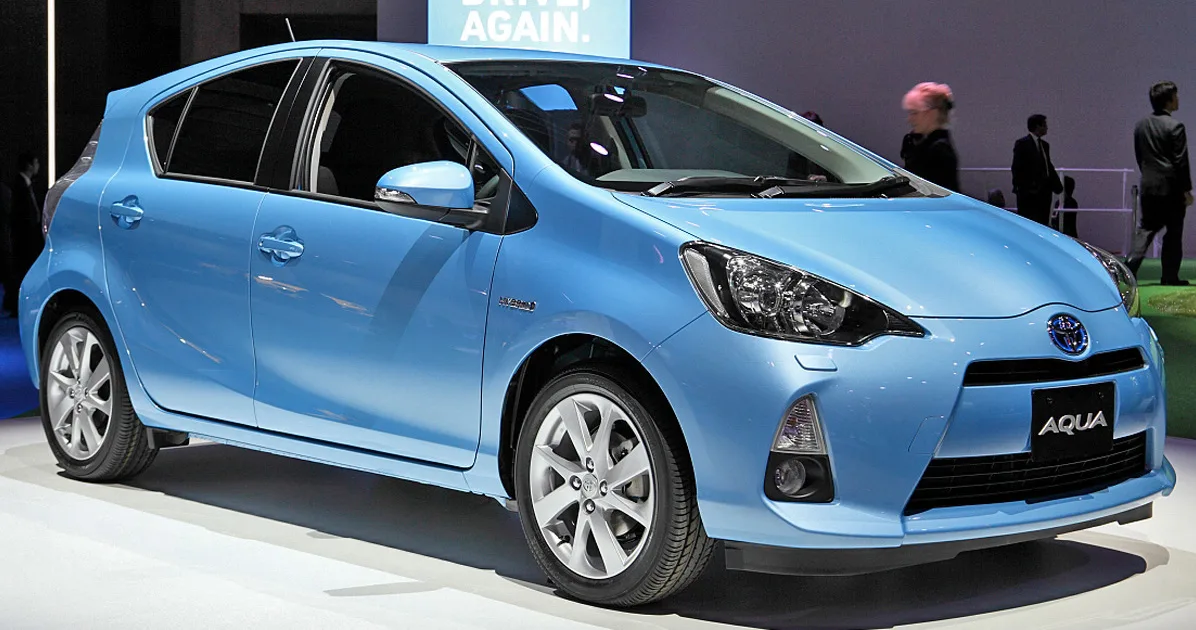
Toyota has introduced its new Aqua hybrid, also known as the Prius C, to the Japanese market. The compact hatchback joins the brand’s hybrid line-up as a more affordable alternative to the standard Prius, with a clear focus on younger buyers and those seeking lower running costs.
Toyota Aqua Hybrid Launches in Japan
Hybrid System and Efficiency
The Aqua is powered by a hybrid system delivering a combined 100 horsepower. Toyota quotes an official fuel consumption figure of 35.4 kilometres per litre, equivalent to roughly 2.8 litres per 100 kilometres. This gives the Aqua a lower fuel consumption than the standard Prius, which is rated at 32 kilometres per litre. The Aqua’s efficiency is intended to appeal to buyers prioritising low running costs and environmental performance.
The hybrid system in the Aqua combines a 1.5-litre petrol engine with an electric motor, using Toyota’s Hybrid Synergy Drive technology. This system allows the car to operate in electric-only mode at low speeds and seamlessly switch between petrol and electric power as needed. The compact battery pack is positioned under the rear seat to maximise interior space and maintain a low centre of gravity, contributing to stable handling and practicality for daily use.
Positioning and Pricing
Toyota has set the starting price for the Aqua at $21,700 in Japan. The company aims to sell 12,000 units per month on the domestic market. By pricing the Aqua below the standard Prius, Toyota is targeting customers for whom the larger, more expensive Prius is out of reach, while still offering the benefits of hybrid technology. The Aqua is expected to compete directly with Honda’s hybrid offerings for the attention of younger, urban buyers.
The Aqua’s official fuel economy of 35.4 km/l outperforms the standard Prius, which is rated at 32 km/l. This difference in efficiency is likely to be a significant factor for cost-conscious buyers, especially in urban environments where stop-start traffic can make the most of hybrid technology’s strengths.
Market Context and Toyota’s Hybrid Strategy
Toyota’s strategy with the Aqua reflects its intention to boost domestic hybrid sales after a challenging year for production, which had been disrupted by the earthquake and tsunami in March 2011 and subsequent flooding in Thailand. The company is using the Aqua to broaden its hybrid appeal and reinforce its position in the Japanese market, where hybrids are increasingly popular with urban drivers.
The launch of the Aqua is a key part of Toyota’s response to growing demand for environmentally friendly vehicles in Japan. The company has been a pioneer in hybrid technology with the Prius, and the Aqua allows Toyota to offer a hybrid option at a lower price point. This move is expected to attract first-time hybrid buyers and younger customers who may have previously considered hybrids out of reach due to cost.
Compact Hybrid for City Use
The Aqua’s compact dimensions and low fuel consumption make it well suited to city driving. The hatchback body style provides versatility, with a practical boot and flexible seating arrangement. The car’s small footprint makes it easy to manoeuvre and park in tight urban spaces, which is a major advantage for city dwellers.
While the model is engineered primarily for the Japanese market, it is also expected to serve as a reference point for Toyota’s approach to entry-level hybrids in other regions. The Aqua’s launch follows a pattern of Japanese manufacturers developing smaller, more affordable hybrids for developed markets, where demand for fuel-efficient vehicles remains high.
Competition and Broader Implications
The Aqua is positioned to compete with other compact hybrids, most notably Honda’s Fit Hybrid, which also targets urban drivers seeking efficiency and affordability. The introduction of the Aqua intensifies competition in the Japanese hybrid market, pushing manufacturers to innovate and offer better value to consumers.
For buyers considering alternatives, the Aqua’s combination of price, efficiency and Toyota’s hybrid reputation will be key selling points. The model is expected to appeal to environmentally conscious consumers and those looking to reduce their fuel expenses without sacrificing practicality. The Aqua’s success in Japan may also influence Toyota’s global hybrid strategy, potentially leading to similar models being introduced in other countries.
Summary
The Toyota Aqua’s launch marks an important step in making hybrid technology more accessible to a wider range of buyers in Japan. Its competitive pricing, impressive fuel economy, and compact design are tailored to urban lifestyles and changing consumer preferences. As Toyota continues to expand its hybrid line-up, the Aqua is likely to play a significant role in shaping the future of affordable, eco-friendly motoring both in Japan and potentially beyond.