Toyota and BMW agree to develop joint sportscar platform
The two manufacturers have confirmed a partnership to create a shared architecture for future sportscars, with each brand set to produce its own distinct model.
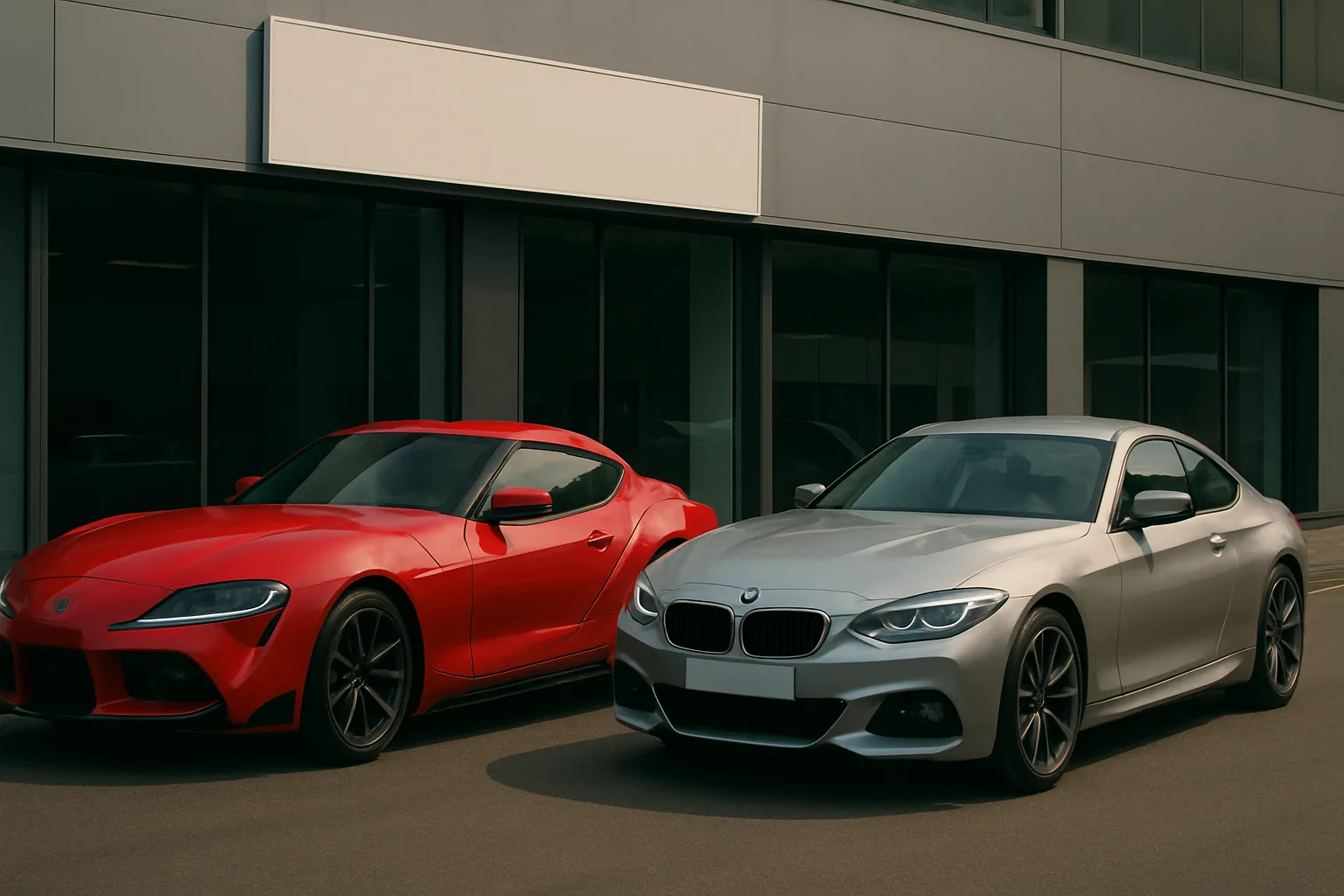
Toyota and BMW have finalised an agreement to jointly develop a new sportscar platform, with both manufacturers confirming plans to produce separate models based on the shared architecture. BMW’s Chief Development Officer, Herbert Diess, confirmed the deal in an interview published in late December 2013.
The partnership is intended to produce two distinct vehicles, each tailored to its respective brand. Diess emphasised that the resulting cars will remain authentic to Toyota and BMW, rather than badge-engineered copies. Details of the models themselves have not been officially announced, but speculation has focused on successors to the BMW Z4 and a new Toyota sports car, potentially inspired by the Lexus LF-LC concept.
What is known about the joint platform
Both companies have been working together on various projects since 2011, including fuel cell technology and lightweight materials. The sportscar platform marks the most visible product-focused collaboration to date. According to Diess, the agreement covers the underlying architecture, but each brand will handle its own design, engineering and tuning to ensure the finished products reflect their respective identities.
No technical specifications or timelines have been released. Reports have suggested the possibility of a hybrid system developed by Toyota paired with a BMW petrol engine, though neither company has confirmed such details. Internal sources cited in German media have speculated that the first car could be a high-performance hybrid, but there is no official confirmation of powertrain choices or pricing. Diess declined to comment on whether the platform would underpin the next-generation BMW Z4.
Implications for both manufacturers
The agreement gives both BMW and Toyota an opportunity to share development costs in a segment where volumes are typically low and margins tight. For Toyota, a new sportscar would fill a gap above the GT86, while BMW’s roadster range has lacked a clear successor to the current Z4. Each company’s dealers and suppliers stand to benefit from the economies of scale that a joint platform brings, though the final impact will depend on the models’ commercial success.
- BMW and Toyota have previously collaborated on fuel cell technology.
- The new sportscar platform is their first joint effort targeting enthusiast models.
- No production locations or launch dates have been announced.
Next steps and industry context
The sportscar platform agreement reflects a broader trend of technical partnerships among global carmakers, particularly for specialist models and advanced technology. Similar collaborations include the use of Porsche platforms by Lamborghini for new SUV and sedan models, as seen in recent industry developments.
Neither BMW nor Toyota has indicated when prototypes or production models will be revealed. Further announcements are expected as development progresses, but for now, both companies have confirmed only their intention to proceed with the joint sportscar project.