Toyota prepares lighter, more aerodynamic 2015 Prius
Toyota is developing the fourth-generation Prius with a focus on reduced weight and improved aerodynamics to further increase the hybrid's fuel efficiency.
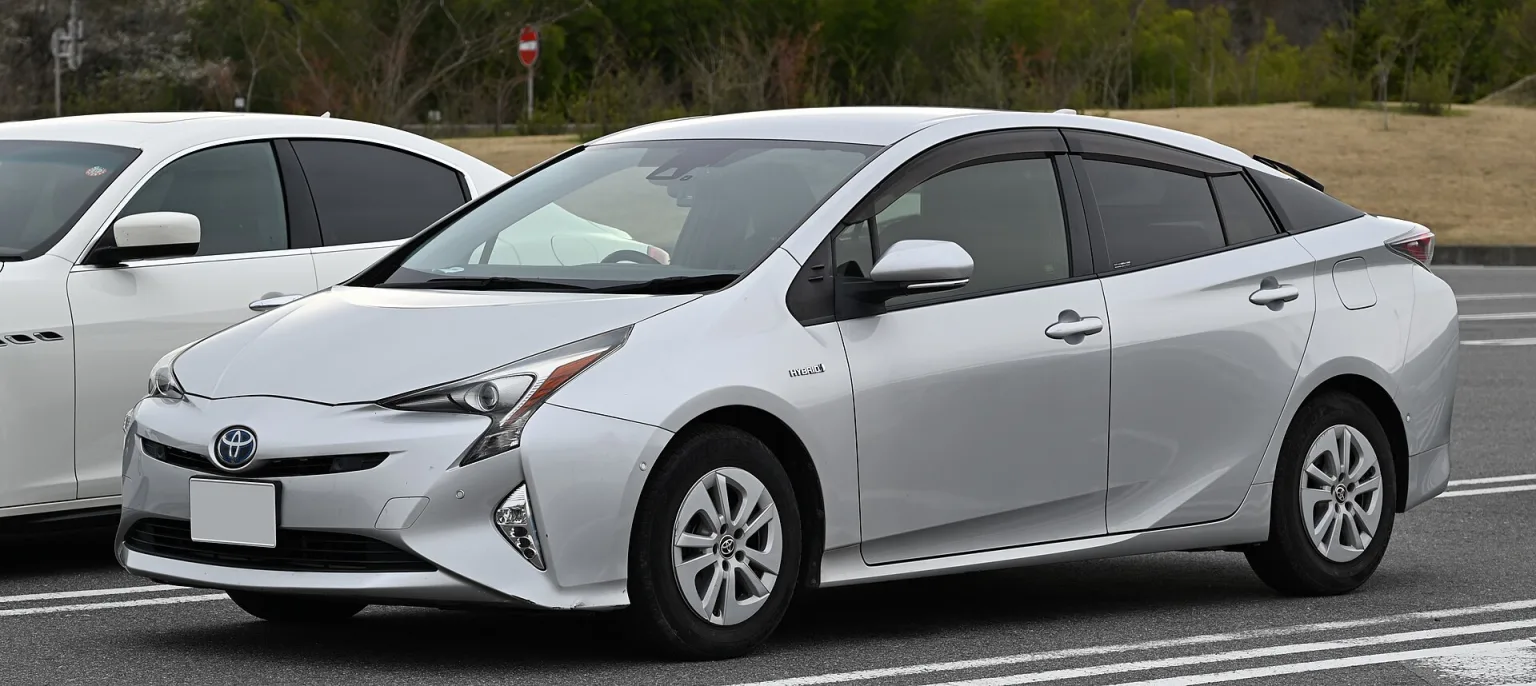
Toyota is developing the fourth-generation Prius with a lighter structure and a more aerodynamic profile, aiming to improve fuel efficiency beyond the current model's achievements. The new Prius, expected for the 2015 model year, will use a combination of lighter materials and revised bodywork as part of a wider plan to maintain the car's position as the world's best-selling hybrid.
Aerodynamics and material choices
Toyota's engineers are focusing on making the new Prius more 'slippery' to the air. This means a lower drag coefficient, achieved by reshaping the body and optimising airflow around the car. The company has also been in talks with tyre suppliers to develop lower rolling-resistance tyres, which should further reduce energy losses and help with overall efficiency.
While aluminium was initially considered for large sections of the body, Toyota opted against widespread use due to the high cost and manufacturing challenges. The current Prius V (known as Prius+ in Europe) uses an aluminium bonnet, but plans for an aluminium tailgate were dropped after the company decided the expense and complexity of deep-draw pressing could not be justified. Instead, Toyota is expected to use a mix of lighter steels and plastics, balancing cost with weight reduction.
Fuel economy targets and engineering challenges
Toyota faces diminishing returns as it seeks further fuel economy gains from the Prius. Many of the more straightforward improvements, such as hybrid system optimisation and basic weight savings, have already been achieved in previous generations. For the 2015 model, the focus shifts to incremental gains through detailed engineering, including lighter construction, improved aerodynamics and tyre technology.
The company has not confirmed specific fuel economy targets for the new Prius, but the emphasis on weight and drag reduction suggests Toyota is determined to maintain its lead among hybrid competitors. The brand's ongoing development of lower rolling-resistance tyres and efforts to negotiate with suppliers further underline the push for efficiency.
Prius in context: range and market position
The Prius has expanded into a family of models since its 1997 debut in Japan and 2000 global launch. Alongside the standard hatchback, Toyota offers the smaller Prius C and the extended Prius V. The Prius V, with its longer wheelbase and larger interior, is marketed as the Prius+ in Europe. Each variant targets a different segment, helping Toyota to broaden its hybrid customer base.
- The standard Prius hatchback: core hybrid model.
- Prius C: entry-level, smaller and more affordable.
- Prius V (Prius+ in Europe): larger, MPV-style variant.
By 2012, Toyota had sold more than 2.6 million Prius models worldwide, confirming the car's status as the most successful hybrid on the market. The upcoming 2015 model will be expected to build on this record, though Toyota's engineers face a tougher task as they chase smaller gains in efficiency.