Toyota considers European RAV4 production as SUV demand climbs
Growing sales for compact SUVs in Europe have prompted Toyota to consider local production of the RAV4, aiming to boost regional content and supply.
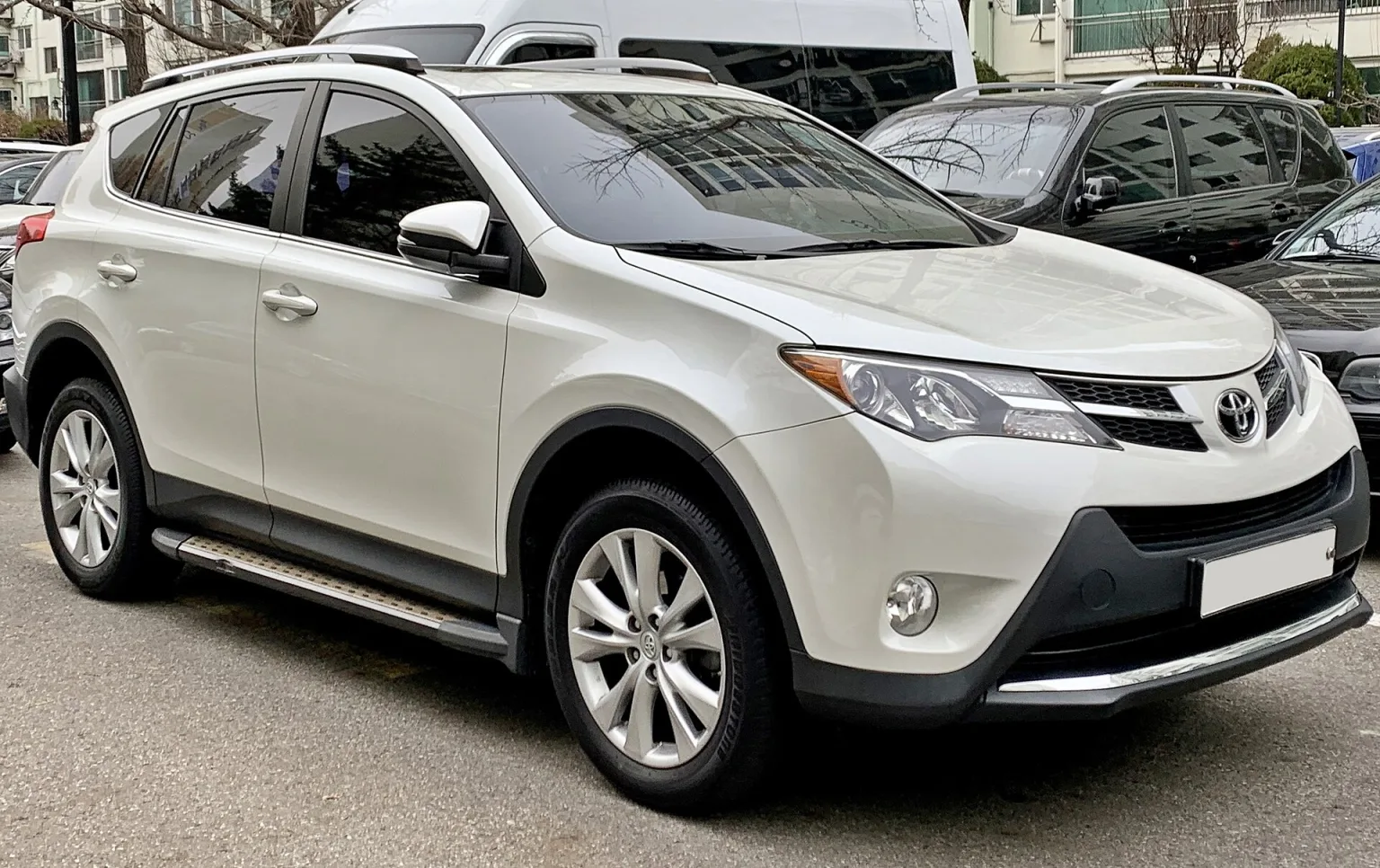
Toyota is weighing the option of manufacturing the RAV4 SUV in Europe, responding to a sharp rise in demand for compact SUVs across the region. The company said the RAV4 would be a strong candidate for local production if the segment continues its upward trend. European compact SUV sales rose 18% from 2008 to 2012, making the segment a rare bright spot in a market where many other vehicle types have faced declines.
Toyota Considers European Manufacturing for RAV4 SUV
Rising Demand for Compact SUVs in Europe
The European compact SUV market has shown significant growth in recent years. Between 2008 and 2012, sales climbed by 18%, even as other automotive segments struggled. Toyota predicts that the SUV segment will reach 1.2 million sales in 2013, up from 822,000 in 2011. This growth has encouraged automakers to pay closer attention to the segment and consider expanding their production capabilities within Europe.
Toyota has set an ambitious target for the RAV4, aiming to sell 100,000 units in Europe in 2013. If achieved, this would represent about 9% of the total segment, underlining the importance of the RAV4 in Toyota’s European strategy. The company’s forecast and sales goals reflect a strong belief in the continued expansion of the compact SUV market.
Current Toyota Production Footprint
At present, the RAV4 is manufactured at four plants located in Canada, China and Japan. None of these facilities are in Europe, which means that all RAV4s sold in the region must be imported. This arrangement can lead to higher shipping costs, longer delivery times and exposure to currency fluctuations. Localising production would help Toyota address these issues and better serve European customers.
Jon Williams, president and managing director of Toyota GB, has highlighted the company’s goal of having 75% of the vehicles it sells in Europe also built within the region. Achieving this target would also involve sourcing 90% of components locally. Such localisation is seen as a strategic move to strengthen Toyota’s presence in Europe and to align with consumer and regulatory preferences for vehicles produced closer to home.
Existing European Production and Localisation Targets
Toyota already has experience manufacturing vehicles in Europe. The Yaris, Toyota’s best-selling model in the region, is built at Valenciennes in northern France. The Auris is produced in Burnaston, UK, and the Aygo rolls off the line in Kolín, Czech Republic, through a partnership with PSA Peugeot-Citroën. These models illustrate Toyota’s commitment to local production for the European market.
- Yaris: built in Valenciennes, France
- Auris: built in Burnaston, UK
- Aygo: built in Kolín, Czech Republic (with PSA)
Expanding European production to include the RAV4 would help Toyota meet its localisation targets and provide flexibility to respond to shifts in demand. Local manufacturing also supports jobs in the region and can help Toyota manage costs and supply chain complexities more effectively.
Recent Moves and Future Prospects
Toyota has already announced plans to start RAV4 production in Russia from August, signalling a broader strategy of building vehicles closer to their intended markets. This move is consistent with Toyota’s efforts to adapt quickly to changing market conditions and to reduce the logistical challenges associated with importing vehicles from distant factories.
Producing the RAV4 in Europe would bring several benefits, including reduced shipping costs, shorter delivery times and a closer alignment with European Union preferences for locally produced vehicles. It would also help Toyota compete more effectively with rivals, many of whom are increasing their own local production in response to the growing popularity of SUVs in Europe.
SUV Sales Influence Manufacturing Decisions
The RAV4 is not the only SUV seeing increased demand in Europe. Other manufacturers have also experienced growth in this segment, leading to heightened competition and a wave of new model launches. Toyota’s decision on whether to build the RAV4 in Europe will depend on whether the current growth in SUV sales proves to be sustainable over the longer term.
If Toyota moves forward with European RAV4 production, it could further solidify the company’s position in a key segment and strengthen its ties to the European automotive industry. The outcome will hinge on market trends in the coming years and Toyota’s ongoing assessment of local demand and production capacity.