Toyota cuts manager bonuses by 20% amid US recall and losses
Toyota has announced a 20 percent reduction in manager bonuses following its large-scale US recall and a second consecutive year of financial losses.
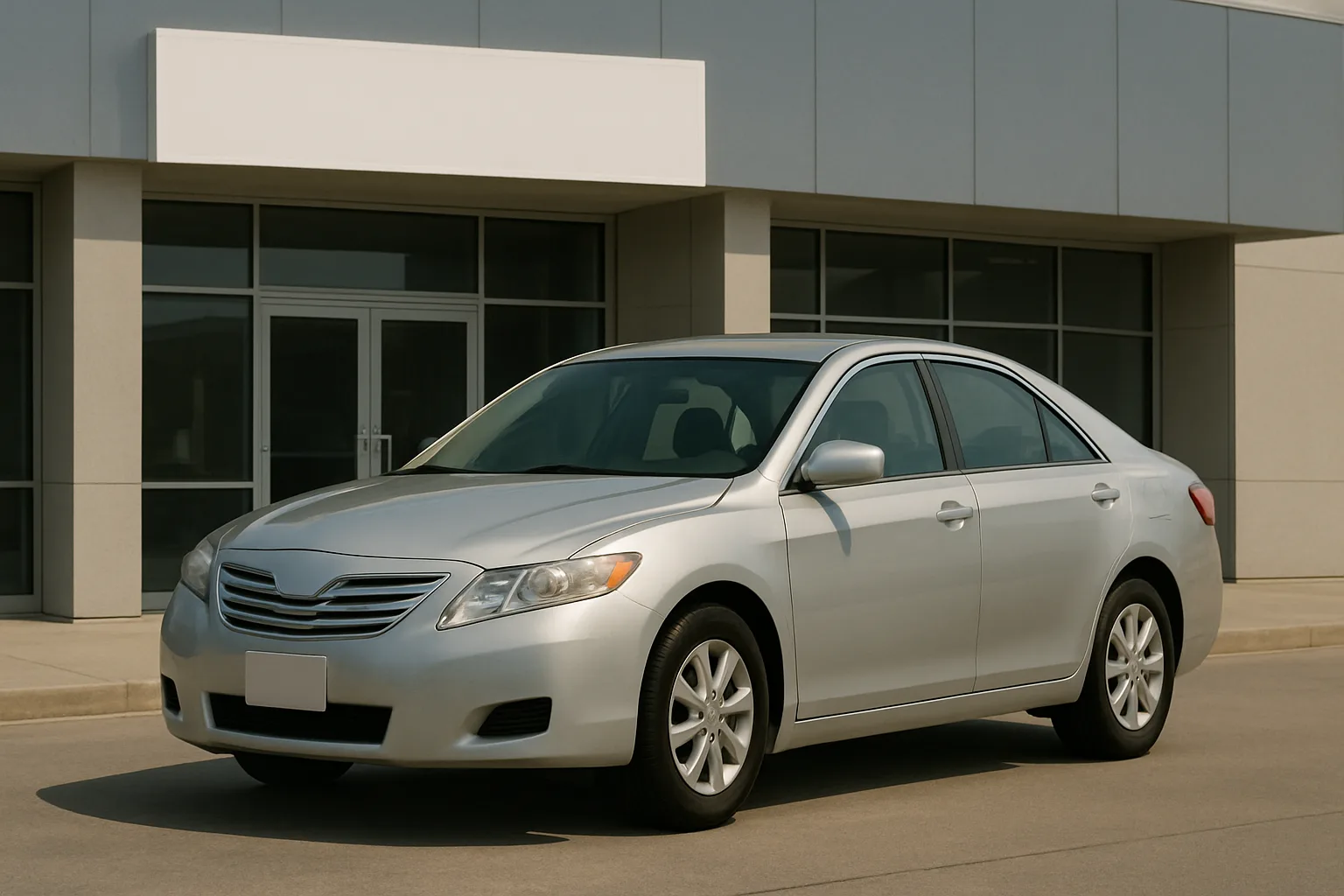
Toyota has reduced bonuses for its managers by 20 percent, responding to the financial impact of a major recall in the United States and a second consecutive year of company losses. The decision, announced in late November 2009, comes as the Japanese automaker faces mounting costs and reputational damage from one of the largest recalls in its history.
Toyota Cuts Manager Bonuses by 20% Amid Major Recall and Losses
Details of the Bonus Reductions
| Group | Bonus Change | Timeframe |
|---|---|---|
| Managers | 20% reduction | November 2009 |
| Managers | 60% reduction (summer bonus) | 2009 |
| Managers | 10% reduction (winter bonus) | 2008 |
| Executives and Board | Bonuses suspended | 2009 |
| Union Workers | 18% reduction (winter bonus) | 2009 |
The 20 percent bonus reduction for managerial staff was implemented in November 2009 and affects managers across Toyota’s global operations. This move follows earlier decisions to suspend bonus payments entirely for the company’s top executives and board members as profits continued to fall. The extension of bonus cuts to a wider group of employees reflects the seriousness of the financial challenges facing the company.
These reductions are not limited to management: unionised workers have also seen their bonuses affected. According to Toyota, the winter bonus for union workers in 2009 averaged 930,000 yen (about $10,700), which was an 18 percent decrease from the previous year.
Background: The Massive US Recall
The cost of the recall is expected to be substantial, not only in terms of repairs and replacements but also due to potential legal liabilities and the impact on consumer trust. The timing of the recall, coinciding with a global downturn in automotive demand, further compounded Toyota’s financial difficulties. The company had already reported losses for the previous fiscal year and was anticipating further challenges in the months ahead.
Financial Impact and Broader Austerity Measures
- Toyota implemented strict cost controls to preserve cash.
- Bonus reductions affected both management and unionised staff.
- Other global automakers have taken similar actions during financial crises.
- The company has signalled that further cost-cutting measures may be necessary.
The reduction in bonuses is one of several austerity measures aimed at stabilising Toyota’s financial position. By sharing the financial burden across both management and unionised staff, Toyota aimed to demonstrate a collective response to the crisis. The scale and timing of the recall, coupled with consecutive years of losses, have created particular urgency for decisive action. The company indicated that further measures may be necessary as it works to restore confidence among investors, customers, and employees.
Consequences for Employees and Company Outlook
For managers, the 20 percent bonus reduction comes on top of previous cuts, amounting to a significant decrease in annual compensation over two years. Unionised workers also face lower bonuses, reflecting the company’s strategy to distribute the impact of financial setbacks broadly. These changes have affected thousands of employees in Japan and abroad, highlighting the widespread consequences of the recall and ongoing losses.
The company’s leadership has signalled that bonus reductions and other austerity measures are temporary responses to extraordinary circumstances. As Toyota continues to address the fallout from the recall and works towards financial recovery, the company’s handling of staff compensation remains a key issue in its broader strategy to rebuild trust and stability.
Looking Ahead
Toyota’s experience in 2009 illustrates how major recalls and financial losses can prompt significant changes in corporate policy, including staff compensation. As the company moves forward, its ability to manage costs, resolve quality issues, and restore its reputation will be closely watched by industry observers, investors, and employees.
For more information on Toyota’s labour negotiations and pay decisions, see Toyota calls union wage demand “surprisingly high” in annual pay talks.