Toyota Sets 5,000–10,000 Annual Fuel Cell Sales as Initial Target
Toyota identified annual sales of 5,000 to 10,000 fuel cell vehicles as a healthy benchmark for the early years of its hydrogen-powered car programme, aiming to scale up production as costs fall.
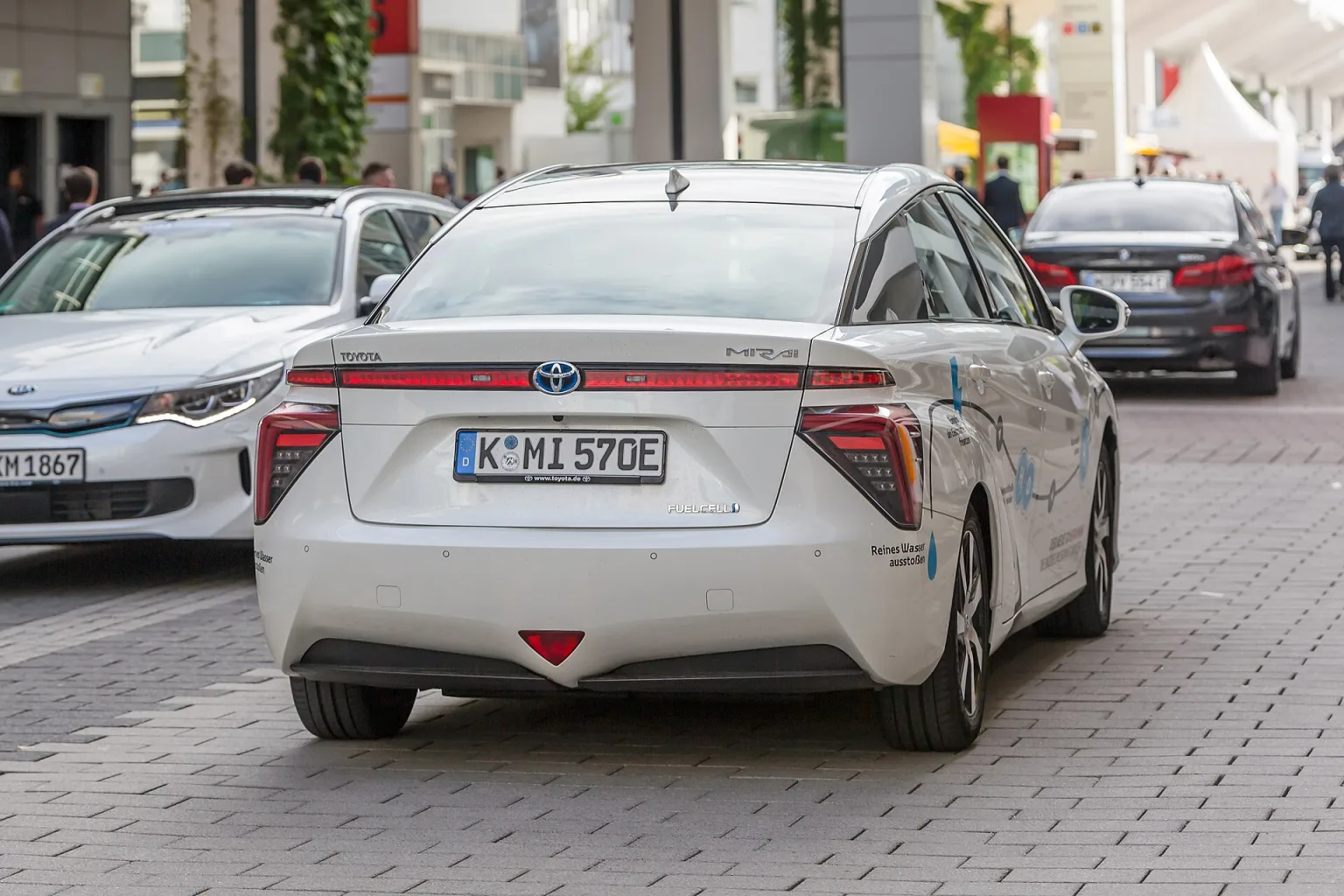
Toyota set out an ambitious early target for its fuel cell vehicle programme, aiming to sell between 5,000 and 10,000 hydrogen-powered cars annually from 2015. The target was described by the company as a healthy level for the initial years of production, as it sought to move fuel cell technology from prototypes to the mass market.
Early sales goals and cost reductions
The target was set as Toyota prepared to launch the Mirai, its first mass-produced fuel cell saloon, in late 2014. At the time, the company’s chief research and development officer, Soichiro Okudaira, said Toyota was determined to make fuel cell vehicles a viable, affordable alternative for buyers. The company had already cut the cost of the fuel cell system dramatically since its 2007 demonstration vehicles, down from €750,000 per stack to around €35,900 by 2013. This brought the projected price of the Mirai to about €72,000, with the fuel cell system accounting for half that figure.
Toyota’s cost reductions came from shrinking the fuel cell stack to fit under the front seats, reducing platinum content in the catalyst, and sharing parts with hybrid models. Despite these measures, the fuel cell sedan was not built on the same platform as the Prius, instead using its own heavier underbody structure. The Mirai offered a 300-mile range and three-minute refuelling, but Toyota acknowledged that infrastructure and price would need to improve to reach mass-market adoption.
Scaling up: From 10,000 to 30,000 units and beyond
By 2016, Toyota had revised its ambitions upwards, aiming for annual global sales of 30,000 fuel cell vehicles by 2020. The company announced plans to expand production capacity with new facilities for fuel cell stacks and high-pressure hydrogen tanks at its Honsha and Shimoyama plants. This expansion was part of a broader push to encourage wider adoption of hydrogen vehicles, both in Japan and internationally. In Japan, Toyota aimed for at least 1,000 monthly sales and more than 10,000 annually from 2020, with government support for infrastructure development.
The company’s long-term strategy included expanding sales to more countries, developing a wider FCEV product range, and working with other manufacturers and government agencies to build out hydrogen refuelling networks. Toyota’s initial 5,000 to 10,000 annual sales target for fuel cell vehicles set the stage for this broader ramp-up, with the company expecting demand to grow as costs fell and infrastructure improved.
Comparison with rivals and industry context
At the time Toyota set its initial target, other manufacturers were more cautious. Hyundai planned fewer than 1,000 units of its Tucson Fuel Cell between 2014 and 2016, and Honda’s early fuel cell offerings were only available in very limited numbers. Toyota’s approach put it ahead of its competitors in terms of both ambition and production scale.
- Toyota Mirai launched in 2014 as the first mass-produced FCEV saloon.
- Hyundai Tucson Fuel Cell limited to under 1,000 units between 2014 and 2016.
- Honda Clarity Fuel Cell entered production in 2015, also in limited numbers.
Toyota’s early sales targets and manufacturing investments signalled a long-term commitment to hydrogen technology, even as battery electric vehicles dominated headlines. The company’s strategy relied on scaling up production and driving down costs to make fuel cell vehicles a mainstream option over the coming decade.