Toyota Holds Off Volkswagen in 2013 Global Sales Race
Toyota retained its position as the world’s top-selling automaker in the first nine months of 2013, outpacing Volkswagen and General Motors despite mixed results across key markets.
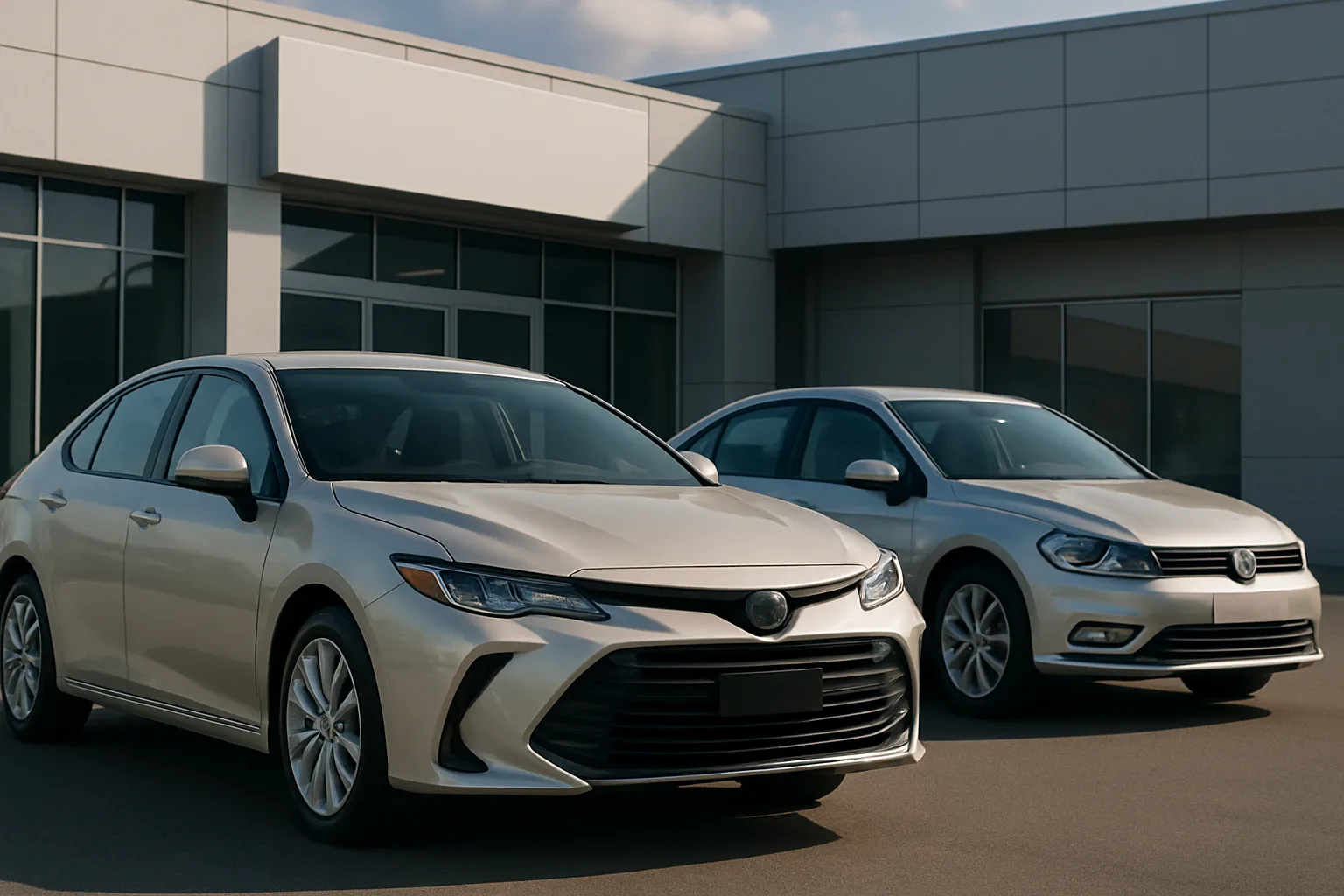
Toyota Motor Corporation maintained its lead in the global automotive sales race for the first nine months of 2013, delivering 7.412 million vehicles worldwide. The figure, which includes sales from Daihatsu and Hino, kept Toyota ahead of both Volkswagen Group and General Motors during the period.
Volkswagen Group delivered 7.03 million vehicles in the same period, according to figures released earlier in October 2013. That number does not include its heavy truck brands Scania and MAN, which together typically account for around 200,000 vehicles annually. General Motors, meanwhile, sold 7.25 million vehicles in the first three quarters, up 5 percent year-on-year.
Regional performance and drivers
Toyota’s global sales growth was modest, up less than 1 percent compared to the same period in 2012. The company cited strong demand in the United States as a key factor, with September exports from Japan to the US rising 9 percent year-on-year to about 53,130 vehicles. Strong sales of the RAV4 and Lexus IS supported this result. In contrast, Toyota’s sales in Europe and Asia faced headwinds. European sales of Toyota and Lexus dropped 4 percent to 407,072 units over the nine months, while markets such as Thailand and China also slowed.
Volkswagen’s performance was mixed as well. While the group posted a 5 percent sales increase globally, its figures excluded the Scania and MAN commercial vehicle brands. Volkswagen continued to target the global number one spot, aiming to surpass Toyota by 2018. For more on Volkswagen’s ambitions, seeVW Targets Top Global Sales Spot by 2018.
Full-year outlook and context
Toyota projected group-wide sales of 9.96 million vehicles for the full year, a 2 percent increase over 2012. Analysts expected the company to post an operating profit of 2.4 trillion yen (£15.1 billion) for the year ending March 2014, surpassing its previous record from 2008. The weaker yen was cited as a factor improving export profitability. The company’s July-September financial results were set to be announced in early November 2013, with a quarterly operating profit forecast at 616.5 billion yen.
Volkswagen’s sales ambitions remained clear, but the group still lagged Toyota’s reported figures for 2013. The contest for the world’s largest automaker title was tightening, with both companies expanding aggressively outside their home markets.
What it means for buyers and the industry
For buyers, continued competition between Toyota and Volkswagen translated into frequent new model launches, aggressive pricing and a strong focus on global product quality. For the industry, Toyota’s resilience after setbacks in 2011 and Volkswagen’s rapid gains underscored the volatility of global automotive leadership. The next few years would see this rivalry intensify, with Volkswagen ultimately overtaking Toyota in 2016, as covered inToyota Loses Top Global Sales Spot to VW in 2016.