Transport Sector Calls on EU to Hold Line on HDV CO2 Standards
European transport businesses warn that weakening heavy-duty vehicle CO2 rules could stall electrification and cut electric truck numbers by 200,000 over the next decade.
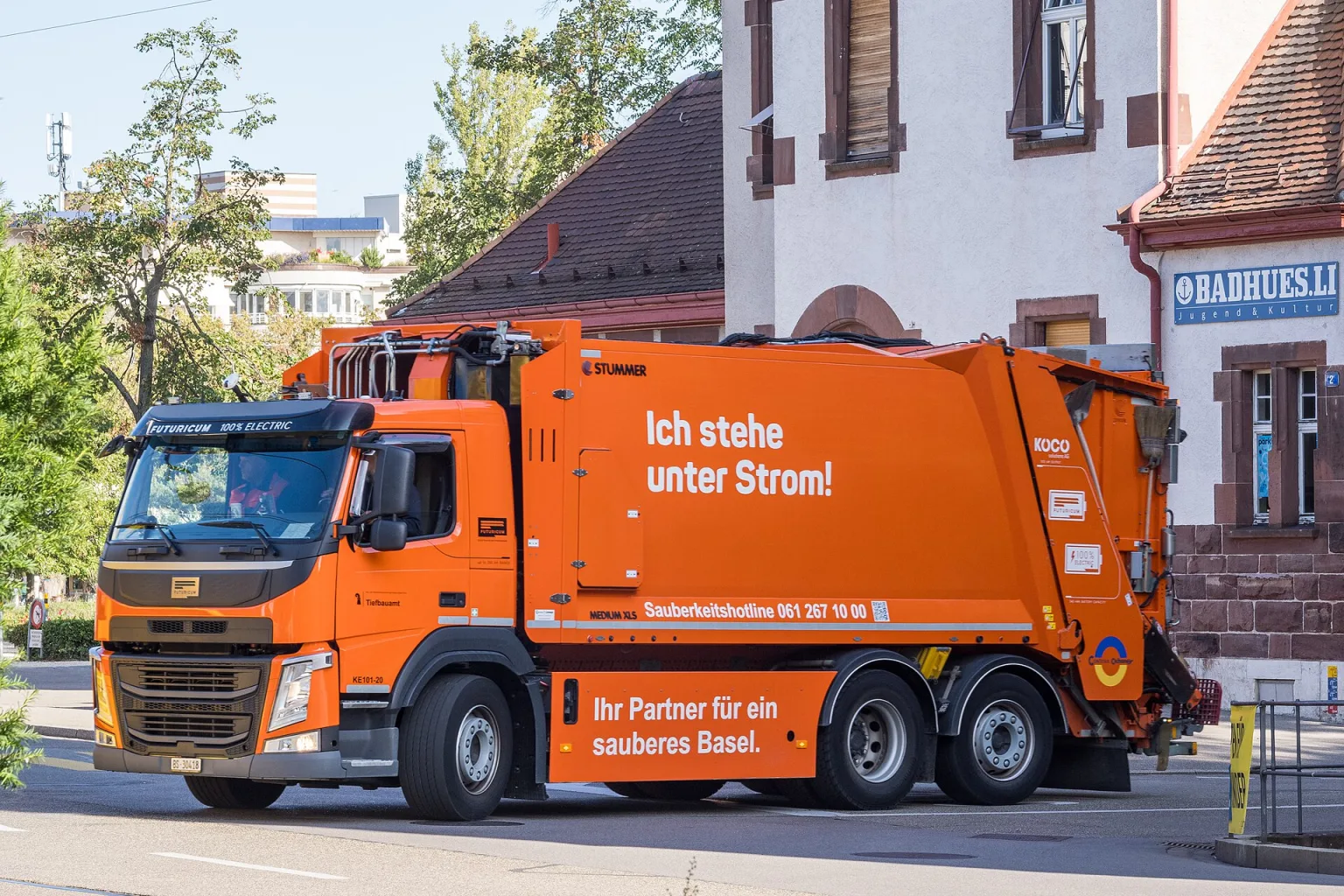
European businesses in the transport sector have called on the European Union to maintain existing CO2 standards for heavy-duty vehicles and not bring forward the planned 2027 review, warning that any weakening could undermine investment and slow the shift to electric trucks. The claims were made in a joint statement from a coalition of companies active in the sector, according to CleanTechnica.
The coalition argues that regulatory stability is essential for continued investment in electrification. They say that European businesses have already committed substantial resources to transitioning their fleets to electric models, and that any move to weaken or accelerate the review of CO2 standards could disrupt plans and risk Europe falling behind in the global race to decarbonise road freight.
Risk to electric truck uptake if standards change
According to the group, relaxing the current CO2 standards could result in 200,000 fewer electric trucks on European roads over the next decade. They claim this would undermine both the region’s climate commitments and its ability to compete economically with other markets that are accelerating their own zero-emission vehicle transitions.
The businesses stress that the CO2 standards for heavy-duty vehicles are not only about environmental targets but are also tied to safeguarding jobs and economic growth in the European transport sector. They argue that a stable regulatory framework gives manufacturers and operators the confidence to invest in new technology and infrastructure.
Infrastructure support needed for electric HDVs
Alongside calls to maintain the current rules, the coalition is urging the EU to step up support for high-power charging infrastructure. They claim that accelerated deployment of suitable charging points is necessary to make the widespread adoption of zero-emission heavy-duty vehicles viable. Without this, they warn, the pace of electrification could slow regardless of regulatory targets.