Subaru Confirms Turbocharged BRZ for Production
Subaru has announced it will build a turbocharged BRZ, offering both STI and non-STI versions, with the range-topping model expected to reach 300hp.
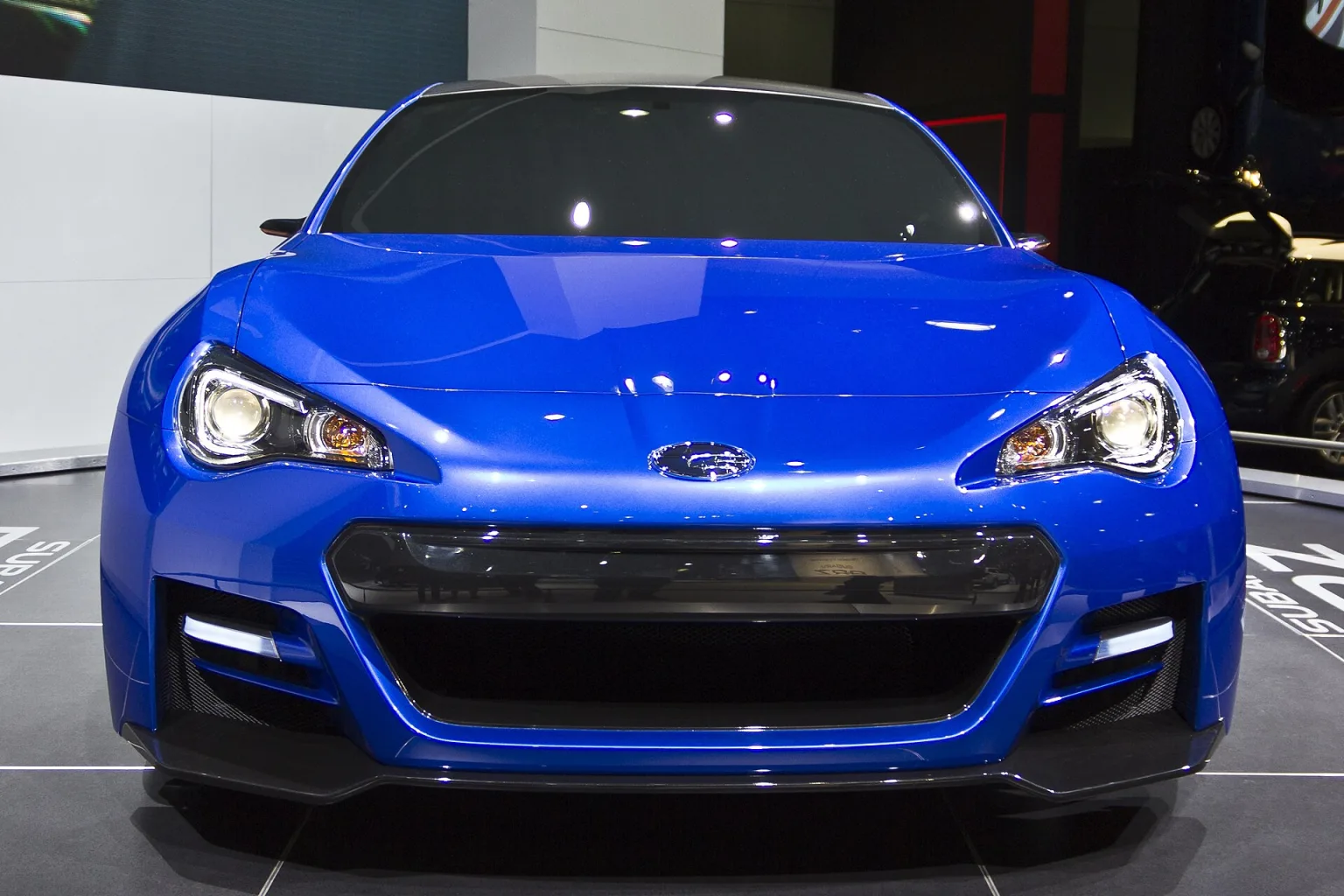
Subaru has officially confirmed that a turbocharged version of its BRZ sports car will enter production, putting an end to months of speculation about a more powerful variant. This announcement marks a significant development for fans of the rear-wheel-drive coupe, who have long called for a higher-output model to join the line-up. The move comes as part of Subaru’s broader strategy to expand the BRZ’s appeal and respond to increasing competition in the affordable sports car segment, where forced induction is becoming the norm.
The turbocharged BRZ will be offered in two versions: a standard model and a more potent STI edition. The STI variant is expected to produce up to 300hp, a substantial increase over the 197hp delivered by the current naturally aspirated BRZ. Subaru has not released a detailed technical specification or a launch date for the turbocharged models, but the confirmation alone is likely to generate excitement among driving enthusiasts and current BRZ owners alike.
Turbocharged BRZ Model Range
Subaru’s plan will see the turbocharged BRZ offered in two distinct versions. The STI variant will sit at the top of the range, offering the highest power output, while the standard turbocharged model will be positioned below it. Both versions will use a turbocharged engine, but only the STI is tipped to reach the 300hp mark. This creates a line-up of BRZ models with outputs ranging from 197hp (naturally aspirated) to 300hp (STI turbo), with the new non-STI turbocharged BRZ expected to slot in between. This approach gives buyers a broader choice, whether they are seeking a more accessible performance upgrade or aiming for the top-tier STI experience.
Subaru’s decision means buyers will have three BRZ options within a 100hp range, offering a clear progression for customers seeking more performance without leaving the BRZ line-up. While the company has not commented on the reasoning behind clustering the models so closely in terms of power, it is likely aimed at catering to a wider spectrum of buyers with different budgets and driving preferences.
Background: The BRZ Project
The Subaru BRZ was developed as a joint project between Subaru and Toyota, with Toyota marketing its version as the GT 86. Both cars share a 2.0-litre naturally aspirated flat-four engine, producing 197hp and 151lb ft of torque. Power is sent to the rear wheels via a six-speed manual transmission with a short stroke shift lever, or an optional six-speed automatic with paddle shifters. The BRZ’s lightweight construction and balanced handling have been widely praised since its debut at the 42nd Tokyo Motor Show, but calls for more power have persisted among buyers and reviewers.
| Naturally aspirated 2.0-litre flat-four | 197hp, 151lb ft |
|---|---|
| Turbocharged non-STI BRZ | Power output not yet confirmed |
| Turbocharged STI BRZ | Expected 300hp |
Market Context and Future Prospects
Subaru’s confirmation of a turbocharged BRZ comes as rivals in the affordable sports coupe segment increasingly turn to turbocharging to meet demand for higher performance and stricter emissions standards. The move is expected to help the BRZ compete more directly with models such as the Ford Mustang EcoBoost, Nissan 370Z, and Toyota’s own turbocharged offerings in other markets. By offering both a standard and STI version, Subaru is aiming to attract a wider range of buyers, from those seeking a modest performance boost to enthusiasts wanting the full STI experience.
Pricing, detailed technical specifications, and availability for the turbocharged BRZ models have not yet been announced. However, the confirmation of production signals that Subaru is committed to keeping the BRZ relevant and competitive. Further details are expected to emerge in the coming months, potentially at major international auto shows such as Detroit or Geneva.
What’s Next for the BRZ?
The introduction of turbocharged versions is likely to renew interest in the BRZ and could lead to increased sales, especially among enthusiasts who previously looked elsewhere for more power. The move also reinforces Subaru’s partnership with Toyota, ensuring that both brands remain strong contenders in the sports coupe market. As more information becomes available, attention will turn to how the turbocharged BRZ performs on the road and how it will be priced relative to its rivals.
For now, Subaru enthusiasts and sports car fans can look forward to a BRZ range that finally delivers the power many have been waiting for, with the promise of both accessibility and high performance in a familiar, rear-wheel-drive package.