Uber, Lyft and Zipcar offer discounted rides for US Election Day
On 8 November 2016, major US ride-sharing firms including Uber, Lyft and Zipcar rolled out special offers to help voters reach polling stations, with free or discounted journeys nationwide.
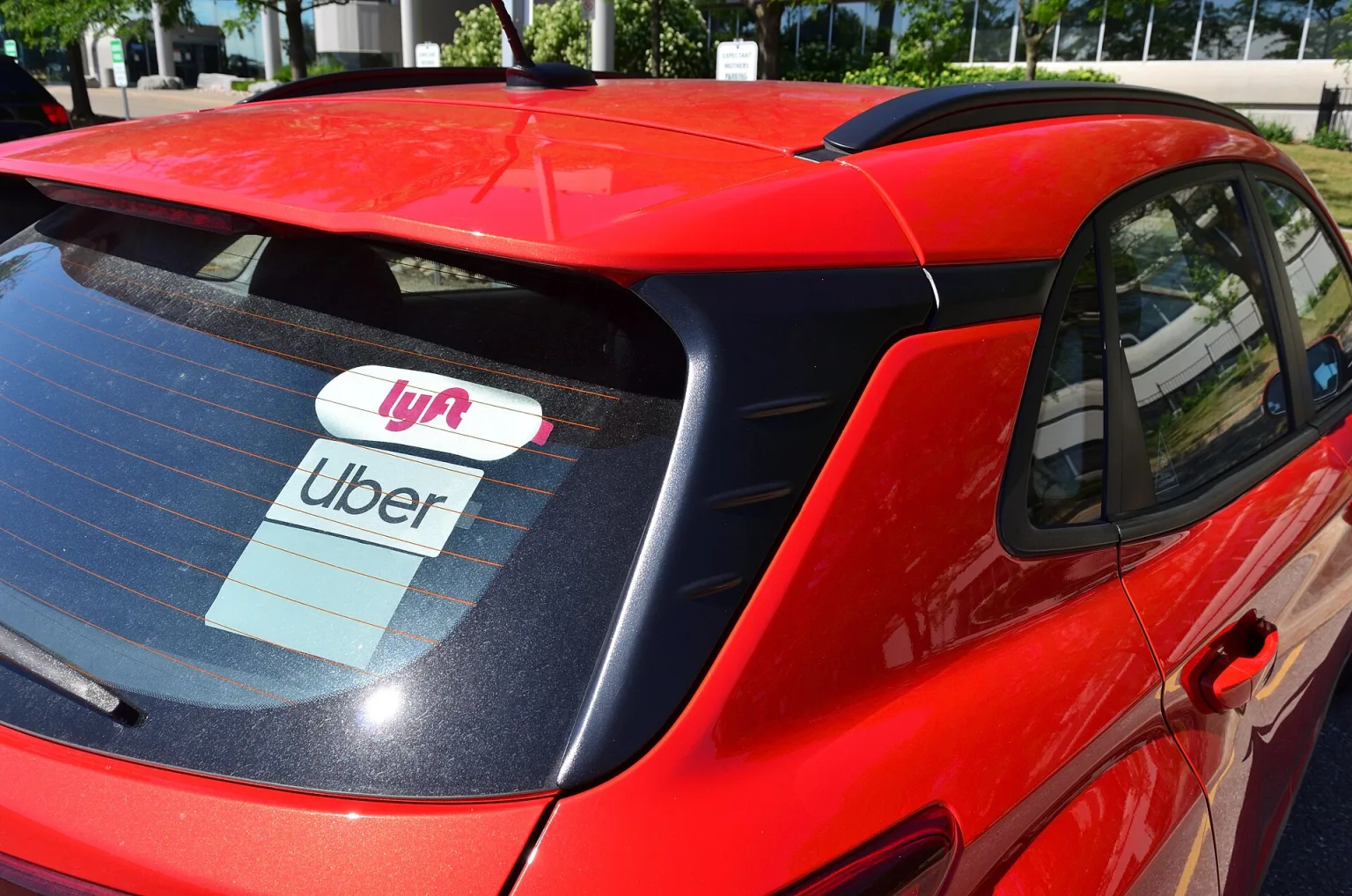
Uber, Lyft and Zipcar launched a series of special offers on 8 November 2016, aiming to help US voters get to polling stations for Election Day. The companies provided a mix of free and discounted rides in cities across the country, targeting both regular users and those new to their services.
Details of the ride offers
Uber partnered with Google to let users search for their local polling place through the app. New Uber riders could claim $20 off their first journey by entering the promotional code VOTETODAY. The offer targeted those who had not previously used the service, with the aim of removing cost as a barrier to voting.
Lyft, Uber’s main competitor in the US, offered a 45% discount on rides to polling stations in 20 major cities. The discount was available from 7am to 8pm local time, covering the full range of polling hours in most states. Existing Lyft users could benefit from the offer, which was designed to encourage turnout among regular riders.
Zipcar, the car-sharing service, launched its “Drive the Vote” programme. Members could use any of the company’s 7,000 vehicles nationwide for free to travel to and from polling stations, so long as the trip was for voting purposes. The offer applied in every city where Zipcar operated at the time.
Impact for voters and ride services
The offers from Uber, Lyft and Zipcar were presented as a way to reduce transport barriers on a day when turnout is often affected by practical challenges. For the companies, Election Day provided an opportunity to attract new users and reinforce their brands as accessible alternatives to private car ownership, especially in urban areas where parking and congestion are persistent issues.
The move also reflected the growing competition among ride-sharing firms for market share in US cities. While Uber and Lyft focused on discounted journeys, Zipcar’s free access to its fleet highlighted the different approaches car-sharing and ride-hailing firms took to attract attention on a high-profile day.
General Motors’ Maven, though smaller in scale, used the occasion to promote its own car-sharing offer. The Election Day promotions were part of a broader trend of mobility companies using major public events to market their services and expand their user base.