Daimler Truck Plant Strike in Portland: Unions Seek to Restart Talks
Two unions at Daimler's Portland, Oregon, truck plant remain on strike over pay and benefits, with union leaders aiming to revive stalled contract negotiations.
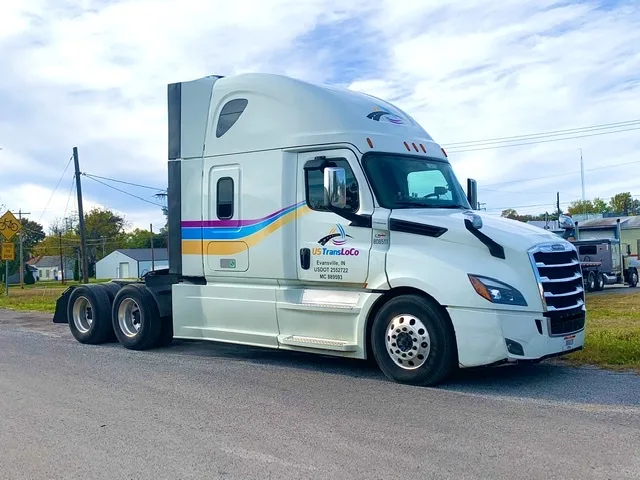
Production at Daimler’s Swan Island truck plant in Portland, Oregon, remained at a standstill in early July 2013 after two of the four unions representing workers walked out over a pay dispute. Union leaders said they would attempt to restart contract negotiations with the German manufacturer in an effort to resolve the strike and limit economic damage for both sides.
The dispute centres on a three-year labour agreement covering the 725-employee plant, which builds Western Star trucks. Talks began on 10 June, but broke down when the International Association of Machinists Local 1005 and International Union of Painters and Allied Trades Local 1094 rejected Daimler’s proposed deal. The two other unions at the plant accepted the offer and did not join the strike.
Pay and benefits at the heart of dispute
Union negotiators said workers had asked for a $4 per hour wage increase, citing a 25 percent rise in productivity since the last contract in 2010 and a four-year pay freeze. Daimler countered with a $1.30 hourly increase, but also sought to raise employee contributions toward medical costs, including higher copays and deductibles. The unions argued that the increased healthcare costs would erode most of the proposed pay rise.
Daimler responded to the walkout by suspending production at the plant, which typically turns out about 30 Western Star vehicles each day. The company also cut off medical coverage for employees participating in the strike, a move that further escalated tensions. Union lead negotiator Joe Kear said the strike would have economic consequences for both workers and the company, and expressed a willingness to return to the bargaining table.
Wider context for US auto labour disputes
The Portland dispute followed a pattern of tense contract negotiations between US auto manufacturers and unions, with wage increases and healthcare costs at the centre of talks. Similar disputes have affected other manufacturers, such as Hyundai and GM, in recent years. For more on recent union negotiations in the US auto sector, seeUAW Workers Eye Wage Rises as Detroit Three Announce Profit-Sharing Payouts.
At the Portland plant, the two unions that remained on strike indicated they were prepared to resume discussions in the hope of reaching a settlement and ending the work stoppage. Until an agreement is reached, production of Western Star trucks at the site remains halted, affecting both the company’s output and the livelihoods of union members.