

California commits $46.6 million to hydrogen fuel network
The California Energy Commission will fund dozens of new hydrogen refuelling stations, aiming to support fuel cell vehicle uptake and address the infrastructure gap.
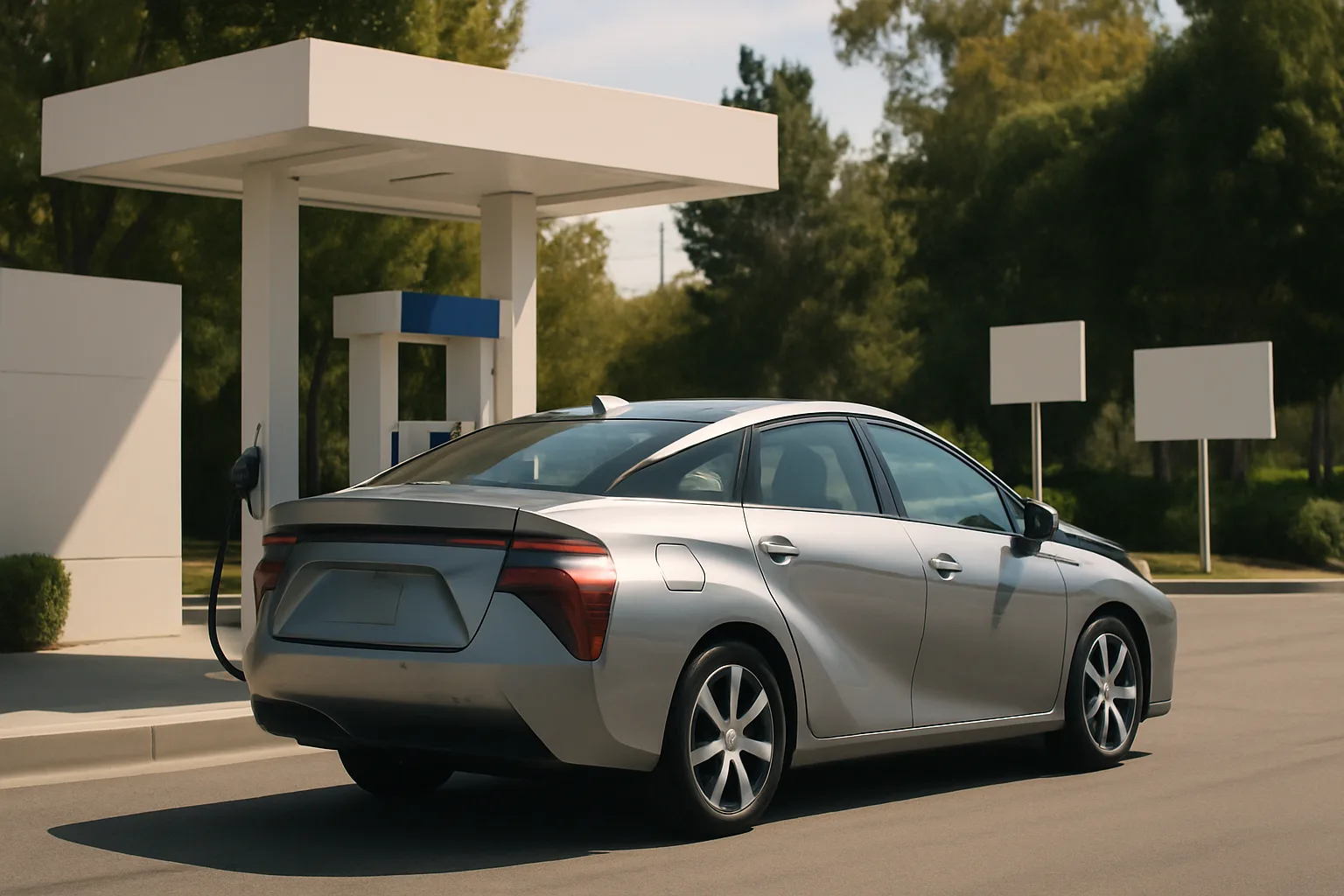
California is allocating $46.6 million to expand its hydrogen refuelling network, a move designed to accelerate the adoption of fuel cell vehicles in the state. The California Energy Commission’s investment will see the number of public hydrogen stations increase well beyond the nine currently operating, with 17 more under construction and a further 28 planned.
The funding is intended to break the deadlock that has held back fuel cell vehicle sales in the US: manufacturers have cited a lack of refuelling infrastructure as a barrier to launching new models, while fuel suppliers have pointed to limited demand. The state’s new commitment is intended to provide the critical mass needed for both sides to move forward.
Automakers respond to infrastructure push
Honda, Hyundai and Toyota are all preparing or expanding their US fuel cell line-ups. Honda’s FCX Clarity has been available in California for several years, but volumes have remained low, reflecting the limited refuelling options. Hyundai is bringing its Tucson Fuel Cell crossover to the US, following earlier launches in Korea and Europe. Toyota, meanwhile, plans to introduce a dedicated fuel cell saloon in 2015, targeting early adopters in California. Honda has also previewed a next-generation FCEV concept, expected to reach production in the same timeframe.
- Honda FCX Clarity: available in California since 2008
- Hyundai Tucson Fuel Cell: US launch underway
- Toyota fuel cell saloon: due 2015, designed for hydrogen power
Automakers have argued that a viable refuelling network is essential for convincing buyers to consider hydrogen-powered vehicles. With California’s new investment, the infrastructure should begin to match the ambitions of the manufacturers. For more on the challenges facing fuel cell cars, seethe-fuel-cell-cars-could-be-the-ultimate-green-vehicles.
Aiming for mainstream adoption
California’s approach is to pursue multiple low-emission vehicle technologies in parallel, rather than relying solely on battery-electric or plug-in hybrids. By underwriting the hydrogen network, the state hopes to foster competition and innovation among alternative powertrains. The move also supports California’s strict emissions targets, which are among the toughest in the world.
The scale of California’s hydrogen investment stands out in the US context, where most alternative-fuel infrastructure funding has gone to electric vehicle charging. The state’s willingness to support hydrogen could influence other regions considering similar policies. For context on how infrastructure shapes fuel cell model sales, seeus-sales-of-fuel-cell-hyundai-tucson-hampered-by-lack-of-hydrogen.
The coming years will show whether the expanded network can deliver the customer confidence and sales volumes needed to justify automakers’ investment in hydrogen technology.



