US insurers criticised for failing to reward low-mileage drivers
A study by the Consumer Federation of America claims most US insurers do not offer meaningful discounts to drivers with low annual mileage, potentially penalising older and lower-income motorists.
A study from the Consumer Federation of America (CFA) has found that most major US car insurers offer little or no discount to drivers who cover fewer miles each year, despite evidence that low-mileage motorists file fewer and less costly claims.
The CFA research involved seeking minimum liability quotes for a hypothetical 30-year-old woman with a clean record in 10 cities across the US. The study compared rates for drivers who reported 5,000 miles per year, about a third of the national average, against those with higher annual mileage. Only State Farm consistently provided a meaningful discount for lower mileage, while other major insurers showed little variation in pricing.
This lack of differentiation stands in contrast to actuarial data. According to the CFA, and supported by an MIT study, drivers who travel more than 30,000 miles annually are 60 percent more likely to file an insurance claim, and those claims are on average 43 percent more expensive than claims from drivers who log only 10,000 miles per year.
Impact on older and lower-income drivers
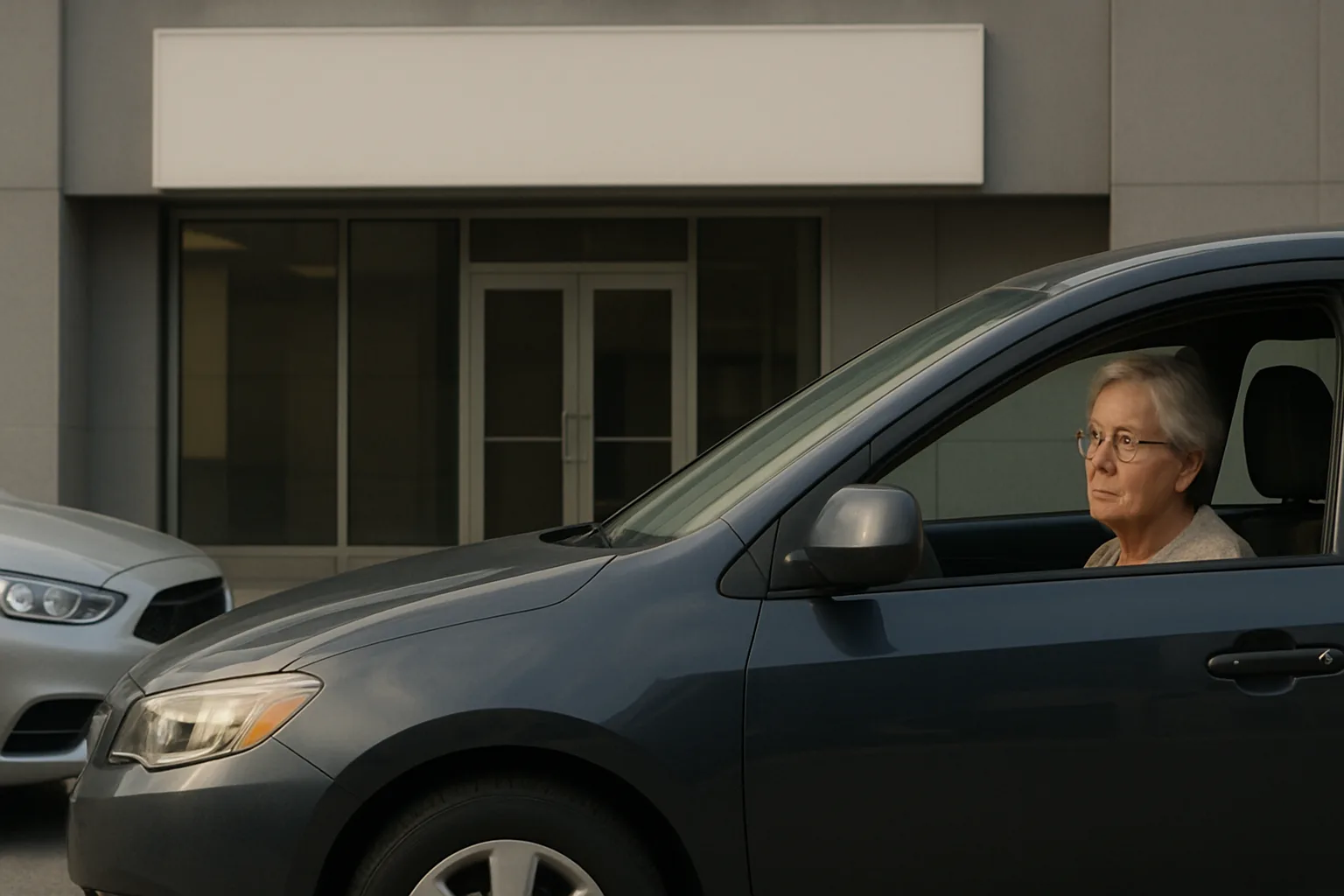
The CFA argues that the failure to reward low-mileage driving particularly disadvantages older and lower-income drivers, who statistically drive less than other groups. Without mileage-based discounts, these motorists may pay premiums that do not reflect their lower risk profile. The CFA's executive director said this approach penalises those least able to afford higher insurance costs.
The issue is particularly relevant in urban areas, where many residents drive less out of necessity or preference. For context on city driving risks, see Baltimore Named Most Dangerous US City for Drivers.
Insurer practices and consumer options
While usage-based insurance products exist, the CFA study focused on standard policies, not telematics-based offerings. For most consumers, especially those with lower incomes or older vehicles, these traditional policies remain the default. The lack of mileage-based pricing means many low-mileage drivers are missing out on potential savings.
The CFA has called on insurers to adopt fairer pricing models that better reflect actual risk, and for regulators to scrutinise how mileage is factored into rate-setting. For now, drivers who cover fewer miles may find limited benefit unless they are insured with one of the few companies recognising their lower risk.