Hellcat Demand Drives Dodge’s Brand Resurgence in US
Dodge’s supercharged Hellcat models have generated intense demand, boosting the brand’s image and prompting a production increase for the 2016 model year.
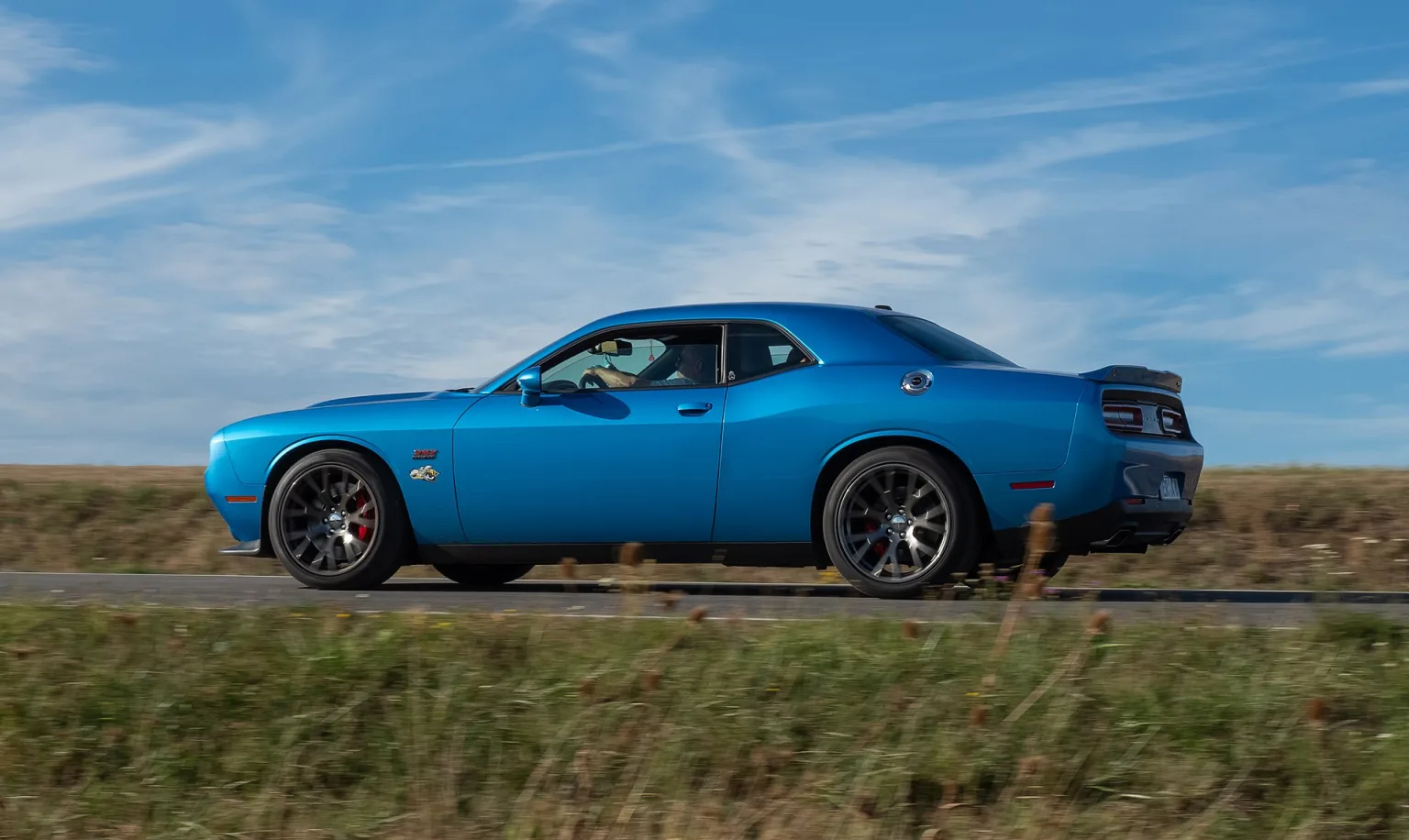
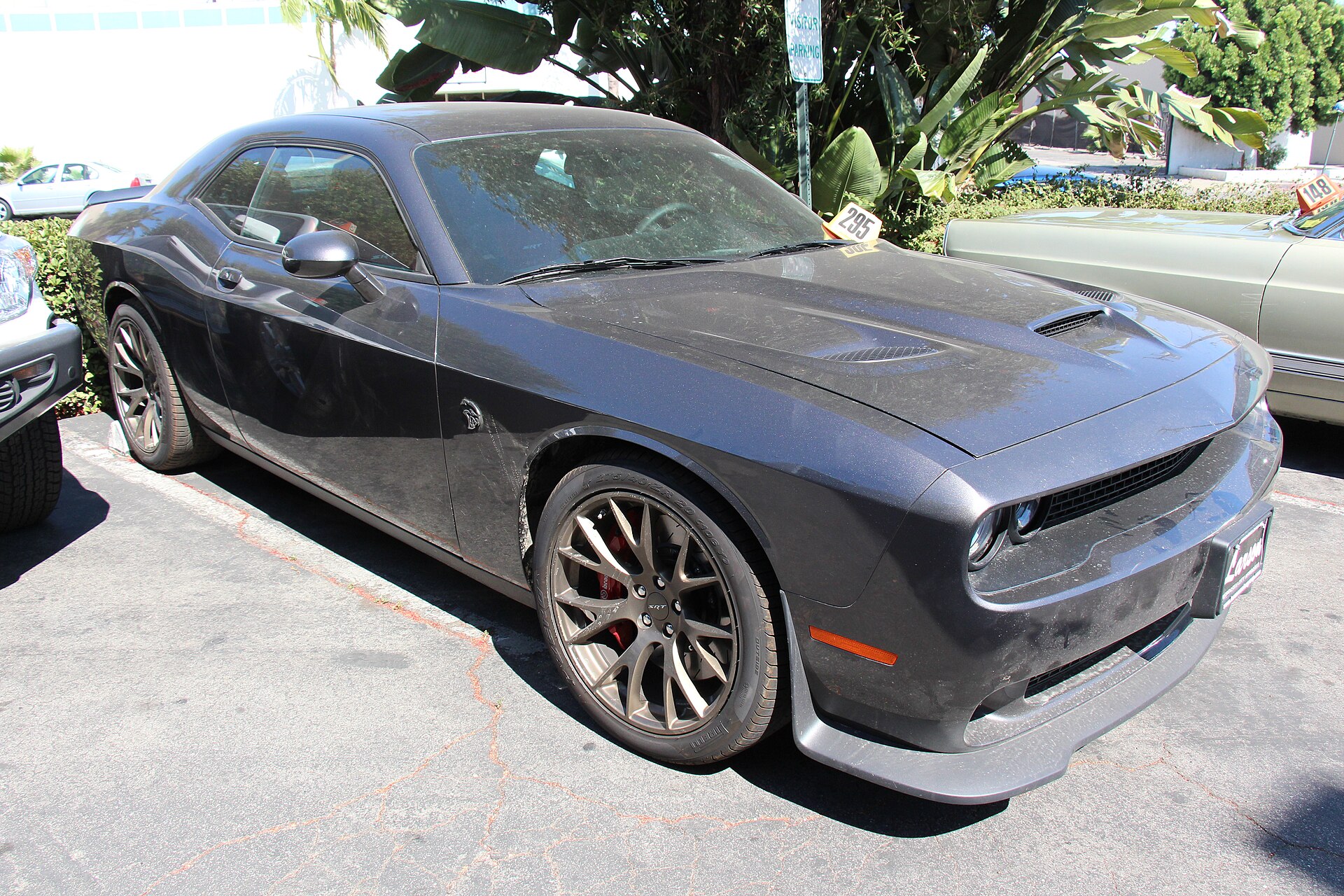
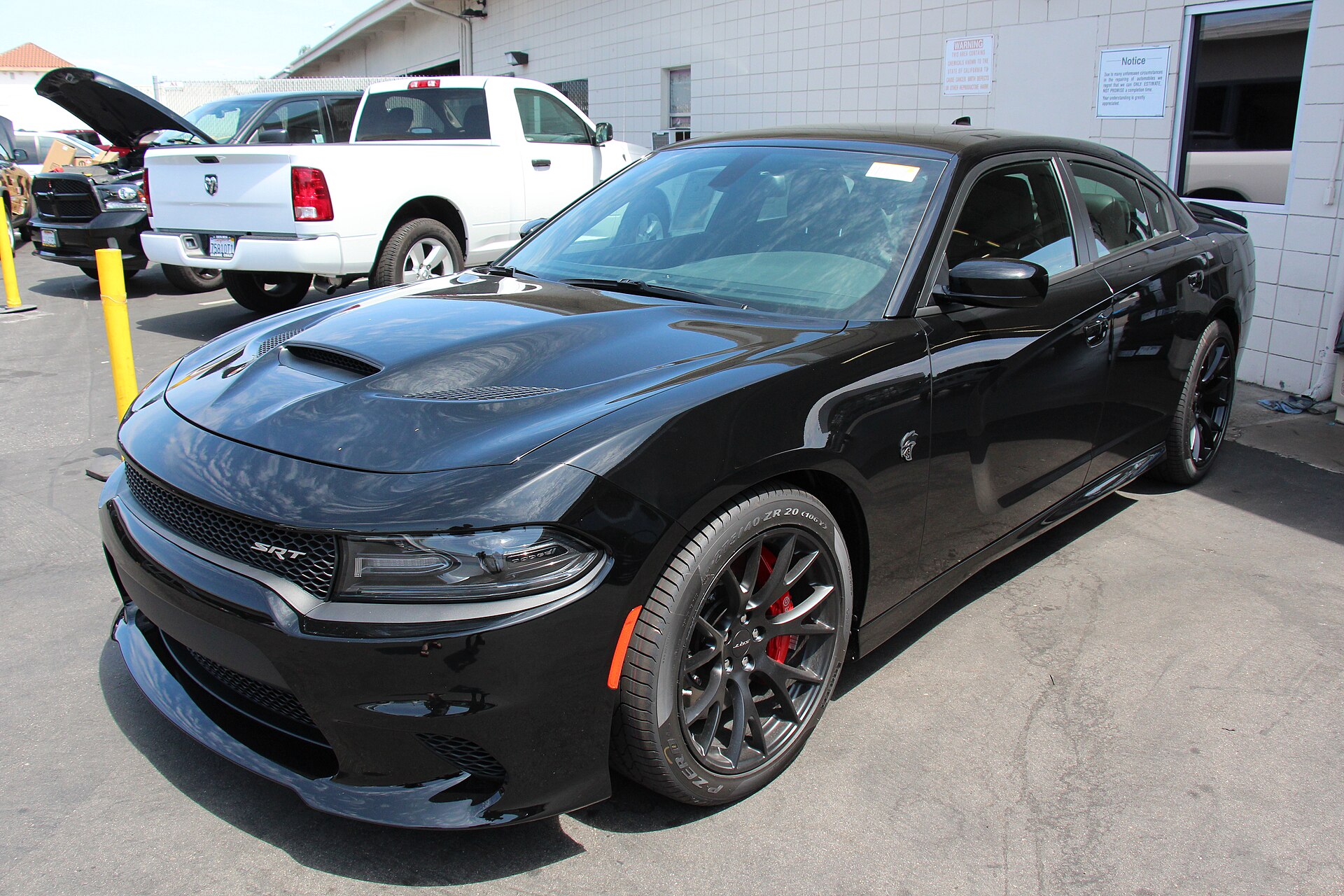
Dodge’s 707-horsepower SRT Hellcat models have transformed the brand’s US profile, with demand for the Challenger and Charger Hellcats far outstripping supply since their introduction. The company confirmed that all 2015 model year Hellcats were sold out, leading dealers to take orders for 2016 cars even before production ramped up.
The surge in interest has not only filled order books but also elevated Dodge’s presence among US performance brands. The Hellcat badge, referencing the supercharged 6.2-litre Hemi V8, has become a talking point well beyond the usual muscle car circles. Owners and enthusiasts have flocked to events and bought branded merchandise in large numbers. At the Woodward Dream Cruise, Dodge-related activities drew over 40,000 attendees, underlining the cars’ appeal as cultural as well as automotive phenomena.
Production bottlenecks and dealer challenges
Dodge’s initial production for the 2015 Hellcats was limited, with figures reportedly below 10,000 units. The shortfall led to months-long waiting lists and, in some cases, dealers taking customer deposits without being able to guarantee delivery. The company responded by introducing a new order system for 2016 and doubling production to address the backlog and prevent further dealer issues.
Despite the relatively low production numbers, the Hellcat models have had an outsized impact on Dodge’s brand awareness and reputation. Industry analysts note that even if the cars are not major profit drivers, the marketing effect has been substantial. The Hellcat’s notoriety has paid dividends in attention and perception, positioning Dodge as a headline act in the US muscle car market.
Broader brand strategy and future prospects
The success of the Hellcat strategy has encouraged Dodge to continue leveraging high-performance variants as a core part of its identity. While the company has not confirmed official production figures, the move to double output for 2016 reflects confidence in sustained demand. The Hellcat approach has also influenced other FCA brands, with Jeep confirming plans for a Grand Cherokee Trackhawk using the same engine for 2017.
Dodge’s experience with the Hellcat models shows how a single high-profile product can reshape a brand’s image and draw new attention, even in a segment crowded with rivals. The company’s response, doubling production and tightening order controls, demonstrates the power and pitfalls of success in the muscle car market.