US Minivans See Sales Revival as Segment Gains Momentum
US minivan sales have posted gains of up to 10% in 2014, driven by new models and a shift in buyer preferences as the segment recovers from a decade-long decline.
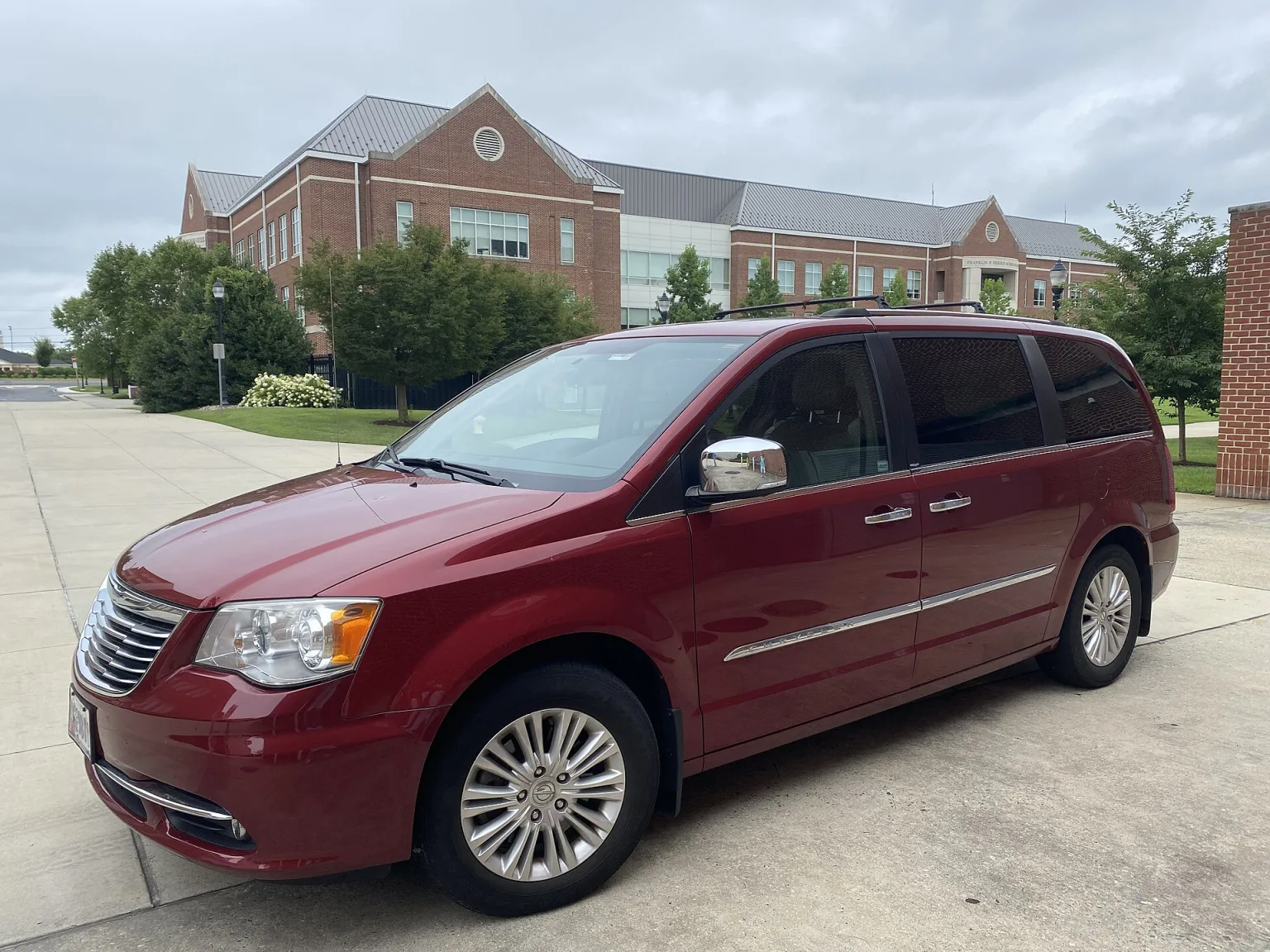
US minivan sales are climbing again after years of decline, with analysts reporting a 5–10% increase in the first nine months of 2014. The segment, long overshadowed by SUVs and crossovers, is drawing renewed attention from both buyers and manufacturers. While the minivan was once seen as the default choice for families, its popularity waned over the last decade as American preferences shifted toward larger SUVs and more stylish crossovers. However, recent trends suggest that minivans are regaining traction in the market.
Minivans Make a Comeback in the US
What Is Driving the Minivan Recovery?
Kelley Blue Book analyst Karl Brauer attributed the sales growth to fresh entries and updated models that have broadened the appeal of minivans beyond their traditional family audience. The introduction of new and redesigned minivans has played a central role. Models now offer flexible seating, improved safety features, and more upmarket interiors, helping to shift consumer perceptions. Some manufacturers have also targeted semi-commercial users, expanding the segment’s reach beyond families to include shuttle operators and small businesses.
- More versatile seating and storage solutions
- Advanced driver assistance and safety features
- Improved fuel economy and lower running costs
- Targeted marketing to both families and commercial users
These changes have made minivans more attractive to a wider range of buyers. The segment, once pigeonholed as the preserve of the 'soccer mom', is now being reimagined as a practical and flexible option for a broader set of needs. This has contributed to the recent uptick in sales, even as SUVs and trucks continue to dominate headlines.
Market Concentration and Competition
Despite the growth, the US minivan market remains highly concentrated. Four models control about 60% of sales, with a steep drop to the next tier of competitors. This concentration means that while the segment is growing, only a handful of manufacturers are reaping most of the benefits. Kia’s Sedona, for example, is illustrative of the challenges faced by second-tier models. The Sedona peaked at 61,000 US sales a decade ago but had fallen to just 7,000 last year, highlighting the dominance of the segment leaders.
For 2015, Kia has relaunched the Sedona with a focus on both traditional minivan buyers and those considering SUVs or large saloons. The goal is to reclaim lost ground by offering features that appeal to families and commercial users alike. The updated Sedona aims to compete with segment leaders by providing more premium interiors, enhanced safety equipment, and flexible seating arrangements.
Minivans Versus SUVs and Crossovers
While SUVs and crossovers continue to dominate US family vehicle sales, minivans are carving out a space by offering features those segments cannot always match. Sliding doors, low step-in heights, and interior flexibility remain strong selling points for buyers prioritising practicality over image. For families with young children or those needing easy access to the rear seats, minivans offer clear advantages.
Some buyers are also drawn to the improved fuel economy and lower running costs of modern minivans, which can be more efficient than similarly sized SUVs. Enhanced safety features and driver assistance technology further strengthen the case for minivans as a sensible family transport option. As manufacturers continue to update and market these models, more consumers are likely to take a second look at the segment.
Challenges and Outlook for the Segment
Analysts caution that, despite the recent gains, minivans have a long way to go before matching their former popularity. The late 1990s saw minivan sales at their peak, but the segment’s decline over the past decade was steep, with annual volumes shrinking and several manufacturers exiting the market entirely. The current resurgence, while promising, is still at an early stage.
For manufacturers, the challenge is to sustain growth by continuing to innovate and adapt to changing consumer preferences. This means not only improving the core attributes of minivans, such as space, comfort, and practicality, but also addressing concerns about style and image. The success of the latest models will depend on how well they can balance these demands and compete with the ever-popular SUV and crossover segments.
Still, the segment’s recovery in 2014 suggests that American buyers are reconsidering the category as manufacturers update their offerings and broaden their appeal. If current trends continue, minivans could once again become a familiar sight on US roads, serving not only families but also a wider range of users looking for versatility and value.