Shell Eco-Marathon brings student-built efficiency racers to Detroit
Detroit hosts the Shell Eco-Marathon for the first time, with more than 140 student teams competing in high-efficiency prototype vehicles across a downtown street circuit.
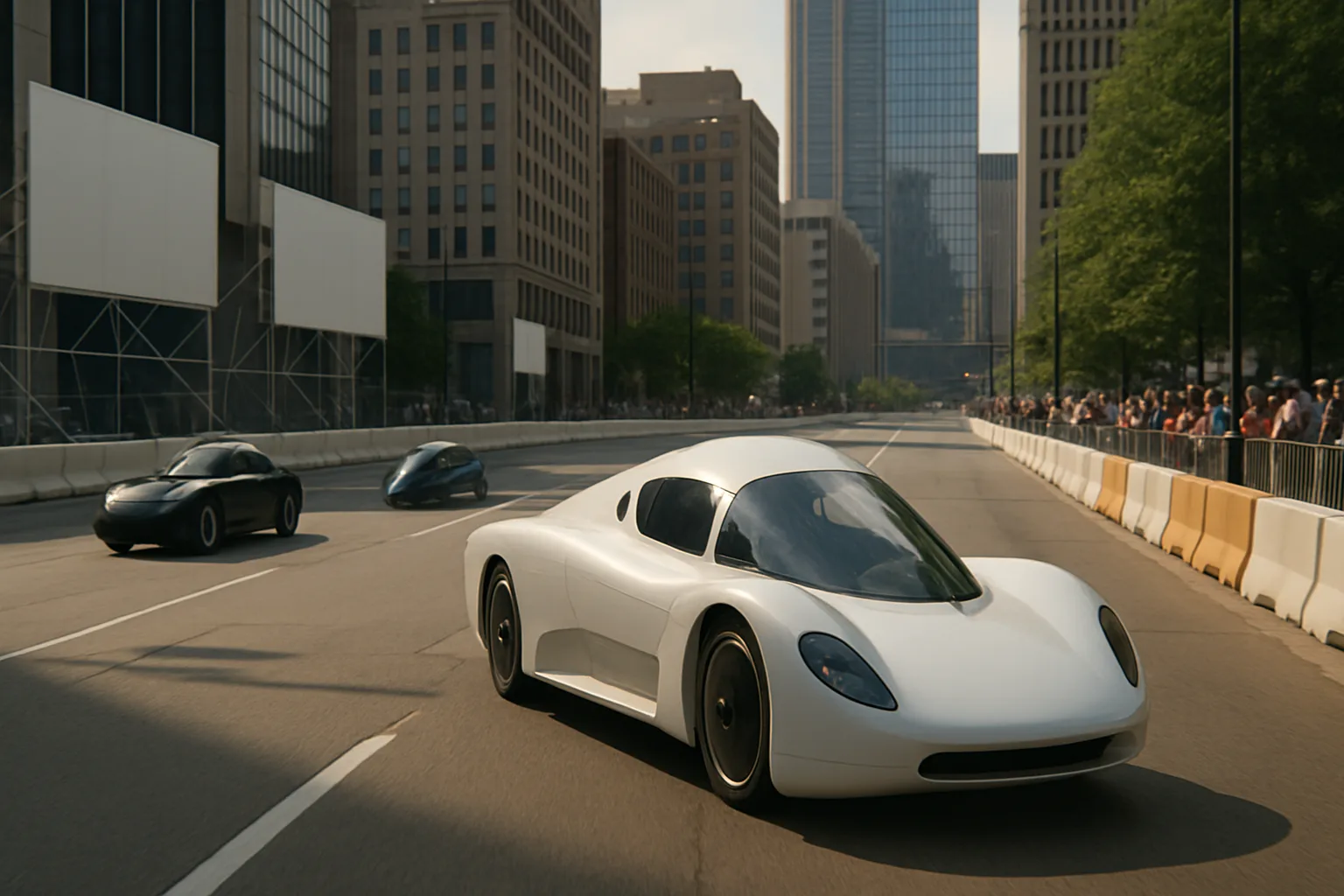
Detroit’s streets saw a different kind of race as the Shell Eco-Marathon arrived in the city for the first time, drawing over 140 teams of students from North and South America to compete in a challenge of fuel efficiency and engineering skill. The event, held 10–12 April, put experimental vehicles designed and built by university and high school teams to the test on a temporary circuit through downtown, with a base at the city’s Cobo Center.
The Shell Eco-Marathon focuses on achieving the highest possible fuel economy, with previous events seeing prototype cars reach figures as high as 3,587 miles per gallon. The competition is split into categories based on powertrain and design, including internal combustion, battery electric and hydrogen fuel cell vehicles. Teams come from as far as Brazil and Chile, joining US and Canadian students in a tent city inside Cobo Center, where they could continue refining their cars throughout the weekend.
A showcase for future mobility
The event is more than a race. Alongside the competition, Shell hosted a conference at Cobo Center, bringing together academics, industry experts and business leaders to discuss the future of urban mobility and energy. The aim is to push students to innovate with lightweight materials, aerodynamic shapes and alternative fuels, while exposing them to wider debates about sustainable transport.
- Teams required to pass rigorous technical and safety inspections
- All cars must maintain an average speed above 15 mph
- Competition circuit included Jefferson Avenue, Woodward, Michigan Avenue and Washington Boulevard
Participants’ vehicles covered a wide range of technologies, from petrol and ethanol engines to battery electric and hydrogen fuel cell systems. The technical inspection process ensured that, despite the experimental nature of the designs, safety standards were met and the cars could operate reliably on public roads closed for the event.
For Detroit, traditionally the heart of the US auto industry, hosting the Shell Eco-Marathon highlighted the city’s ongoing connection to vehicle innovation, but with a focus on efficiency and sustainability rather than outright speed or power. The event brought together students, engineers and industry figures to consider how future vehicles might address urban and environmental challenges.