UT study reports Volkswagen’s Chattanooga plant drives jobs and investment in Tennessee Valley
Volkswagen’s Chattanooga factory has created more than 12,000 jobs and generated over $643 million in annual income, according to University of Tennessee research.
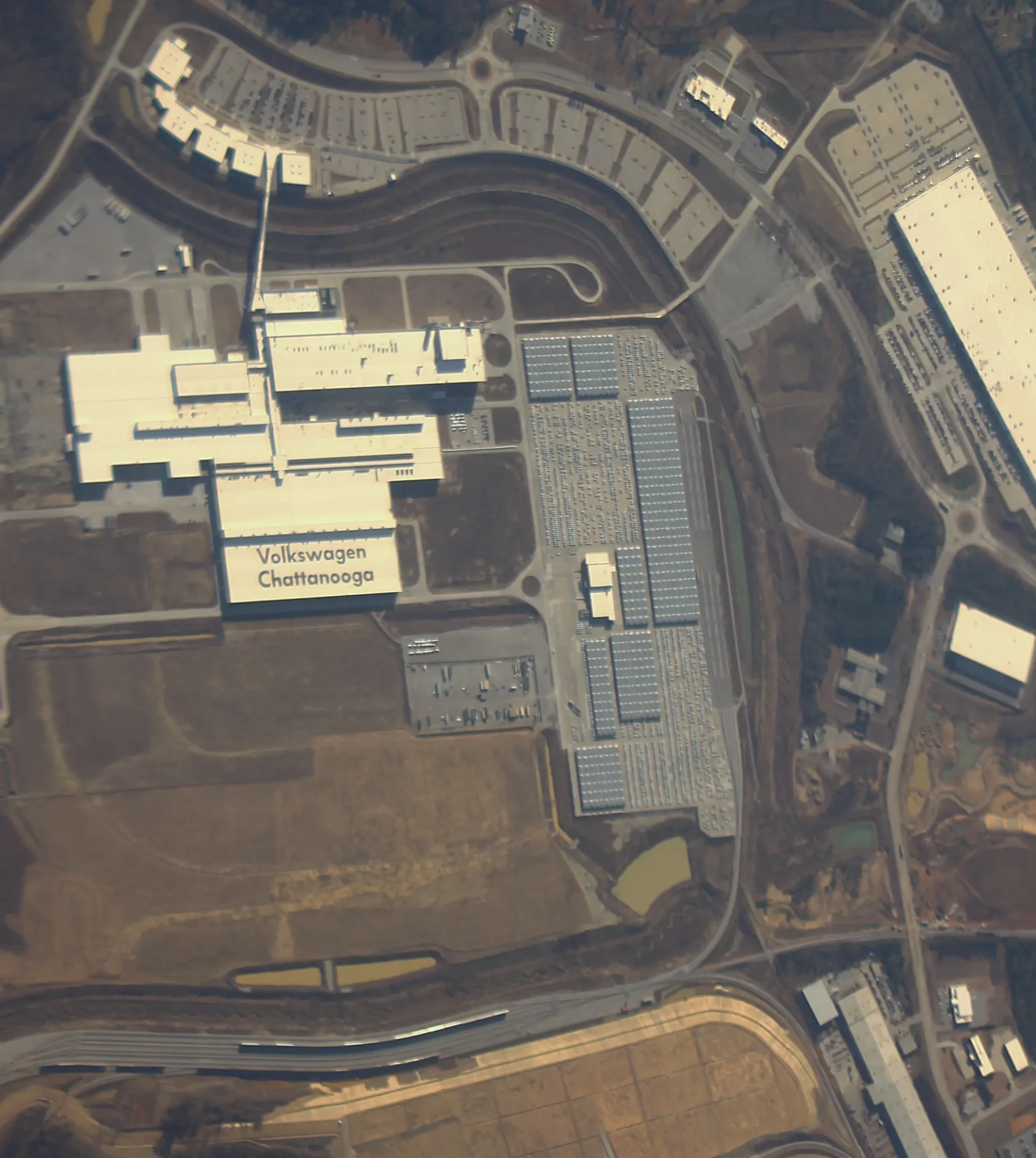
Volkswagen’s Chattanooga plant has delivered a significant economic boost to the Tennessee Valley, according to a 2013 study by the University of Tennessee. The research highlighted that Volkswagen’s investment led to the creation of 12,400 full-time jobs in the region. These jobs contributed to an annual income of $643.1 million for local workers and their families. The plant’s direct payroll amounted to $159.2 million, not including fringe benefits, reflecting the company’s substantial role as an employer in the area.
Economic Impact of Volkswagen's Chattanooga Plant
| Category | Amount |
|---|---|
| Total Full-Time Jobs Created | 12,400 |
| Annual Income Generated | $643.1 million |
| Direct Payroll (excluding benefits) | $159.2 million |
| Local Government Revenue Increase | $22.3 million |
| State Revenue Increase | $31.2 million |
| Supplier Purchases from Tennessee Companies | $233.6 million |
In addition to direct employment, Volkswagen’s presence has stimulated job growth across related industries and its supply chain. The company directly employed 2,415 people at the Chattanooga site. Its purchasing from Tennessee-based suppliers reached $233.6 million in the year prior to the study, accounting for more than 60 percent of its total supplier spending. This approach supported a network of local businesses and helped to anchor manufacturing jobs within the state, reinforcing the economic ecosystem of the Tennessee Valley.
Impact on Public Finances and Local Communities
The University of Tennessee report also underscored the plant’s positive effect on public finances. Local governments benefited from an additional $22.3 million in revenue, while the state of Tennessee received $31.2 million more, attributed directly to Volkswagen’s operations. These increases were primarily the result of higher tax receipts generated by employment, supplier activity, and the broader economic growth spurred by the facility.
- Land Trust
- Urban League
- March of Dimes
- Red Cross
Beyond economic contributions, Volkswagen has engaged with the local community through support for non-profit organisations. The study cited donations and partnerships with groups such as the Land Trust, Urban League, March of Dimes, and the Red Cross. These initiatives reflect Volkswagen’s broader commitment to supporting social causes and enhancing quality of life in the Tennessee Valley.
Sustainability and Environmental Recognition
Volkswagen’s Chattanooga plant received LEED Platinum Certification, the highest standard for environmentally responsible building design and operation in the United States. The University of Tennessee study noted that the plant’s sustainably designed paint shop and advanced wastewater management systems played a key role in reducing operational costs and minimising environmental impact. These efforts were recognised as exemplary within the automotive manufacturing sector, highlighting Volkswagen’s leadership in sustainability.
Potential for Future Expansion
At the time of the University of Tennessee study, Volkswagen was evaluating the possibility of expanding the Chattanooga plant to include SUV production. The company had previously indicated that the facility could accommodate a new assembly line, which would further increase its economic impact in the region. Any such expansion would likely result in more jobs, higher supplier spending, and increased revenue for both local and state governments.
The decision to expand production at Chattanooga would also reinforce the plant’s importance within Volkswagen’s US manufacturing strategy. The plant’s ability to adapt to new production lines and models is seen as a key factor in maintaining its relevance and sustaining economic benefits for the Tennessee Valley.
Broader Context and Ongoing Developments
Volkswagen’s Chattanooga plant remains a focal point for discussions about manufacturing, labour relations, and economic development in the region. Issues such as union representation and future expansion plans continue to attract attention from both local stakeholders and the wider automotive industry. The plant’s ongoing contributions to employment, public revenue, and community initiatives illustrate its role as a cornerstone of the Tennessee Valley’s economy.
For those interested in the evolving relationship between Volkswagen and its workforce, as well as the company’s future manufacturing decisions, further information can be found in coverage of union votes and expansion announcements related to the Chattanooga facility. The plant’s trajectory will likely continue to shape the economic landscape of the region for years to come.