Van registrations rise 4% as party conferences open with calls for further EV support
New van registrations have climbed 4% in 2026, but electric van and HGV uptake lags, prompting industry calls for stronger government backing as party conference season begins.
The annual political party conference season has begun in the UK, bringing renewed focus to the commercial vehicle sector and its importance to the country's economic activity. As politicians, industry leaders, and stakeholders gather to discuss policy priorities, the performance of the van and heavy goods vehicle (HGV) markets is attracting particular attention. Commercial vehicles are essential for logistics, supply chains, and services across the UK, making their transition to zero emission technologies a key topic for debate.
Political Party Conference Season and the Commercial Vehicle Sector
Growth in Van Registrations and Electric Vehicle Uptake
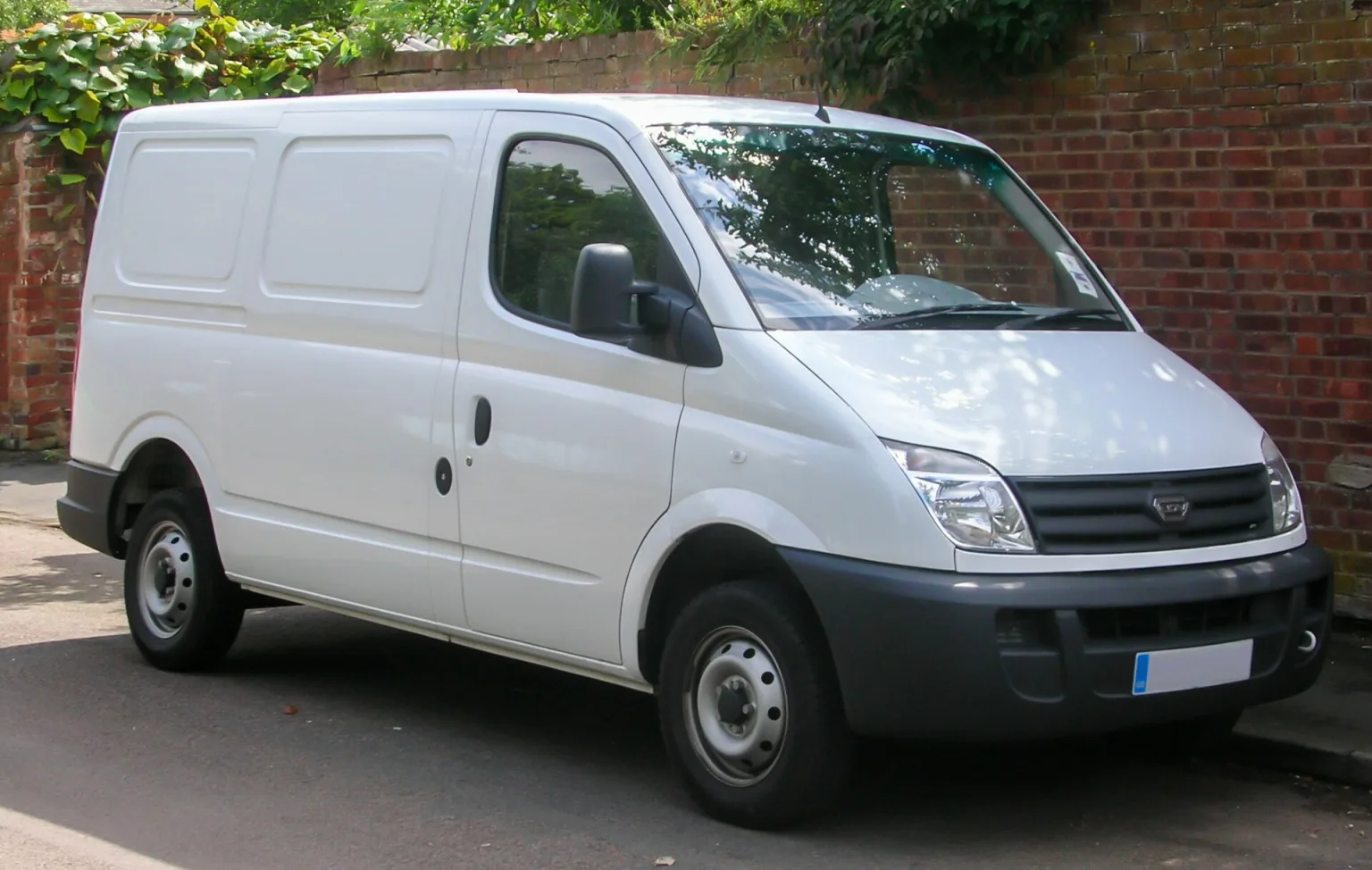
Over the first eight months of 2026, new van registrations in the UK have risen by 4.0%, reflecting ongoing demand from businesses and fleet operators. This growth is seen as a positive indicator of economic activity, particularly in sectors such as delivery, construction, and service industries. The Society of Motor Manufacturers and Traders (SMMT) has reported that electric van uptake reached a record 16.3% share of new registrations in August 2026. This milestone demonstrates increasing interest in zero emission transport solutions among businesses looking to reduce their carbon footprint and operating costs.
Despite the record monthly figure, electric vans have accounted for only 11.0% of new van registrations over the year to date. This highlights the uneven pace of the transition, with many operators still facing challenges related to upfront costs, charging infrastructure, and vehicle range. The government and industry are closely monitoring these trends as they consider further measures to accelerate the shift to cleaner vehicles.
Challenges in the HGV Sector
The situation is more complex in the HGV market. Registrations of new heavy goods vehicles fell by 8.9% in the first half of 2026, suggesting some uncertainty or caution among logistics companies. Zero emission HGVs made up around 1% of the market in the second quarter of 2026, indicating that the transition to electric and other alternative fuel technologies is progressing more slowly for the heaviest vehicles. Barriers include higher purchase costs, limited vehicle availability, and the need for dedicated charging or refuelling infrastructure capable of supporting large fleets and long-distance operations.
Industry groups have raised concerns that without additional policy support and investment, the UK risks missing its targets for decarbonising road freight. They point to the need for a clear roadmap and incentives that address the specific challenges faced by HGV operators, such as the development of public charging networks suitable for large vehicles and support for depot-based charging solutions.
Government Support and Industry Calls for Action
The government has introduced several initiatives to support the transition to zero emission vans and HGVs. Key measures include the Zero Emission HGV and Infrastructure Demonstrator (ZEHID), the Depot Charging Scheme, and plug-in vehicle grants for both vans and heavy vehicles. These programmes are designed to help overcome cost and infrastructure barriers, making it easier for businesses to adopt cleaner vehicles.
However, industry voices are calling for further commitments during the conference season. Stakeholders argue that while current schemes are a step in the right direction, more targeted investment and regulatory clarity will be needed to maintain momentum. Areas of focus include expanding charging infrastructure, supporting the development of new zero emission HGV models, and ensuring that incentives keep pace with the growing demand for electric vehicles.
The Road Ahead for Commercial Vehicles
As the conference season unfolds, the commercial vehicle sector remains at the centre of discussions about the UK's economic recovery and environmental ambitions. The latest registration figures show that progress is being made, especially in the van market, but significant challenges remain for HGVs. The outcome of political debates and potential policy announcements in the coming weeks will be closely watched by industry participants, who are keen to see further support for the transition to zero emission vehicles. The sector's ability to innovate and adapt will play a crucial role in shaping the UK's transport future.