Verizon Launches Connected Car Service for Older Vehicles
Verizon Vehicle, announced at the 2015 Detroit auto show, brings connected-car features to US vehicles dating back to 1996 through a $15 monthly subscription.
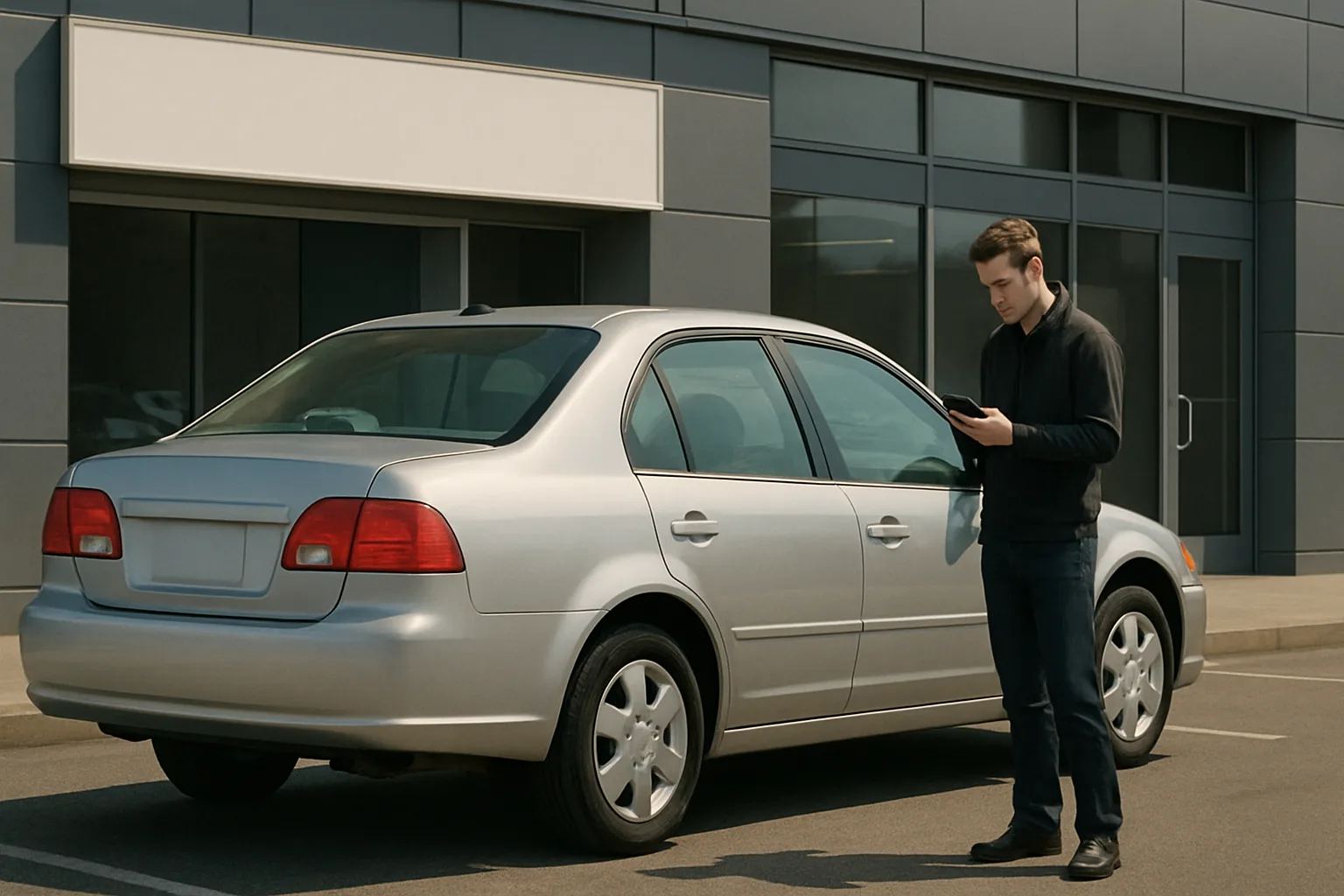
Verizon Communications introduced its Verizon Vehicle service at the 2015 North American International Auto Show, aiming to bring connected-car functionality to older vehicles in the US. The subscription-based product, set for launch in the second quarter of 2015, targets cars dating back as far as model year 1996. This move is intended to address the large number of vehicles on the road that lack modern connectivity features, which are increasingly common in new cars.
Bringing Connectivity to Older Cars
While automakers and technology providers have begun to envision a future where vehicles communicate with each other and the surrounding infrastructure, there remains a significant gap for the hundreds of millions of vehicles already in use that do not have built-in wireless connectivity. According to Verizon, there are approximately 200 million such vehicles in the US alone. This market represents a substantial opportunity for companies offering aftermarket solutions.
How Verizon Vehicle Works
The Verizon Vehicle system is based on a device that plugs into a car’s OBD-II port, which has been standard on most vehicles sold in the US since 1996. Once connected, the device communicates with a smartphone app and a dedicated call centre. This setup allows drivers to access a range of services, including:
- Breakdown assistance
- Stolen vehicle location
- Alerts for mechanical problems
- Notifications for required maintenance
If the system detects a fault code or predicts that maintenance is needed, the driver receives a notification through the app. In the event of a breakdown or other urgent problem, live support is available via the call centre. The service is designed to be compatible with most cars and light trucks sold in the US from 1996 onwards, thanks to the widespread adoption of the OBD-II port.
Subscription and Availability
The monthly fee for Verizon Vehicle is $15, and the service is available through a subscription model. At launch, Verizon is marketing the product directly to consumers, rather than partnering with carmakers or dealerships. This approach allows individual motorists to access connected-car features regardless of their vehicle’s age or manufacturer.
The company’s telematics division, led by Erik Goldman, views the new product as a way to offer modern connectivity and safety features to owners of older vehicles. Many of these owners are keeping their cars for longer periods than in previous decades, making the ability to add new technology particularly appealing.
Market Context and Competition
Verizon Vehicle enters a market where some automakers, such as General Motors, have offered telematics services like OnStar for years. However, these services are typically limited to new or relatively recent models. Aftermarket devices from other providers are available, but Verizon's extensive wireless network and brand recognition could help it compete for a significant share of the retrofit market.
The introduction of Verizon Vehicle reflects a growing trend among technology firms to provide connected services not just for new vehicles, but also for the vast existing fleet on the road. This approach aims to bridge the gap between older and newer cars, allowing more drivers to benefit from features like diagnostics, emergency support, and maintenance alerts.
Initial Focus and Future Prospects
At launch, Verizon has not announced plans to expand the service outside the US or to target commercial fleets. The initial focus remains on individual US motorists who want the advantages of a connected car without the expense of purchasing a new vehicle. As the market for connected services continues to grow, it is possible that Verizon and other providers will look to broaden their offerings in the future.
Verizon Vehicle represents an effort to make connected-car technology accessible to a wider audience. By targeting the large population of older vehicles, Verizon is positioning itself to meet the needs of drivers who are interested in safety, convenience, and staying informed about their vehicle’s condition, even if their car was built long before the era of the connected car.