Jaguar F-Type Project 7 Visits Jay Leno’s Garage
Jay Leno welcomes the rare and powerful Jaguar F-Type Project 7 to his garage, exploring its D-Type-inspired design and 575hp supercharged V8.
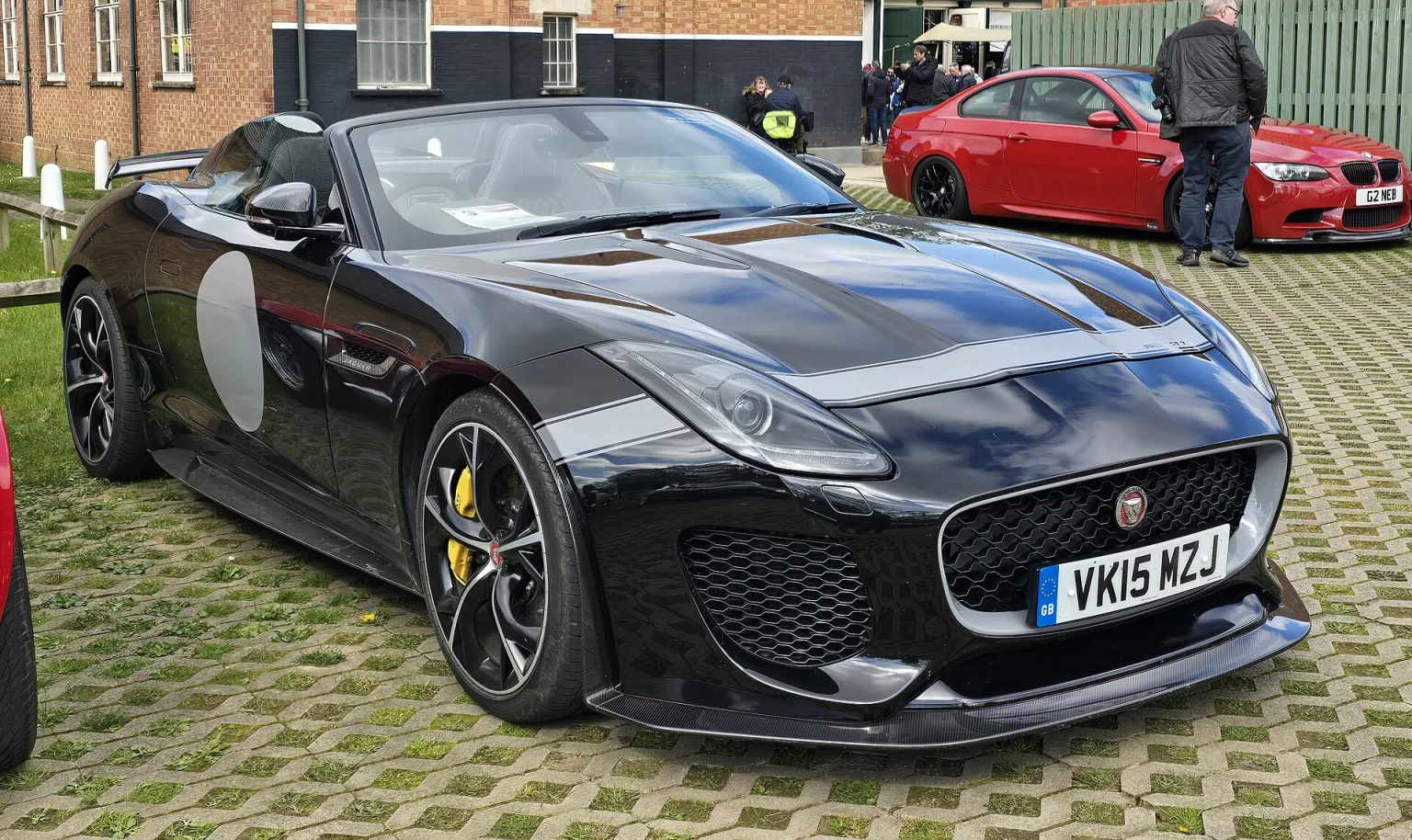
Jay Leno’s Garage has hosted some of the world’s most exclusive cars, but the arrival of the Jaguar F-Type Project 7 in October 2013 put a spotlight on one of Jaguar’s rarest and most powerful modern sports cars. Leno drove both the standard F-Type V8 S and the Project 7, a one-off speedster prototype at the time, with design led by Ian Callum and clear inspiration from the D-Type racers of the 1950s.
D-Type heritage meets modern performance
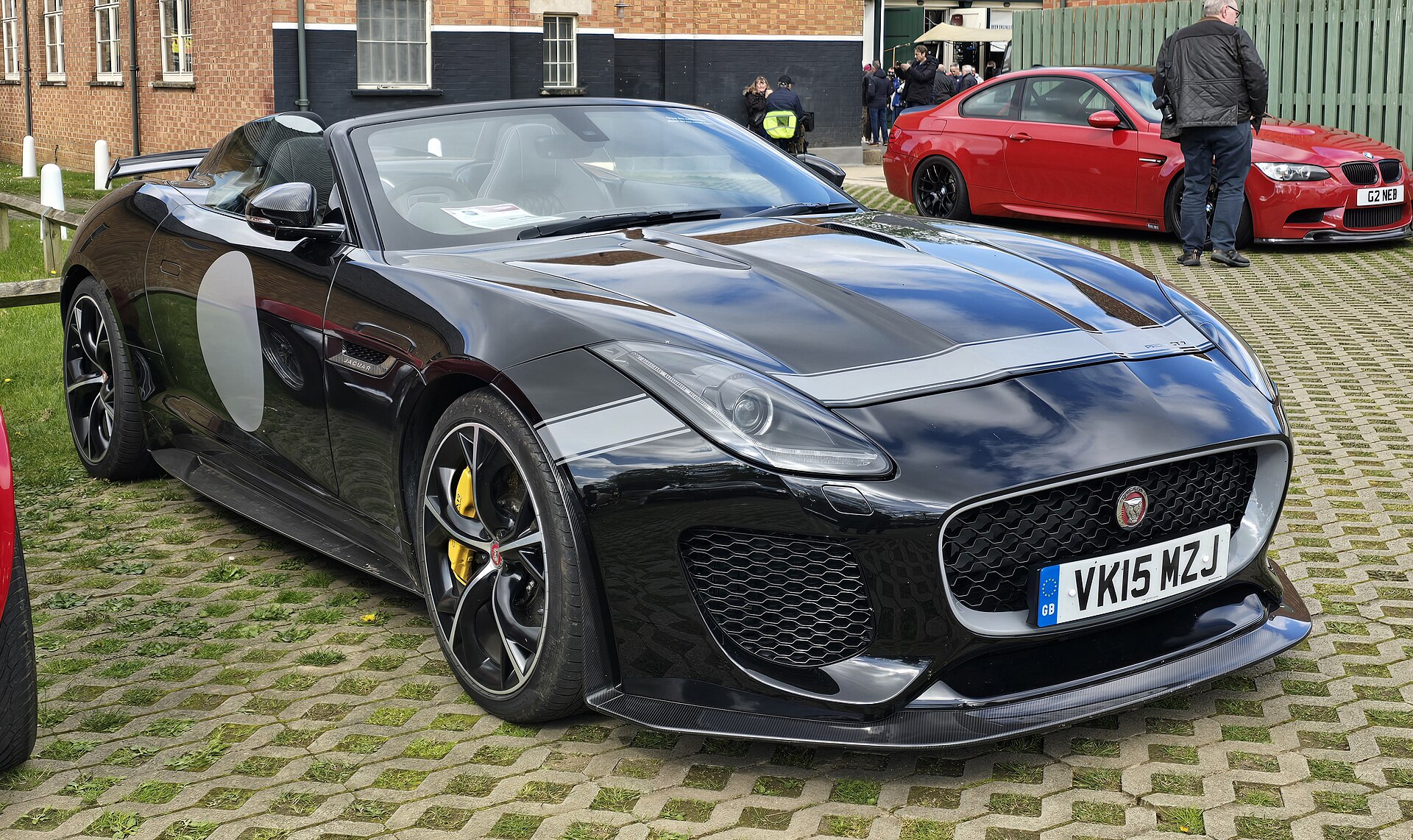
The Project 7’s styling is a direct homage to the Jaguar D-Type, evident in the single-seat speedster layout, low windscreen, and prominent rear fairing behind the driver. Jaguar removed the convertible roof and its mechanism, creating a pure, open-top experience. The car features a carbon fibre front splitter, side skirts, larger rear diffuser, fixed rear spoiler set at 14 degrees, bonnet vents, and carbon-accented 20-inch forged alloy wheels. The livery and overall stance channel the spirit of Jaguar’s Le Mans-winning heritage.
Under the bonnet, the Project 7 uses a 5.0-litre supercharged V8, tuned to deliver 575hp and 501lb-ft of torque. This is a step up from the already potent F-Type V8 S, with the extra power coming from revised engine mapping and increased boost. Acceleration is ferocious: 0-60mph in 3.8 seconds and a top speed electronically limited to 186mph. The exhaust note is as distinctive as the styling, with a thunderous soundtrack that defines the car’s character.
Technical changes and limited production
Jaguar’s Special Vehicle Operations (SVO) team made further technical changes for the Project 7. The suspension was revised with 80 percent stiffer front springs and unique front knuckles for sharper handling. The car sits lower and features more aggressive alignment for track use. Carbon ceramic brakes and torque vectoring by braking come as standard, helping to rein in the car’s considerable power. Despite the focus on performance, the Project 7 retains a comfortable ride for road use.
- Carbon fibre aerodynamic kit and fixed rear spoiler
- Torque vectoring by braking and electronic active differential
- Standard carbon ceramic brakes
Jaguar built just 250 examples of the Project 7 for global sale, making it one of the rarest F-Types. The car shown to Leno was the original prototype; production versions were unveiled at the 2014 Goodwood Festival of Speed. The Project 7 stands as the first project from Jaguar’s SVO division, setting the tone for future limited-run, high-performance models.
Project 7’s place in Jaguar history
The Project 7’s name references Jaguar’s seven Le Mans victories, and its design pays tribute to the D-Type’s racing success. For collectors and enthusiasts, the car’s rarity and clear lineage make it a sought-after addition. Its combination of raw performance, distinctive styling and historical nods ensures the Project 7 remains a standout among modern Jaguars.