Toyota ends Australian car production after 54 years
The final Camry rolled off the Altona line in October 2017, closing a chapter on local manufacturing and marking the loss of thousands of jobs as Toyota shifts to a sales and engineering focus.
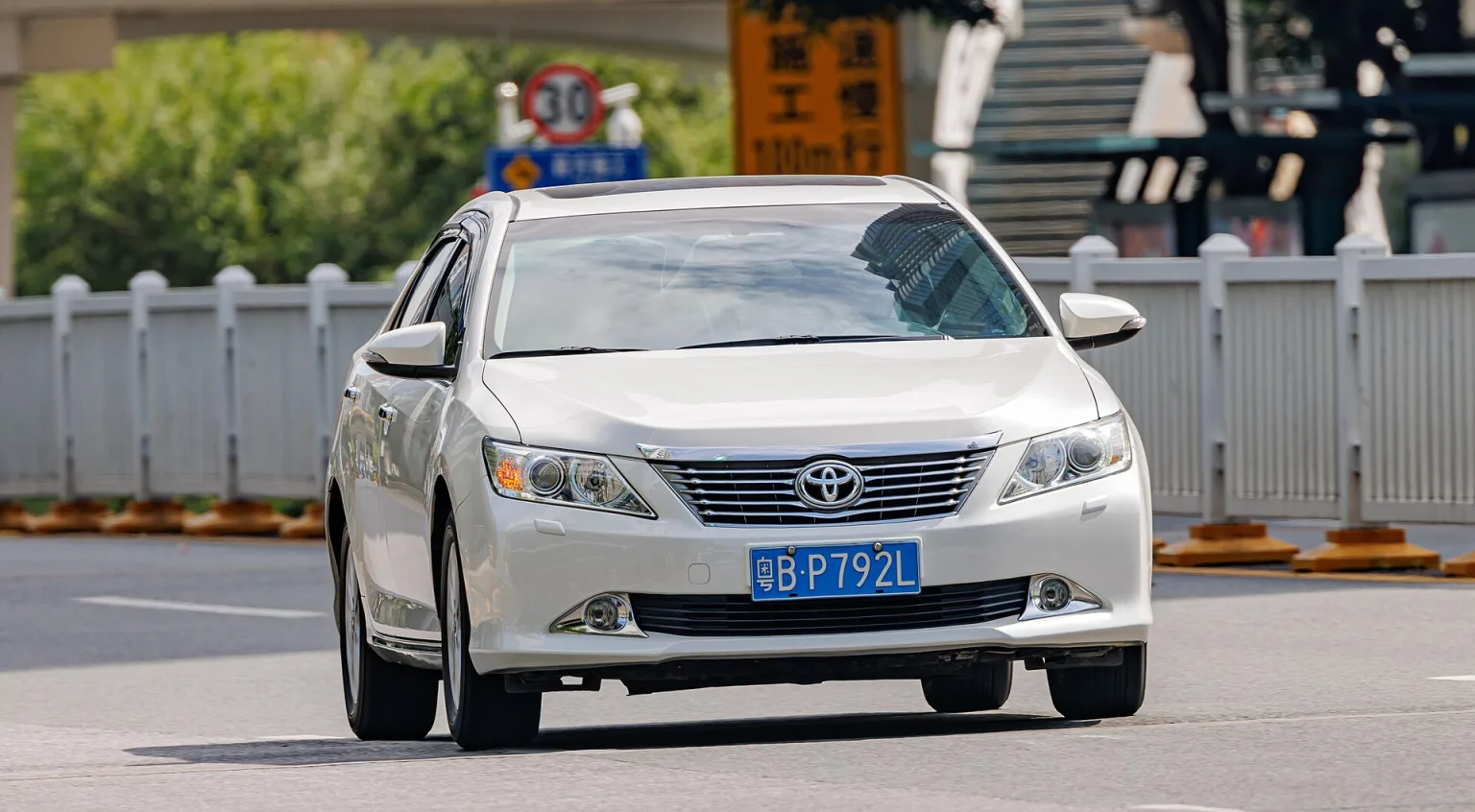
Toyota built its final car in Australia on 3 October 2017, ending 54 years of local manufacturing as the last Camry hybrid left the Altona plant in Melbourne. The closure brought to an end a production run that saw more than 3.45 million vehicles assembled locally, including the Camry, Corolla, Aurion, and several models rebadged for Holden.
The decision to halt manufacturing had been announced in 2014, following years of financial losses, a strong Australian dollar, and the challenge of low economies of scale. Toyota cited high production costs and intense global competition as key reasons. In the decade before closure, Toyota lost nearly $1.6 billion in Australia, despite government support approaching $1.1 billion. The end of manufacturing followed similar moves by Ford and Holden, effectively closing the chapter on large-scale car production in Australia.
Impact on workers and suppliers
About 2,600 Toyota employees lost their jobs as a result of the closure, with the wider supply chain and local businesses also affected. At its peak, Toyota’s Australian operations employed nearly 4,000 people. The company implemented a transition programme, providing career advice, skills training, and job fairs to help workers find new employment. Support for former employees is set to continue until at least mid-2018.
The last car, an Altona-built Camry hybrid, was driven off the line by rally driver Neal Bates, marking the end of an era. The final vehicle was decorated with Australian imagery, underscoring the plant’s historic role since the first locally assembled Toyota Tiara in 1963. Over the decades, the site produced vehicles not just for Australia, but also for export markets including the Middle East and Southeast Asia.
Altona’s new role and Toyota’s future in Australia
While manufacturing ended, Toyota retained much of the Altona site, converting it into a Centre of Excellence for training, engineering, and product development. Around 150 engineers and designers remain, supporting both local operations and global projects. Toyota’s Australian head office remains in Port Melbourne, but all sales and marketing functions shifted from Sydney to Melbourne from 2018, consolidating operations as the company became a national sales and distribution business.
- Altona plant to focus on training and engineering.
- Centre of Excellence to support Toyota’s global R&D.
- Sales and marketing consolidated in Melbourne.
To support the local community after the closure, Toyota established the Toyota Community Foundation Australia with an initial fund of AUD 32 million. The foundation’s first focus is on educational support for disadvantaged students in western Melbourne, aiming to help young people continue their studies and careers.
Production milestones and exports
From 1963 to 2017, Toyota produced 3,451,115 vehicles in Australia. The Camry accounted for more than 2.16 million units, followed by the Corolla and Aurion. Exports were a major part of the operation, with 1.34 million vehicles shipped overseas, particularly to the Middle East and Southeast Asia. The Altona plant also built engines and supplied rebadged models, such as the Apollo and Nova, to Holden during the 1980s and 1990s.
| Model | Units Produced |
|---|---|
| Camry | 2,168,104 |
| Corolla | 601,104 |
| Aurion | 184,180 |
| Corona | 336,197 |
| Crown | 46,690 |
| Tiara | 1,684 |
| Apollo | 40,287 |
| Nova | 28,128 |
| Avalon | 44,741 |
Toyota’s closure marked the end of mass-market car manufacturing in Australia, following similar exits by Ford and Holden. While the country retains a skilled automotive workforce and a presence in engineering and design, the era of local vehicle assembly is over.
For more on the end of Australian car manufacturing, seeFord to End Australian Manufacturing by 2016 Amid Falling Sales