Volkswagen Golf Retains Top Spot as Europe’s Best-Seller in 2011
Volkswagen’s Golf led European car sales in 2011 with 484,547 units, outselling rivals including the Polo, Ford Fiesta, and Opel/Vauxhall Corsa despite an overall dip in the company’s sales.
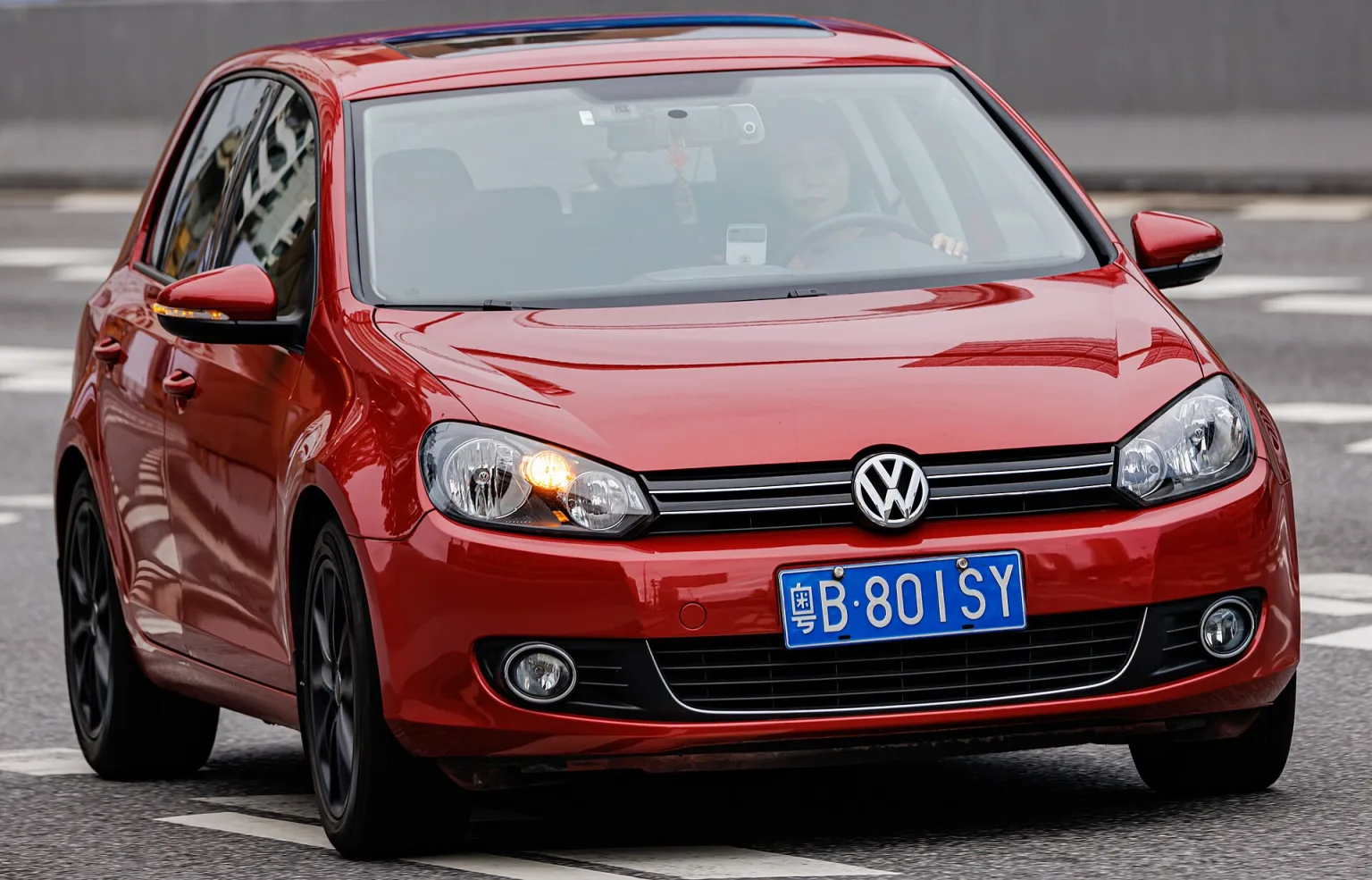
Volkswagen maintained its leading position in the European passenger car market during 2011, with the Golf once again securing its place as the continent’s most popular model. According to figures released by Volkswagen, the Golf achieved 484,547 sales across Europe during the year. This performance ensured that the Golf outpaced both internal rivals from the Volkswagen Group and strong competitors from other manufacturers.
Volkswagen Golf Remains Europe’s Best-Selling Car in 2011
Sales Figures: Golf Leads a Competitive Field
Despite a two percent decline in Volkswagen’s overall European sales compared to the previous year, the Golf’s margin over its nearest rivals remained significant. The closest challenger was the Volkswagen Polo, which finished the year with 356,490 units sold. The Ford Fiesta followed closely behind, recording 348,465 sales. Opel/Vauxhall’s Corsa was next, with 313,325 units sold, and the Renault Clio completed the top five with 294,172 units.
| Model | Units Sold |
|---|---|
| Volkswagen Golf | 484,547 |
| Volkswagen Polo | 356,490 |
| Ford Fiesta | 348,465 |
| Opel/Vauxhall Corsa | 313,325 |
| Renault Clio | 294,172 |
The Golf’s continued dominance highlights its broad appeal to European buyers. Its success is underpinned by a wide range of body styles and trim levels, as well as a variety of petrol, diesel, and performance-oriented variants. The Polo’s strong showing further demonstrates Volkswagen’s strength in the small car segment. Meanwhile, the Ford Fiesta and Opel/Vauxhall Corsa remain strong contenders, but neither managed to close the gap to the Golf in 2011. The Renault Clio also maintained a solid presence among the continent’s favourites.
Volkswagen’s Market Position and Strategy
Volkswagen’s ability to place two models, the Golf and the Polo, at the top of the European sales charts reflects the brand’s extensive reach and effective product strategy. The company has consistently invested in updating its models and offering a wide range of options to suit different customer preferences. This approach has helped Volkswagen maintain its reputation for quality and reliability, which continues to attract buyers even as the broader market faces economic challenges.
The supermini segment, represented by models like the Polo, Fiesta, Corsa, and Clio, remains a stronghold in Europe. These compact cars are particularly popular for their efficiency, affordability, and suitability for urban driving. The Golf, sitting just above these models in size and price, benefits from offering greater versatility while retaining much of the practicality that European drivers seek.
New Golf Mk7 Set for Paris Debut
Volkswagen’s sales success in 2011 came just ahead of a significant model update. The next-generation Golf, known as the Mk7, was scheduled for its public unveiling at the 2012 Paris Motor Show. This new model was set to be built on Volkswagen’s MQB (Modularer Querbaukasten) platform, which had recently debuted on the Cross Coupe Concept. The MQB platform was designed to provide improvements in weight reduction, efficiency, and technological sophistication across a range of Volkswagen Group vehicles.
The Golf Mk7 was expected to continue offering a wide selection of engines, including efficient petrol and diesel units. Performance-oriented versions such as the GTI and R were also anticipated, along with the eco-friendly BlueMotion variant. These options were likely to help the Golf maintain its broad market reach and reinforce its appeal to a diverse customer base.
Looking Ahead: Implications for Volkswagen and Rivals
Volkswagen’s dominance in 2011 reinforced its status as Europe’s leading car brand, even as the wider market faced economic uncertainty and increased competition. The Golf’s strong sales, combined with the upcoming launch of the Mk7, positioned Volkswagen well for the future. For rival manufacturers, the challenge remained to close the gap to the Golf and to adapt to evolving customer preferences, particularly in the highly competitive compact and supermini segments.
As the automotive industry continued to evolve, the introduction of new technologies and more efficient vehicles was likely to shape the sales landscape in the years ahead. Volkswagen’s investment in platforms like MQB and its commitment to offering a variety of models and powertrains suggested that the brand was preparing to meet these challenges head-on. The Golf’s enduring popularity in 2011 was a clear indicator of the model’s established reputation and the effectiveness of Volkswagen’s approach in the European market.