Volkswagen eyes Indonesian assembly plant as part of Southeast Asia strategy
Volkswagen is preparing to invest in a new assembly facility in Indonesia, with plans potentially tied to the country’s green car incentives and eco-friendly vehicle production.
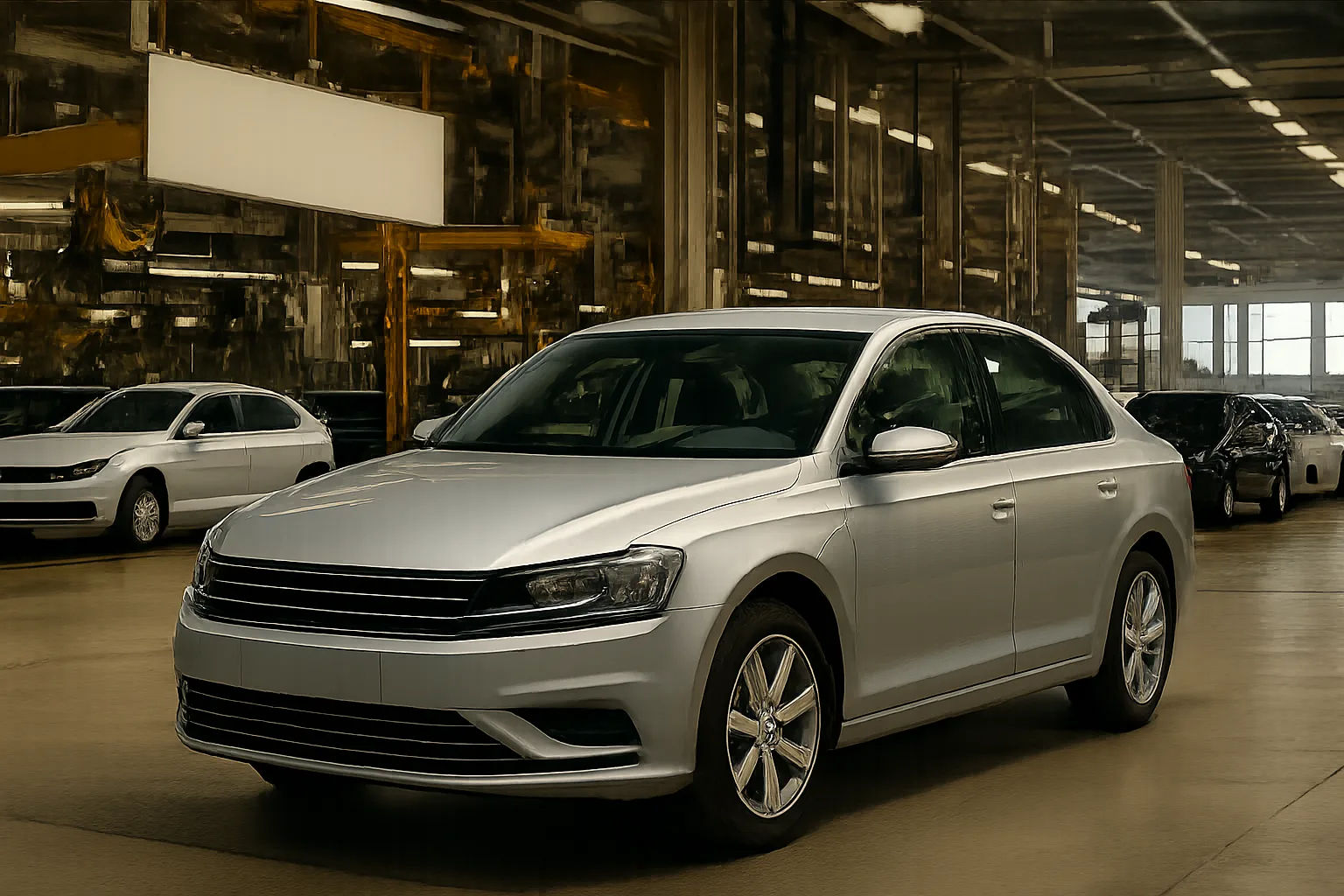
Volkswagen is preparing to invest in Indonesia by building an assembly plant, aiming to strengthen its position in Southeast Asia’s second-largest automotive market. The plan was confirmed by Indonesia’s Industry Minister MS Hidayat in August 2013, as the German manufacturer sought to expand its regional footprint.
According to Minister Hidayat, Volkswagen had already conducted market research on Indonesia, including competitor analysis and pricing strategies. The company’s top executives were due to visit Jakarta later that week to announce further details, but at the time, the investment figure and plant specifics were not made public.
The move came as Indonesia pushed for more local production of eco-friendly vehicles, following a government regulation introduced in May 2013. The regulation offered substantial tax reductions for manufacturers producing so-called “low carbon emission cars”, which included hybrids, electric vehicles, advanced diesel and petrol engines, and vehicles running on biofuel or gas.
Indonesia’s green car incentives
The Indonesian government’s green car programme provided a 25% sales tax reduction for vehicles achieving between 20 and 28 kilometres per litre, and a 50% reduction for those exceeding 28 kilometres per litre. Volkswagen’s interest in the scheme suggested the company was considering local production of hybrid or other eco-friendly models to benefit from these incentives.
No official statement from Volkswagen gave a timeline for plant construction or the specific models to be produced. However, the company’s willingness to engage with the Indonesian government’s eco-car programme indicated a longer-term strategy to compete in a market where rivals such as Toyota and Honda already had a strong presence and local manufacturing operations.
Volkswagen’s regional ambitions
For Indonesia, the arrival of Volkswagen’s assembly operations promised potential benefits for local suppliers, job creation, and technology transfer. For Volkswagen, local production would allow the company to price its vehicles more competitively by taking advantage of tax incentives and reduced import duties.
Details awaited on plant and models
At the time of the announcement, Minister Hidayat said further information would be released after Volkswagen’s executive visit to Jakarta. No confirmation was given on whether the plant would produce existing models adapted for Indonesia or new vehicles designed specifically for the region’s eco-car requirements.
Volkswagen’s Indonesian investment was part of a broader trend among global manufacturers seeking growth in Southeast Asia. The outcome of the plan depended on the company’s ability to meet local market needs and navigate the regulatory environment around green vehicles.