Volkswagen’s US Sales Slump Prompts Strategic Shift
Volkswagen’s US deliveries dropped by over 70,000 units in 2014, pushing the company to rethink its American line-up and production plans.
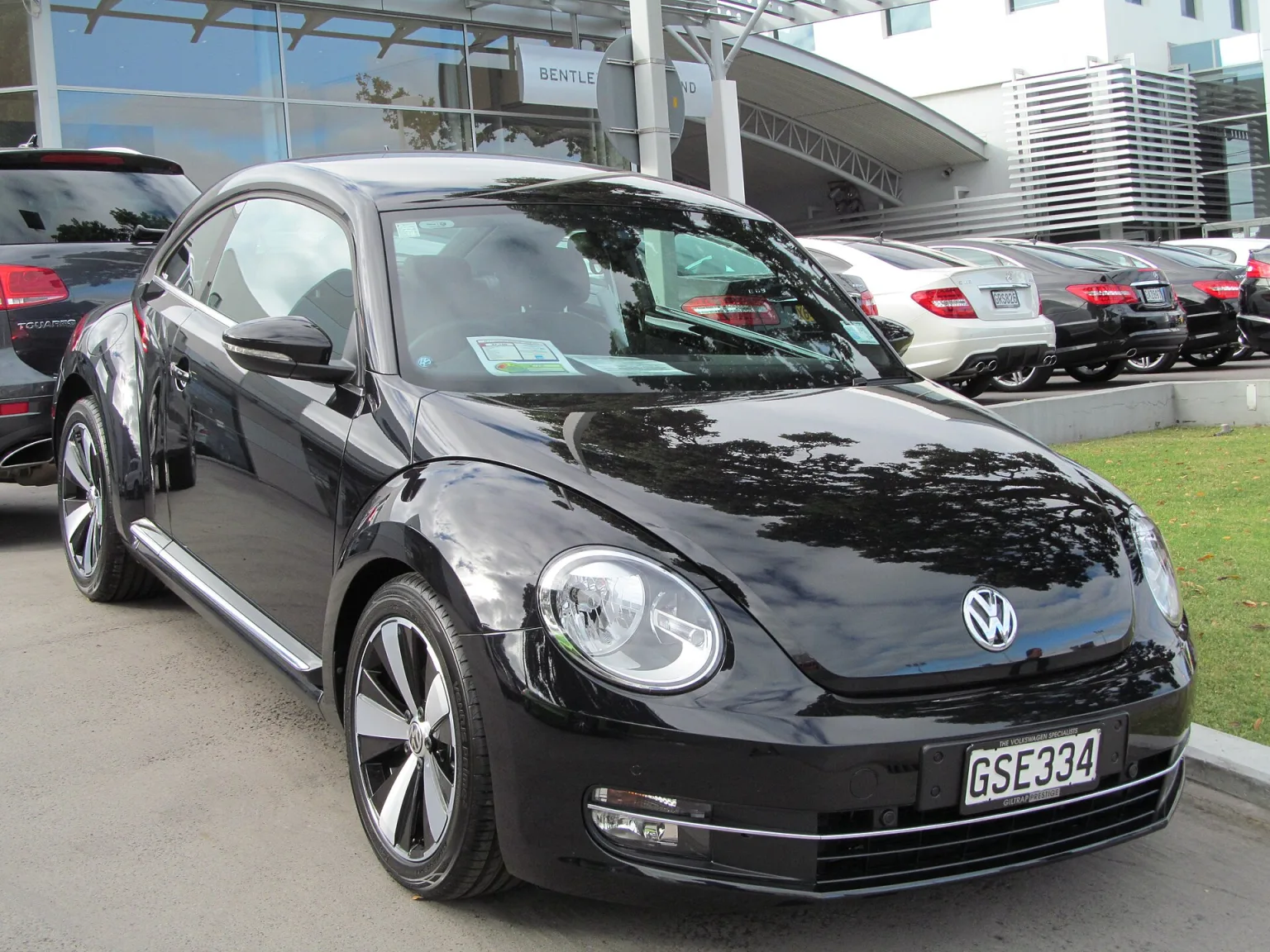
Volkswagen’s namesake brand saw its US sales fall from 438,134 units in 2012 to 366,970 in 2014, a decline that stood out as the wider American car market posted its fifth consecutive year of growth. The drop, which came despite Volkswagen Group’s global push to surpass Toyota as the world’s largest carmaker, has forced the German manufacturer to reconsider its approach in the United States.
The US remains a difficult market for Volkswagen, even as other group brands such as Audi have gained ground. Audi’s American sales surged in 2014, overtaking Cadillac to become the country’s fourth best-selling luxury marque. By contrast, Volkswagen’s core brand has struggled to keep pace with consumer preferences, particularly in the SUV segment.
SUV gap and product plans
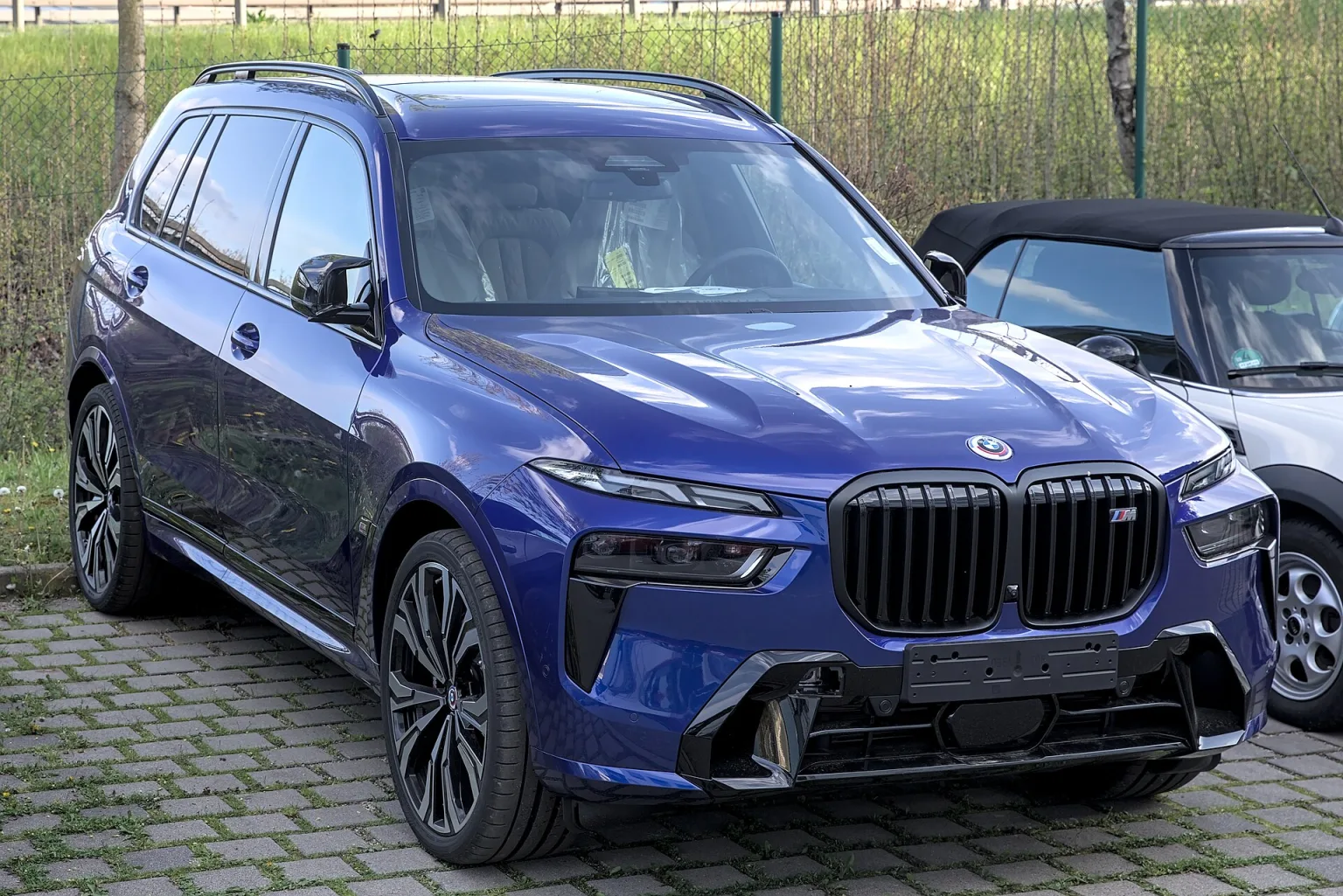
Volkswagen’s US line-up has been thin on larger SUVs, a segment that has fuelled much of the market’s recent growth. The company’s existing Tiguan and Touareg models have failed to make a major impact against American and Japanese rivals. In response, Volkswagen is preparing to launch a new seven-seat SUV from its Chattanooga, Tennessee plant, with production scheduled to begin in late 2016. The next-generation Tiguan will also be made larger for US tastes, and a new compact crossover based on the Golf is in development, drawing inspiration from the T-Roc concept. This expansion is intended to address the brand’s lack of presence in key SUV segments.
These moves form part of a broader strategy to achieve long-term, sustainable growth in the US. Volkswagen expects its MQB modular platform to underpin a wider range of models, increasing economies of scale. The company forecasts that vehicles built on MQB will rise from two million units in 2014 to seven million by 2018, helping to control costs across the group.
Wider group context
While Volkswagen’s global ambitions remain intact, the US performance has become a recurring concern for group executives. The contrast with Audi’s American momentum highlights the challenge: Volkswagen’s mainstream models have failed to match the appeal of Japanese, Korean and domestic rivals in the world’s second-largest car market. The group’s board has signalled that regaining US momentum is a priority, not only for sales but for Volkswagen’s global credibility.