Volvo XC40 Leads Brand’s Push Into Premium Small Models
The XC40’s 2017 launch marked the start of Volvo’s strategy to expand its 40 Series with compact SUVs, hybrids and electrified models built on the new CMA platform.
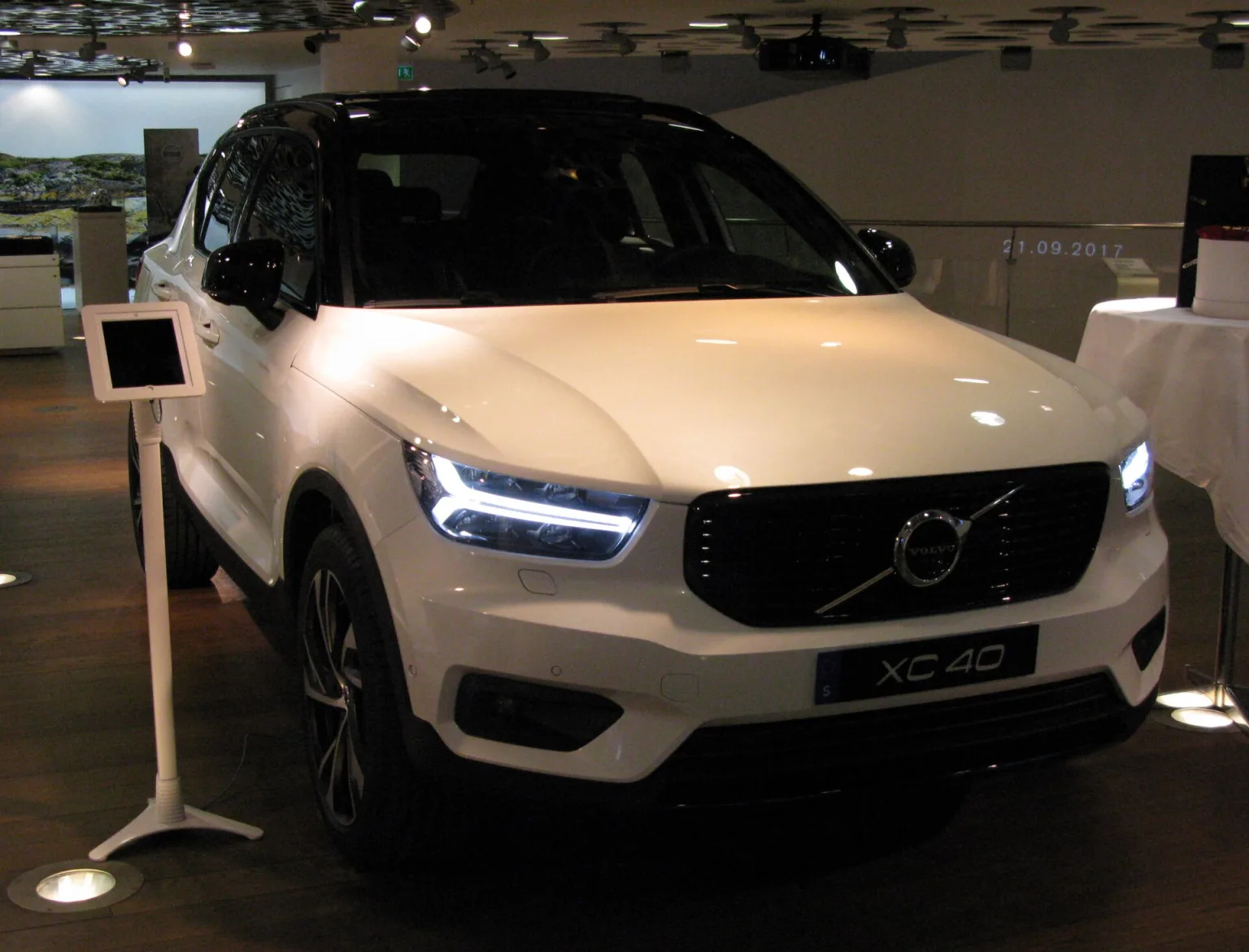
Volvo’s entry into the premium small SUV market began in earnest with the 2017 launch of the XC40. The model introduced the Swedish brand’s Compact Modular Architecture (CMA), a platform designed to underpin a new generation of smaller, more flexible vehicles. Positioned beneath the XC60 and XC90, the XC40 was Volvo’s answer to the growing demand for compact crossovers and the first step in a broader plan to expand its 40 Series range.
A new platform for a new segment
The CMA platform was developed jointly with Volvo’s parent, Geely, to support a range of petrol, hybrid and fully electric models. At launch, the XC40 was offered with 2.0-litre four-cylinder petrol and diesel engines, both mated to an eight-speed automatic gearbox and available with all-wheel drive. Volvo quickly added a 1.5-litre three-cylinder petrol engine in 2018, the first three-cylinder in the company’s history, with the architecture designed from the outset to accommodate plug-in hybrid and pure electric variants.
The flexibility of the CMA platform allowed Volvo to plan an entire family of 40 Series cars, including not only the XC40 SUV but also the V40 hatchback and S40 saloon. The architecture’s ability to integrate hybrid and electric powertrains was central to Volvo’s electrification strategy, with the company targeting one million electrified vehicle sales globally by 2025. The XC40 was the first step, with plug-in hybrid and fully electric models following in subsequent years.
Design and urban focus
Volvo’s designers gave the XC40 a distinct character, borrowing cues from the larger XC90 and XC60 but with a more youthful and urban focus. The SUV introduced features such as a contrasting roof, a bold grille and the familiar Thor’s Hammer LED headlamps. Inside, the XC40 adopted the portrait-format touchscreen and digital instrument cluster from its larger siblings, but added practical touches for city use: deep door bins, a removable waste bin in the centre console and wireless phone charging.
Safety remained a priority. The XC40 came equipped with the full suite of Volvo driver assistance systems, including Pilot Assist, City Safety, Run-off Road protection and mitigation, Cross Traffic Alert with brake support and a 360-degree camera. These features were standard or widely available across the range, reflecting Volvo’s push to bring advanced safety to smaller, more affordable models.
Production and model expansion
Production of the XC40 was centred in Ghent, Belgium, with the plant also set up to build other 40 Series models. The decision supported Volvo’s aim to serve global markets efficiently, with the XC40 launched first in Europe and the US, and later in China. The model’s success prompted Volvo to consider further expansion of its small car range, and by 2019, CEO Håkan Samuelsson had not ruled out the possibility of sub-40-series models, particularly with electric powertrains in mind.
- XC40 SUV: launched 2017, petrol, diesel, hybrid and electric versions
- V40 hatchback: earlier 40 Series model, limited to certain markets
- S40 saloon: planned for CMA platform, not all markets
Refreshed for 2027 and beyond
The XC40’s popularity kept it in production for nearly a decade. A second major refresh was announced for the 2027 model year, bringing updated exterior styling, a larger infotainment screen, new safety systems and enhanced cabin materials. The changes mirrored updates to the XC60 and XC90, with Volvo aiming to keep the XC40 competitive as the market for compact premium SUVs continued to grow. Powertrain options remained broad, including conventional engines, plug-in hybrids and fully electric EX40 and EC40 variants for international markets.
The XC40’s launch and ongoing development marked a turning point for Volvo, moving the brand firmly into the premium small car segment and laying the groundwork for a family of compact, electrified models.